How doable is it to acquire perfect pitch by attributing all 12 pitches individual colors? Has anyone here done it?
1 Like
These don’t directly answer your question, but here are some related discussions that people might be interested in:
- Perfect Pitch and Memory
- Developing perfect pitch (forum log-in required)
- Method to develop the absolute ear?
- Using Mnemonics for perfect pitch?
- Trying to memorize musical notes - #3 by Josh
- Alexander Scriabin and Artificial Synesthesia
- Developing a Mnemonic System for Music
- Tone-Deafness Test and Microtonal Music
4 Likes
Very nice! Thank you tons!!
1 Like
I just noticed that some of the links in the Alexander Scriabin post were broken, so I updated it: Alexander Scriabin and Artificial Synesthesia
1 Like
Ive been trying to train “artificial synesthesia” since you posted these sources and it actually had worked! Im internalizing the color-note association (also using a text-colored font which i feel like has already permanently changed my perception) and I can say that im already seeing some serious results. Its a long way until perfect pitch but atleast I now know exactly how to get there
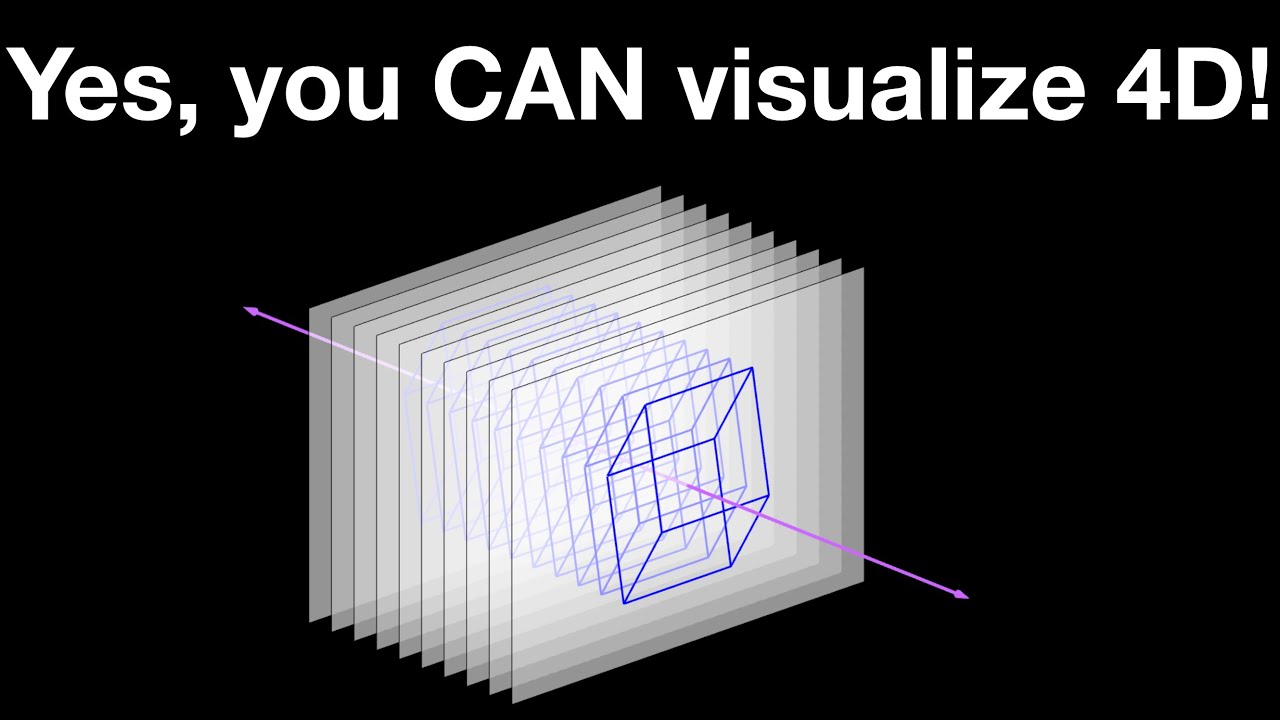
I have also been training my kinesthetic/visual perception by trying to visualize 4d spaces in my mind and its like my brain has leveled up. I found some neat sources on the net which I would gladly share
1 Like
there are some apps that help to develop it, you can search for them as perfect hearing.
2 Likes
I’d be interested.
I remember being in awe of a pre-verbal baby singing via gurgling.
The Italian Mom and her mom confirmed they sang to their baby a lot.
Joy and love and family.
I struggle to see many colors. My colors mostly come from real things I remember. Since I am old it is difficult to have affect with html colors. That changes now. And I will ignor those that have little love for color.
1 Like
It’s a really interesting approach! I learned pretty good absolute pitch through another method that makes it hard to experiment with new approaches because an association automatically pops up about the note.
It took a long time: there was a rapid improvement at the beginning, then the rate of improvement slowed down to almost static, until I stopped doing the training about a year ago.
Here’s a graph of my mean absolute error (in semitones) in each session over about a year of training. The worst possible error is 6 semitones, so it starts out around 3 semitones which is what you’d expect from someone with no sense of absolute pitch.
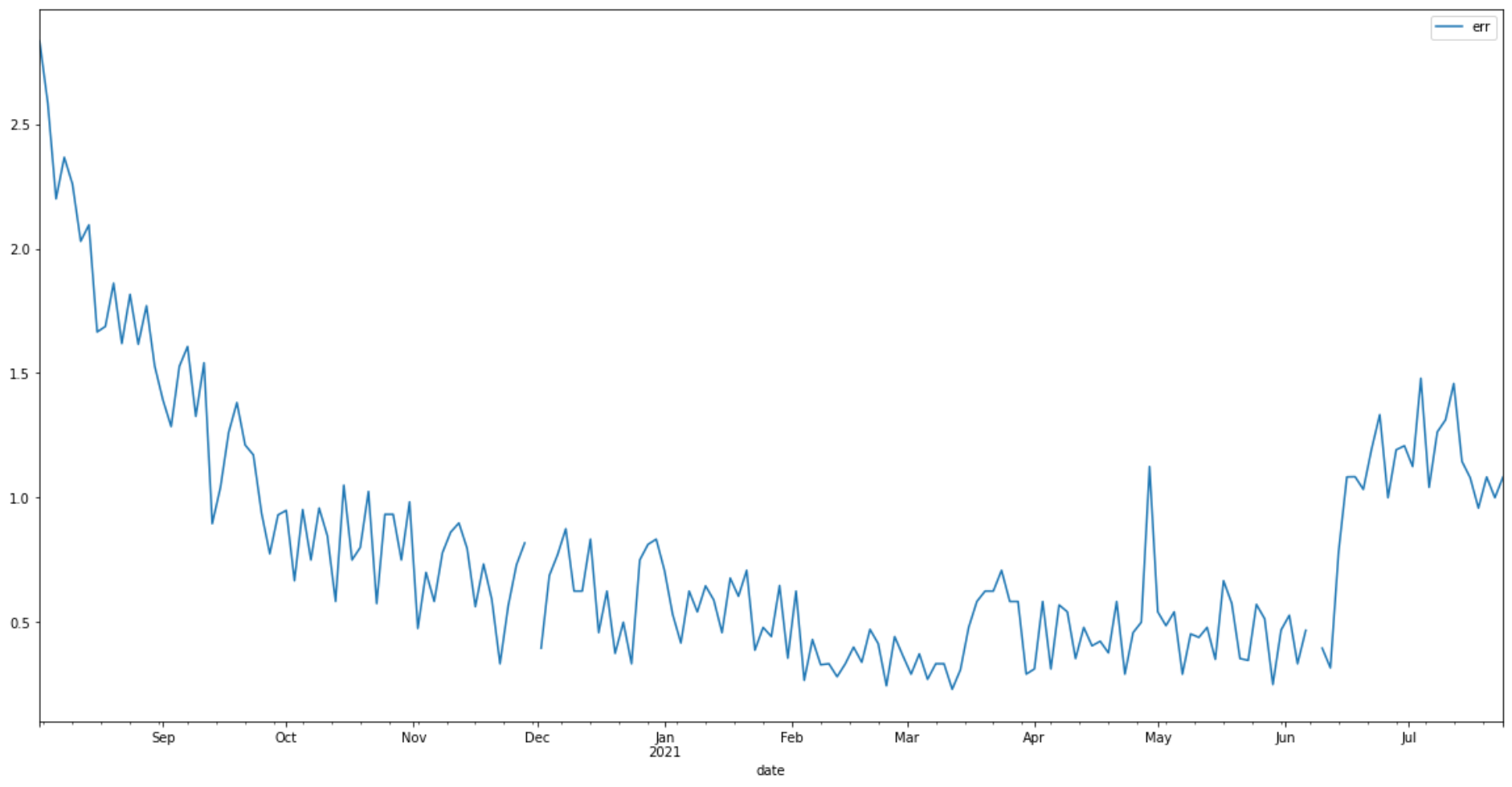
(The difficulty jumped up towards the end when I moved to a new level where you only hear the target note once, whereas beforehand it was repeated several times. After that it stabilised at around 0.5 semitones mean error)
That training method was part of a study into “Melody Triggers” as part of someone’s research doctorate.
Some research has been done by Van Hedger and others on training absolute pitch with pretty good results, over a shorter time-frame. They used a sort of quick-response gamified training program.
I also wrote a phone “game” to train absolute pitch in an incremental way, with time constraints to try to make it “automatic” so you don’t rely on relative pitch. Didn’t have much success on my test subjects though!
The colour association technique could be promising – there was research showing that reading text with some letters highlighted in a consistent colour (e.g. A is always pink, H is always green) caused synaesthesia effects when tested later. Perceptual learning is pretty powerful, so it’s worth exploring in a musical context.
2 Likes
Where can I get pdfs with colored letters?
1 Like
Send me a private message with links to a couple of books on gutenberg.org with an email address, and I’ll email you the output.