I’m after a general purpose method rather one specific to a certain data-type, but if you know something that’s fast but specific I’d love to hear about it too.
By low effort I mean minimum mental resources to encode something (creating images, finding rhymes, etc) and limited revision. I figure this comes with practice using the traditional methods as well, but if anyone knows a method that’s inherently lightweight, even if it’s for extremely small pieces of information, that’d be great.
Use case is small but specific pieces of info that need to sit in your head for a few minutes to a day. Eg: A measurement of wood you need to buy, the colour of a shirt, the brand of gin you’re fetching, the reason you got up from your desk and walked into the kitchen…
The chain association technique, which is quite simple and possibly already familiar to you, is an effective method to start memorizing data. It does not require the creation of “memory palaces” or a significant time investment for its learning, which makes it one of the most fundamental techniques of visual mnemonics. There are other techniques, such as the acronym, but personally, I do not consider them as useful as chain association or other similar techniques.
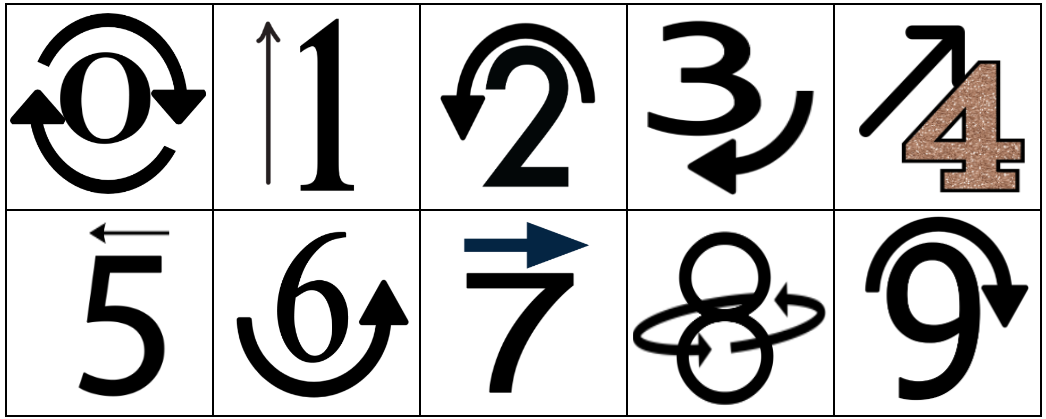
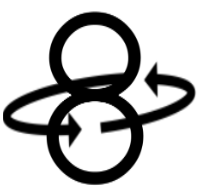
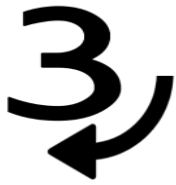
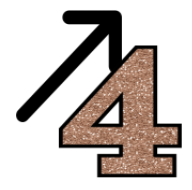
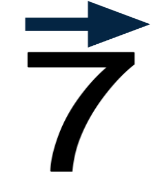
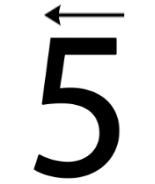
This below method is very specific but also very easy to learn and it can be used in combination with other number translation techniques; every number is a direction.
This is really cool. So if I’m getting you correctly, the idea here is to convert numbers to a sequence of directions or directions to a sequence of numbers, encoding whatever you wish to encode by the association?
Side note: I’m experimenting with an idea somewhat similar to this where one creates a memory journey shaped like the first letter of the category of things sitting along it. Interesting to see this kind of conversion elsewhere.
Yep, that makes it clear. A great breakdown, thank you.
A literal in place substitution. That’s interesting. I see what you mean. It also seems like the kind of thing you could get good at doing quickly with some practice.
I see. You essentially generate a narrative that defines/explains the thing you want to remember.
There is something about it that rings of that idea that it’s much easier to remember something you understand. This seems like generating an understanding based on an “alternate explanation” that anchors its form instead of a fundamental explanation that’s anchored by your understanding of it’s nature. Cool.