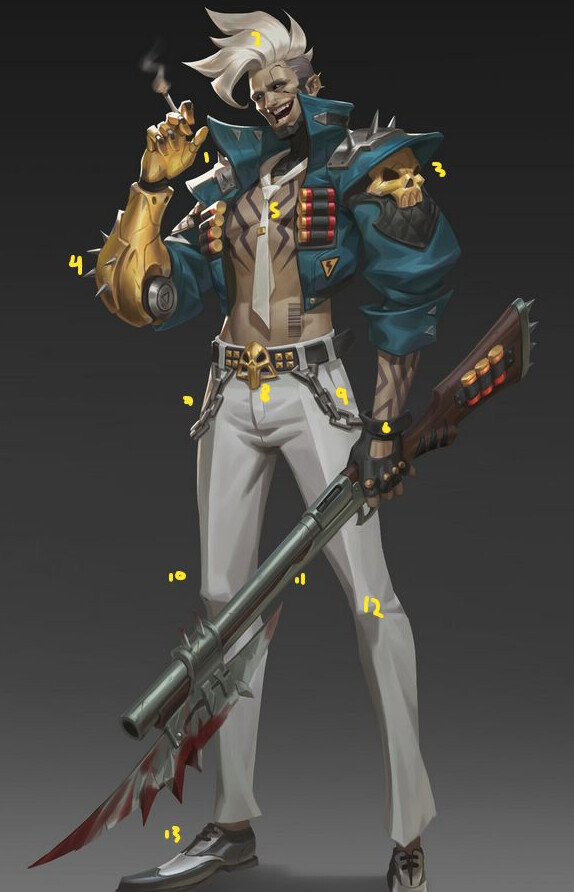
Background  :
:
Well, after searching as much as I could in the forum for ways or techniques to transform abstract concepts to images, I’ve found a lot of interesting advice which might suffice for most people, I’m sure. However, I couldn’t find no one doing it the way I do it (also, a lot of the advice is leaned toward competitions), so I decided to share my method and system in case it helps someone here, and also to know your mnemoist’s opinions.
First of all, my original inspiration was the great @LynneKelly’s book “Memory Craft”  , where she explains the effectiveness of using characters
  to visualize and memorize knowledge, the reasons it works so well and a lot of examples of indigenous cultures that used and still use this technique. I can’t recommend the book enough for anyone interested in those topics, I enjoyed every page of it and learned so much with it.
Anyway, she not only recommends the use of vivid and interesting characters to represent abstract concepts (and in general memory activities) but also proposes a culturally adequate name for them, “rapscallions”  . I believe it sounds very well in English but doesn’t seem very appropriate in Spanish, my mother tongue, so that’s the reason I’ll stick with “Characters”, although I strongly recommend to use the term “rapscallion” for anyone for whom it seems adequate.
Finally, a word of caution  , the current method I use is still in development, I have only few weeks using this iteration and it will likely evolve with my practice and, hopefully, with your thoughts and practice as well. I, however, have used similar methods in the past with success in a greater scale (like a Visual Dictionary made of colorful symbols, for which I collected and memorized hundreds of them) and this version seems to me to be a great improvement.
Visual Dictionary of Characters System  : (working name, hahaha, although I’m liking a lot “Pantheon of Forms” (alla Plato)… what do you think?)
Ok, so, the idea is actually very simple, to develop, gradually and with personal and with immediate functionally, a Visual Dictionary for abstract words or concepts. I think this can work with peg systems, linking/story method and, specially, memory palace (method of loci, etc.). It needs a little time for selecting and memorizing the character for any concept and, since the number of possible words used in competition is huge, I really don’t see a lot of use from it in memory sports, although it incidentally can help in the cases which a concept already coded as a character appears.
Some advantages of developing your Visual Dictionary/Pantheon  :
:
- It is, at least for me, a lot easier to remember images that include characters.
- The characters can easily be imagined performing actions, with objects or with other characters.
- The amount of time needed to codify a concept into a character, even if it’s bigger than the time it would take to codify it into an image made “on the fly”, is greatly surpassed by the time saved in the future, since it can be indefinitely reused in any number of new memory palaces.
- Your memory palaces (and your mind) will be filled with interesting, funny and beautiful characters! That in itself is a lot for me, since I enjoy seeing great illustrations/art, and part of this technique requires to look for them among a lot of great illustrations/paintings.
Some examples from my own Pantheon/Dictionary 


 :
:
My character for “dimension”:
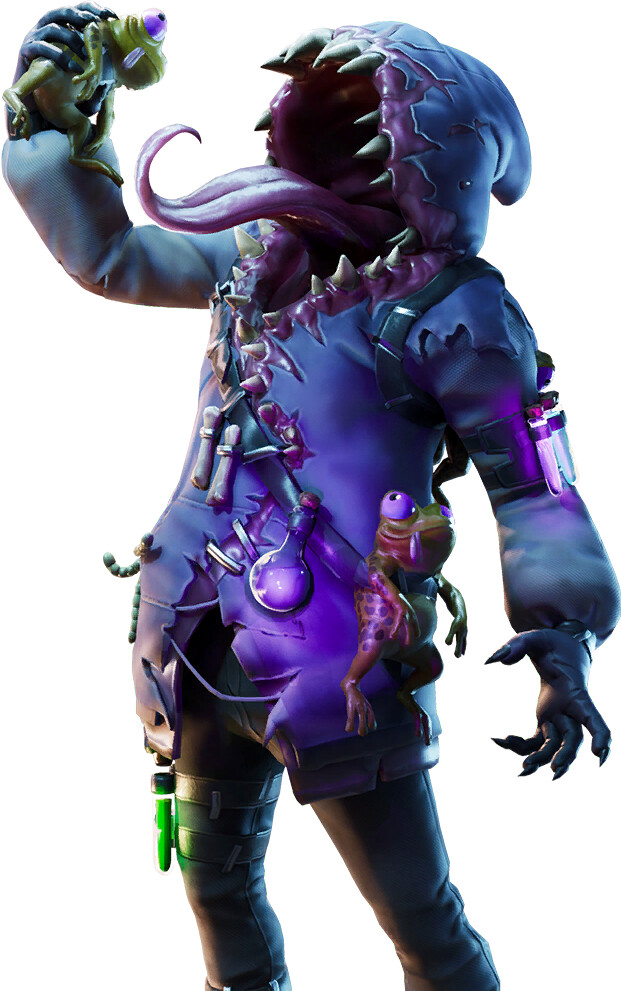
My character for “State”:

My character for “Myth”:
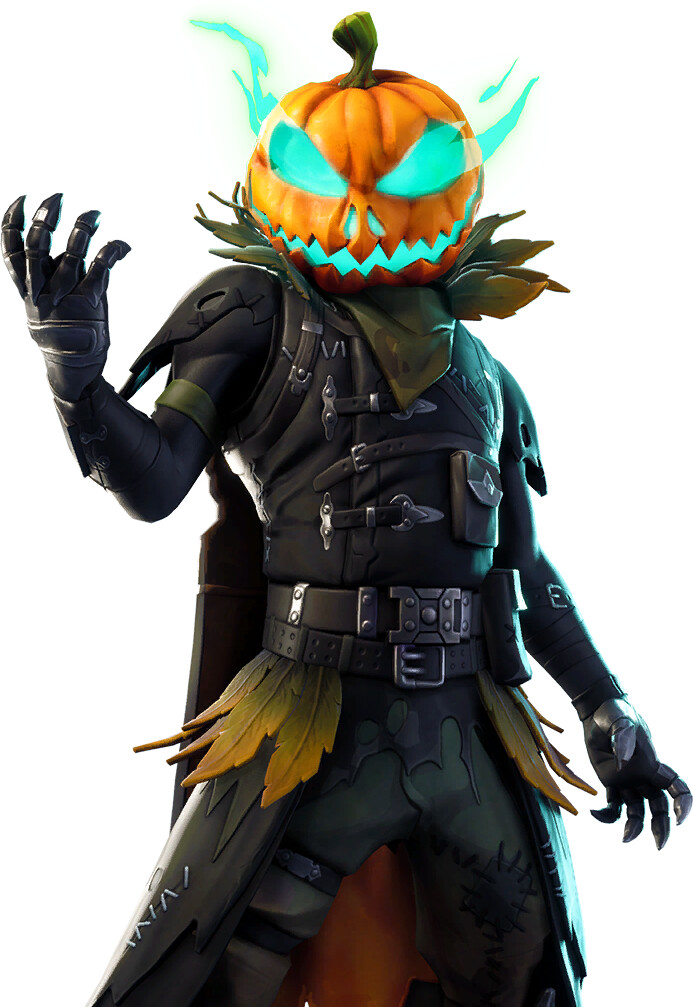
My character for “Democracy”:
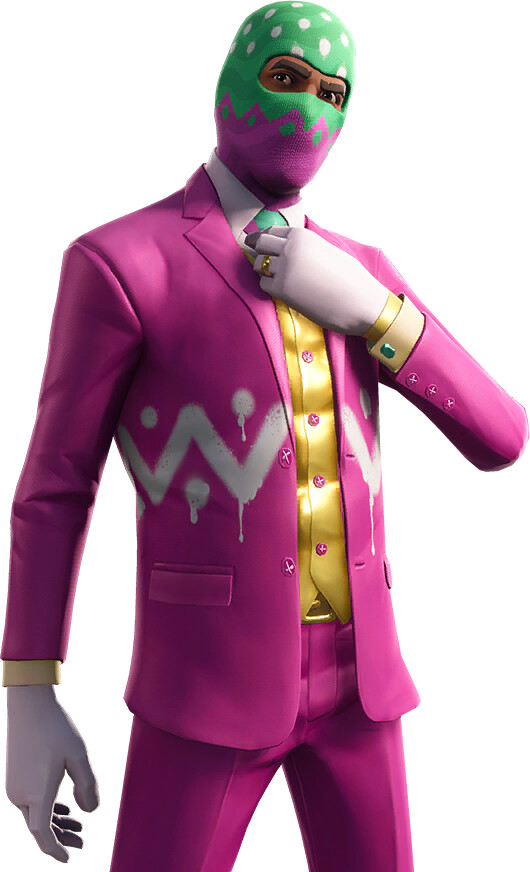
And just one more, my character for “Logic”:
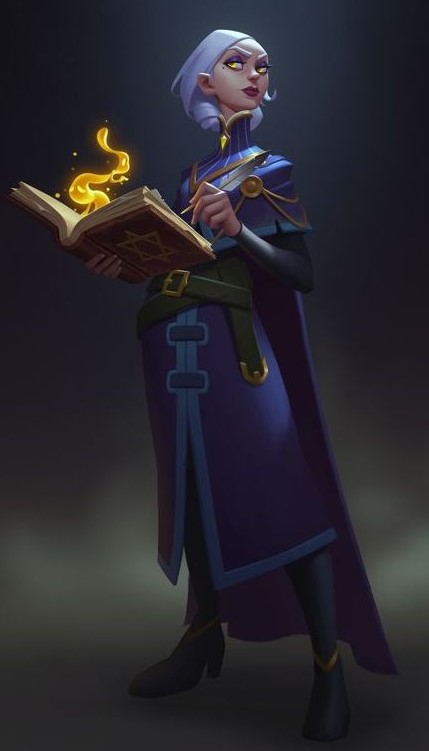
I currently have several dozens of characters, but hope to memorize hundreds and thousands over the years (I’m definitely switching from my prior dictionary of symbols, but in a few months I gathered and memorized more than five hundred of the, so it seems very doable). I use them with normal memory palaces and with a form of miniplaces from illustrations (similar to the ones presented, but with important differences) which I call Guardians (I’ll make a post describing it soon, so… stay tuned? Hahaha). Anyway, let’s go with the actual instructions.
How to create, memorize and maintain a Visual Dictionary/Pantheon of Characters  :
:
Ok, so, first things first. A character can represent anything you want, no matter the complexity  . For example, I have characters for “simple” concepts as the ones presented, but also have characters for complex concepts like “surplus value” or even “critical narration of the history of technology”. You decide what makes sense to transform into a character.
How can I decide which concepts to turn into Characters?
One criterion that works for me is: “How likely am I to store this concept in a memory palace again?” If the answer is “probably never”, I don’t take the extra effort  to make a character out of it, simply use some of the other great techniques shared in this site (“sounds like”, “remembers me of”, “starts with”, etc.). I don’t recommend (but who knows, maybe it can be worth it) or do make Characters “just in case”. Instead, I make them only if I have an immediate use for them in something I’m memorizing and I believe I’ll probably use them again in the future, in other memorization process.
Since I tend to codify one book/chapter/section/article/etc at a time, I’ll look  for the most important concepts and decide, before doing the codification of the memory palace, which concepts is worth to transform into characters. Generally I pick between 4-8 characters for any “macrostations” (my Guardians generally consist of 12 loci each).
How to select an illustration to turn into a Character?
With each concept I’ve decided to turn into a Character, I will search my library  of potential Characters (ever growing) and find one that, for whatever reason (sometimes for no real reason at all, hahaha), seems suited to become this Character-concept. I must stress that this process doesn’t need to be overly complicated, the relation between the image and the meaning (as it happens also with words) can be arbitrary. Practice will make it not only fixed but automatic.
Where can I find suitable images for Characters?
I prefer to increase these Library aside from the moment of selecting a new Character, to save time and not loose focus, although sometimes I have something very specific for a concept and will go looking for it in the web  . My preferred site to look for new potential Characters is www.artstation.com, which I will navigate (generally the “trending” section) whenever I want to rest from other activities. I really like to do it, since I can see a lot of great works, but I always do it in the look for Characters (and Guardians, but that’s for another post).
My criterions for selecting potential Characters are simple. Is it distinctive enough? Does it seems memorable to me? And, also very important: Do I enjoy looking to it/Will I enjoy remembering it? 
How to memorize and maintain in my memory the meaning of the Characters and their images?
You can use whatever method that works for you, ideally with spaced repetition and active recall, since those are the most effective techniques that we know of. You could also put them in a memory palace dedicated for Characters.
Personally, and I definitely recommend you try this for its amazing efficiency, I create a card in Anki  with the concept in one side and the image in the back, and let the algorithm take care of the rest (for those of you that are familiar, a “Basic (and Reversed)” card type will work wonders). Literally, in a few seconds I have memorized it and with consistent work I know I won’t forget it. The revisions (some days I have dozens of them to review) generally take just a few seconds in total, and sometimes a few minutes minutes, but they have always been super enjoyable and easy, like an super easy Memory game or something
  .
.
Final words and a “gift” for you  :
:
I would love if you use a similar system than mine and what is your experience with it. If that’s not the case, feel free to try, adapt and practice with my system, or tell me your impressions, ideas and even (hopefully explained and sustained but, hey, you do you) objections of my approach  , I’d really like that a lot.
This is only a small contribution to the community, but I hope it turns out to be useful for some of you. Also, feel free to ask any questions. As I said, English is not my first language so it’s likely I’m not that good at expressing myself as I’d like to.
Anyway, as a way of thanking you for reaching to this point, I’m sharing my current Library of potential Characters (230 of them), gathered from around the web. I’m sorry to not be able to credit the artists for their amazing work, but if you want you can “search by image” in Google and find the source that way. Here is the link:
I hope you all have happy holidays. Love from Mexico.
D.
[Edited: two missing sections, hahaha]


 making Ben Tennyson smile and after you your hand from your shoulder those fireworks end.
 , like he is your friend or you can get more creative with your action).
 thanks