Using Memory Techniques to remember highly condensed material for competitive exams

Hello Everyone,
I never thought that I would have been compelled to post on the forum. The forum has been of some help and mostly a place for procastination. I however feel here at home because all of us are memory enthusiasts.I could not find a single person in my proximity who has been enthusiast for the progress I made in memorizing information. This makes me outlier in my pursuance which is very draining. The enthusiasm in polishing these skills had gone on many occasions. This stagnation totally shows in your learning. I did not see any purpose for the technique.

Many of you who had researched regarding the technique like MOL(Method Of Loci) might have realized that if you start studying the technique you will end up in never ending research.You will realize that the technique is similar to symphony rather than a single instrument solo. It is a collective action of many mental phenomena like spatial memory, tactlile memory, primacy effect, recency effect, nobility, visual memory, personalization, procedurization, episodic memory,semantic memory, cognitive load theory,spaced repetition, associative memory and even our primal instincts to remember places of importance(food,shelter,sex) and even this is the scratching of surface. Sometimes you will even realize something during practice which does not even have concrete research for it. Without the confirmity of what you have realized, you will eventually begin to question your finding. All aforementioned phenomena will overwhelm you, many things you have found out you will rediscover it but none will be concrete.

Another aspect of MOL is that when you practice without much thinking about it you will get better at it. All you need is very minimal instructions(that is why I opt for AD HERENNIUM)(my answer to why i said I come to forum to procastinate). After you get started with concrete steps to follow, your mental procedurization gets automated reducing cognitive load(fancy word for saying ease in execution) and you will even find shortcuts in many occasions.Your research you did at the beginning, you see it in action and begin to confirm everything you researched. This point is where you will clearly realize for yourself the vastness and complex execution of the MOL(do not fear, most of them are automatic). This stage is also for you to realize that you never did learn anything new but levaraged what yoy were already good at to accomplish something you are not that keen at.

Even at this stage you are not good at the technique. The feeling is similar to you learning swimming at adulthood. You will have to let your body float by the water to actually swim. That particular moment is where your thinking about swimming is at void(a very uncomfortable situation to be as a researcher). Or you could think of it as learning cycling. At some point you will have to let the cycle under you move.Neither your thinking nor your intuition or even instinct will help you to make sense of that action even remotely.

The moment when you let go is the hardest. Your conditioning tries to take control of the situation by thinking but thinking too much will be counterintuitive.

After you accomplish all these you are at my level of progress. You have now spent several years >4 years. At this point you see that none of the people are interested in the technique or more importantly want to dedicate time to get better with the technique.They just want to perfectly memorize a lot of information 2 days before their exams. We are also guilty here because we try to oversimplify or elaborate the technique to the extent people either get the perks of the technique temporarily(similar to expert instructor teaching horseriding, you feel like you nailed it in the first day but second day you realize you have your super skills only in front of instructor) or gets repelled more. You will feel unsettled and discard what you have learnt even more.

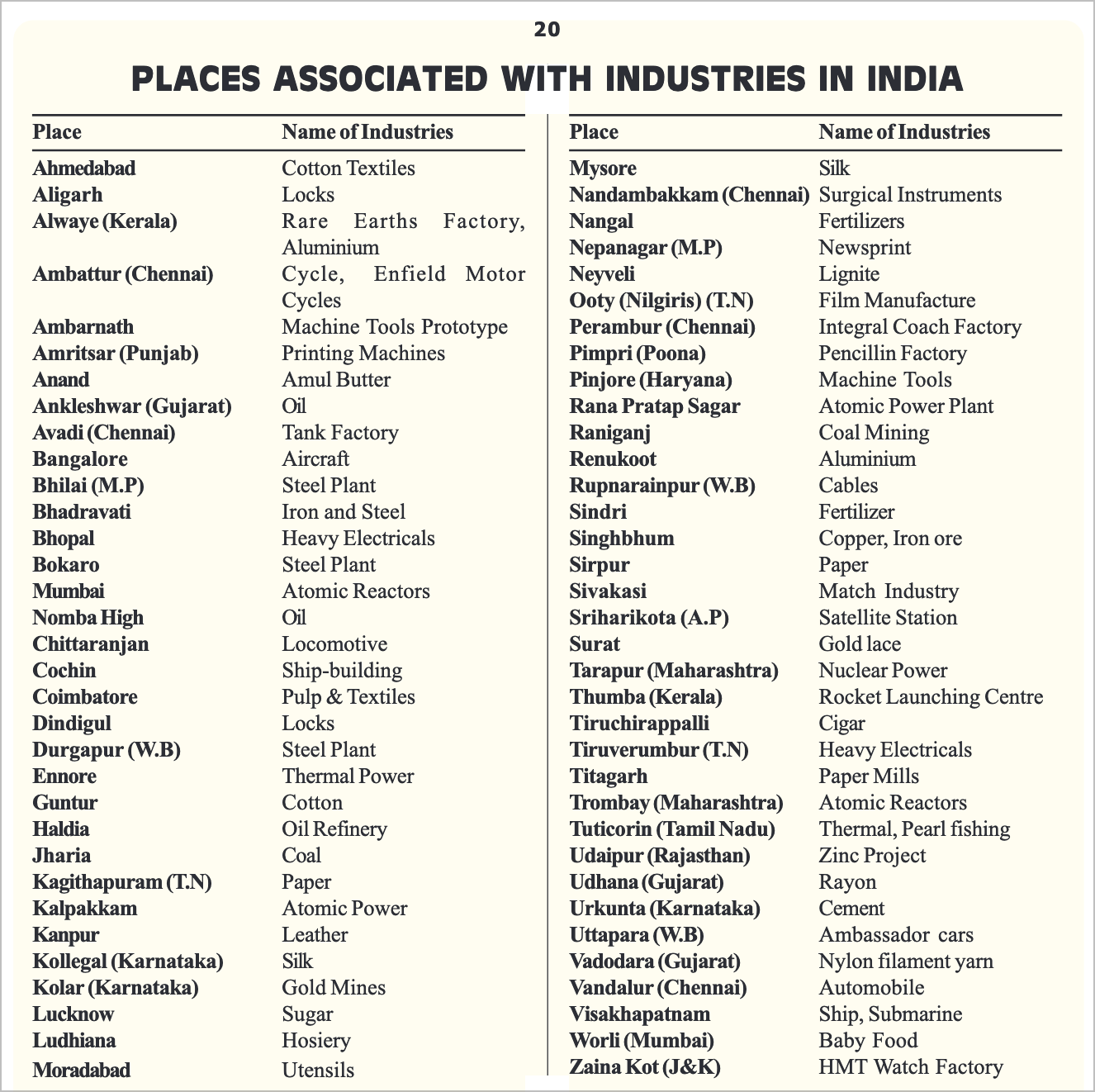
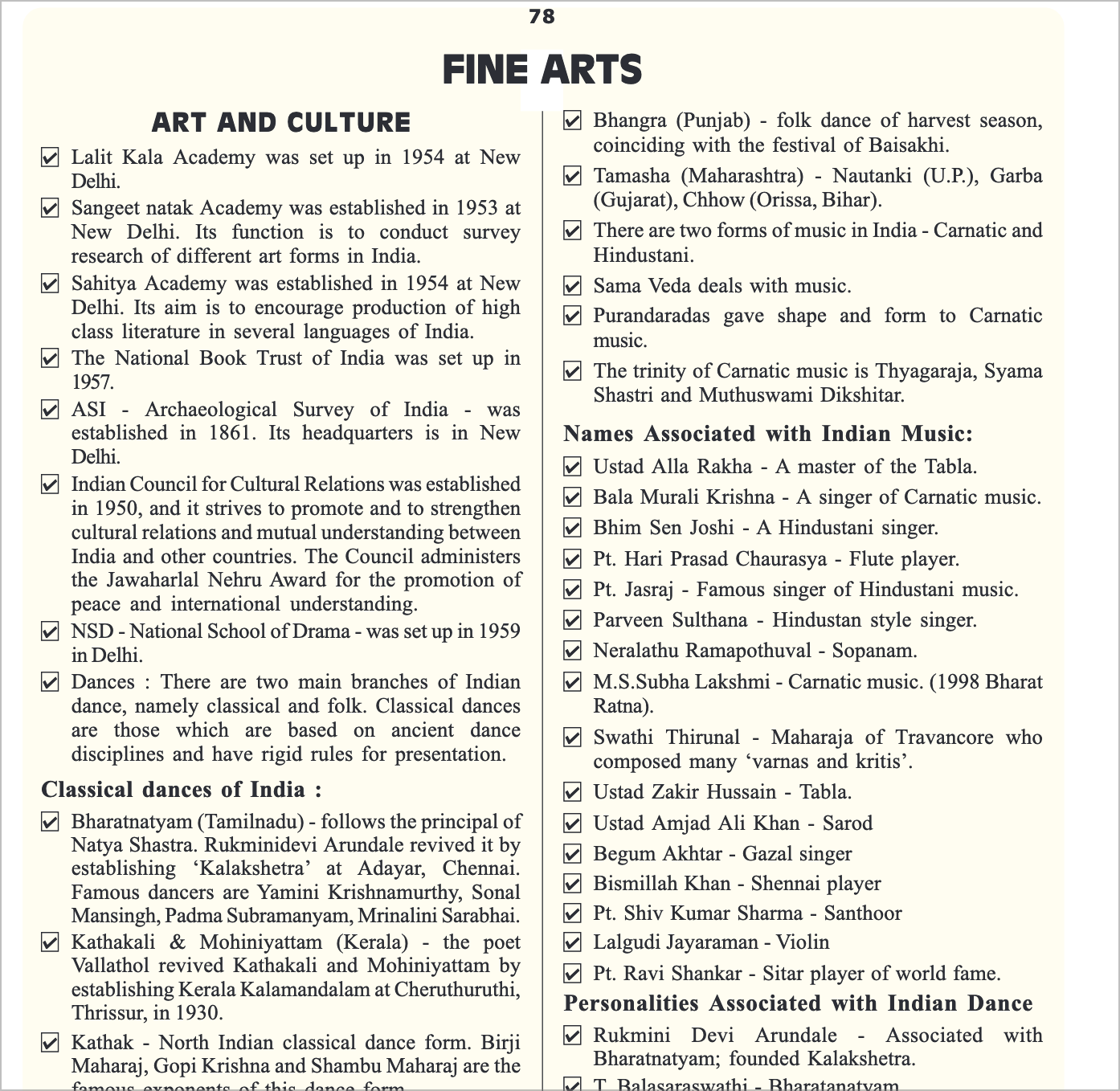
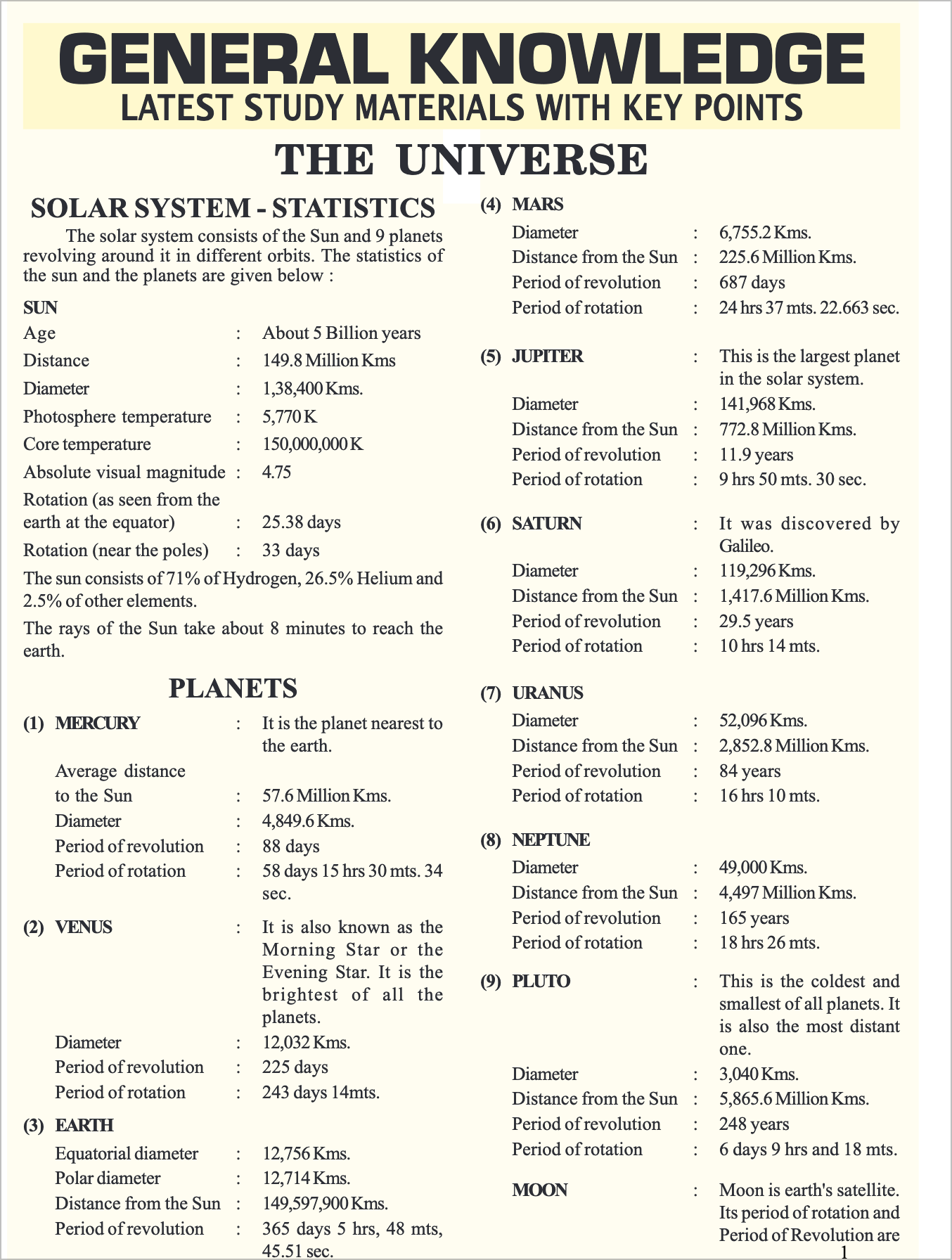
All of these are my self reflection just for you to understand me even more and properly communicate with me when needed. I am making this platform to discuss my learning condensed material because I am in need of someone who understands me and multiplies enjoyment aspects of the technique which I need the most. As I am old customer of the forum I like the answers provided by @beau2am, @Hari-P, @josh, @Anthonymetiever so contribute more here. The information that I want to remember is this and I want to see your approach to materials. NO DETAILED explanation. JUST provide me with CLEAR STEPWISE instruction to do so using MOL, peg, major but heavily focusing on MOL. The book is similar to ciafactbook. I could not upload any pdf here. Admin allow me to upload it.
2 Likes

I described my process for building a memory step by step in this post (beginning in the middle of the post: Can't remember virtual memory palace - #9 by Hari-P), but I’m not sure what is applicable for you since I didn’t really understand what exactly you are memorising at the moment.

If you tell what you are doing, what you tried, what problems you have in practice, we would be able to help better.

What is the book? If it isn’t copyrighted, you can email a copy to [email protected] and we can upload it for you. If it’s copyrighted, post the title and author, and we’ll look it up.

@Hari-P the book has been sent to Josh and he could upload it very soon. Apart from that how would you relate to my journey which is more important to me. I want to see for myself if only I feel that way or is it somewhat of a common occurence? Maybe I need that conformity more than the guidance itself.

@Josh I have mailed it to you. It is not copyrighted and is a free material. My actual book is in another language so it is inconvinient to send it to you. However the book I have sent you has similar layout and I want to see a process through which I could build a knowledge base through that book.

That PDF document is copyrighted, so I can’t upload it here. (There is a copyright notice in the footer of every page.)

I can upload a few short examples though, so people can get an idea about it.

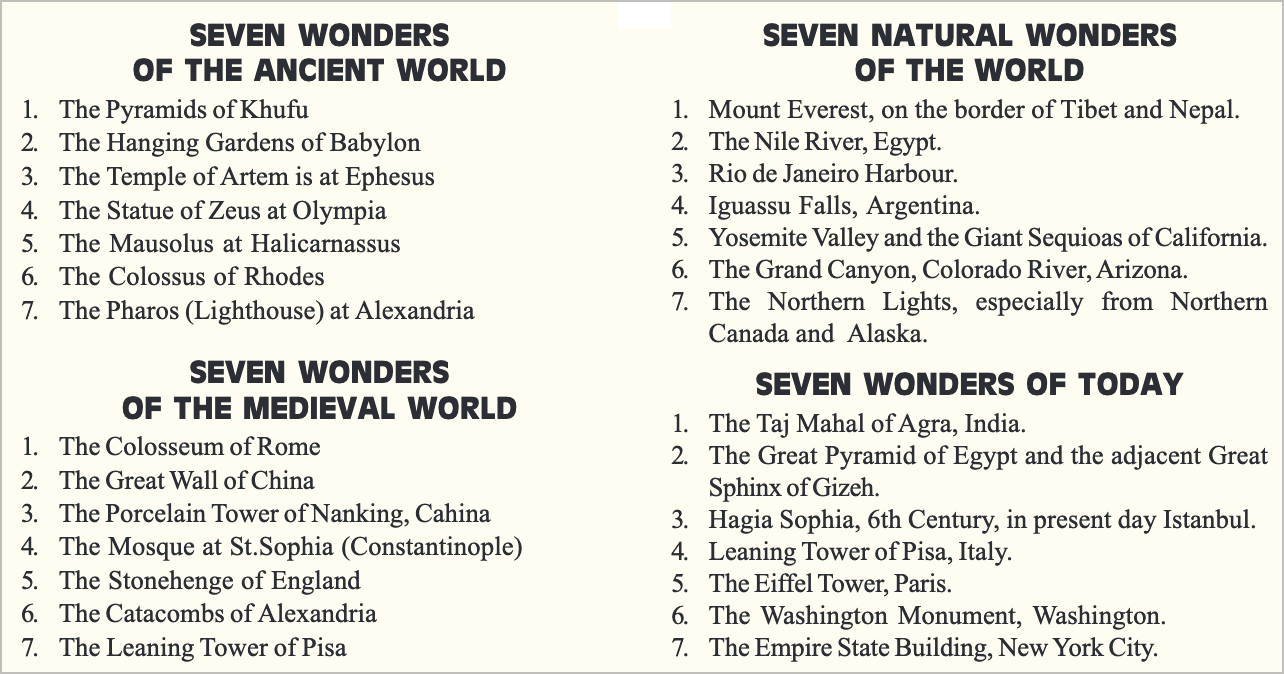
In general, the more specific your question is, the more specific the answers will be, so I would recommend asking smaller questions like, “How do I memorize these four lists of Wonders of the World?” or “How do I memorize this timeline of art and culture in India?”

You could try posting a screenshot of something from the book here, and either someone will be able to understand it, or we can paste the image into something like ChatGPT or Gemini to translate it.

2 Likes

This will do and thank you. Question to tagged personnel is simple and specific that is " How can you expand your knowledge base studying given book utilizing memory techniques for LONG TERM RETENTION ?" Provide me stepwise guide.

The thing is, I’m still a bit confused reading you, because I’m not sure what your project is, what you actually want with your learning. Maybe it’s a sign you’re learning without a goal in sight (?)

Seeing the screenshots of the book, I’m guessing you’re learning lots of facts (so general culture). It’s a never ending task (because you can always find new trivia to learn).

And never-ending and aimless is not an exciting and motivating combination. Life-long learning is never-ending (or at least is as long as your life is) but it also always-changing, which is what makes it exciting.

Keeping in mind that I don’t actually know your situation, so to take with a grain of salt, I would try this:

  • Fix smaller goals (or at the very least structure your big goals with intermediate steps) that last 10 days to 3 months maximum. Begin small but commit to see it to the end.
    You need milestones where you can stop, feel that you achieved something and, most importantly, evaluate what you did and learn from it (and then decide to persevere or change course). Ask yourself «what did I achieve?», «what went well?», «what was a failure or could be better?» (hopefully you have lots of these so that you know what to work on), «how do I feel about this?» (enjoyment and/or curiosity, are important for motivation).
    Then set another small goal. You may continue with your path, or you may change the method, or you may drop the subject entirely and take up something else – it’s fine, it’s okay to give an honest try to something, to observe that you didn’t enjoy it as much as you thought you would, and to try something else.
  • Always be purposeful. It doesn’t need to be a great life-changing purpose, it’s fine to have a goal like «I’m curious about this so I commit to try it out for a week» or «I just enjoy this so I’ll learn ten facts by Friday». But it does need to be exciting to you, you do need to be curious about the outcome, about what you learn from it.
  • Side note : don’t make your goals depend on other people : «make 5 videos about subject X and publish them» is a good goal, «have at least 10 people who watch my videos» is NOT a good goal.
    Side note 2 : don’t make your goals hard to evaluate, you should be able to answer quickly «did I do what I said I would do ? yes or no». The thinking part about «what did I learn from it» may take time, but NOT the «did I actually do it?»
3 Likes

Thank You @Hari-P
There is no saltiness about your answer. Your answer is what i needed. My problem was never efficiency in the technique. I feel I have consistency problem. Let us take a slide titled SEVEN WONDERS of ancient/medieval/natural/today world. Focusing on this slide alone, I want to see your approach to remember this information for longterm. How would you do it??

1 Like

You are focusing again on the techniques to remember things instead of goals and growth, which are the things that would give you motivation in the long term.

So what are your reasons for learning the seven wonders of the world? What is the broader goal that yor pursue with this small goal? Is it going to give you a framework to build other knowledge around it?

Technically learning a list of things is easy. But if you don’t use it for something you’re going to forget it again. You need to know why it is interesting to you.

I do have greater ambitions. These facts are essential informations I need to be able to retrieve in competitive exams. Apart from that I see less use of them but some facts have been very helpful to initiate small conversation with diverse people.

So you plan to take exams? Which ones? Was this book recommended to you as exam prep? For exams it’s usually good to be focused on what is going to be tested exactly.

Also what is your deadline?

Taking the time to plan well before starting to be sure you concentrate on the right things and stay on schedule is very important.

Yes first phase of exam has book totally similar to this one. The syllabus is as follows

  1. Geography - physical, social and economic geography of country and the World
    1. 1.2 History, Culture and Social System
  2. 1.2.1 Major historical events of the World
  3. 1.2.2 Political, economical and socio-cultural aspects of ancient, medieval and modern country’s history
  4. 1.2.3 People’s Movements for democracy in country
  5. 1.2.4 Prevalent religions, culture, ethnicity, languages, literature and art of country
  6. 1.3 PolityandGovernance–constitution,politicalsystem,rightbasedissuesandevolutionofthe country’s Administrative System
  7. 1.4 Economic Development
  8. 1.4.1 Infrastructure development in country (agriculture, industry, trade, tourism,transportation, communication, education, health and electricity)
  9. 1.4.2 The country’s economic issues relating to planning, mobilization of resources, growth,development and employment
  10. 1.4.3 country’s economic interaction with the World
  11. 1.5 General Issues on sustainable development, environmental ecology, ecological preservation, bio-diversity, climate change, demography, urbanization, settlement, pollution, conservation of natural resources and national heritage
  12. 1.6 Science and Technology
  13. 1.6.1 Major scientific discoveries and inventions, famous scientists and their contributions
  14. 1.6.2 Impact of science & technology in human life and society
  15. 1.6.3 General information on evolution, heredity, health and diseases
  16. 1.7 International Affairs and International Institutions
  17. 1.7.1 country’s relations with the member countries and other countries such as China,United States of America, United Kingdom, Russia, France, Germany, Switzerland andJapan
  18. 1.7.2 UN System, multilateral arrangements
  19. 1.8 Major Events and Current Affairs of National and International Importance; such as political, social, cultural, economic, scientific, sports, books, prizes/rewards, arts, literature and music as well as noted personalities and thinkers
    That is for the first phase

NOw For secone Phase

  1. State and Governance
  2. 1.1 Fundamentals of governance: concept, context and characteristics
  3. 1.2 Political and administrative structures of governance
  4. 1.3 Right to information and transparency
  5. 1.4 Nation building and state building
  6. 1.5 Governance systems in country
  7. 1.6 National security management: concept, scope and existing provisions of nationalsecurity in country
  8. 1.7 Multi-level governance and country: informal governance, civil society governance, localgovernance, cooperative governance, corporate governance and United Nations Organization
  9. Constitution and Law
  10. 2.1 Constitutionalism
  11. 2.2 Constitutional development in country
  12. 2.3 Present constitution of country
    1. 2.3.1 Salient features, executive, legislative and judiciary
    2. 2.3.2 Fundamental rights, directive principles and policies of the State
    3. 2.3.3 Function and jurisdiction of constitutional and statutory bodies
  13. 2.4 Human rights
  14. 2.5 Civic sense, duties and responsibilities of people
  15. 2.6 Sources of law and law making process in country
  16. 2.7 Rule of law, democratic values and norms, inclusion, proportional representation andaffirmative action
  17. Public Service and Public Management
  18. 3.1 Concept, functions, characteristics and role of public service
  19. 3.2 Public Service delivery
  20. 3.3 Political neutrality, commitment, transparency and accountability
  21. 3.4 Utilization of public funds, ethics and morality
  22. 3.5 Public management, civil service and bureaucracy
  23. 3.6 Public policy: formulation process and analysis
  24. 3.7 Public Service Charter
  25. 3.8 E-governance
  26. Resource Management and Planning
  27. 4.1 Human Resource Management : procurement, development, utilization and maintenance
  28. 4.2 Public financial management: planning and budgeting system in Nepal
  29. 4.3 Government accounting and auditing system in country
  30. 4.4 Financial management and social accountability
  31. 4.5 Development planning and current periodic plan
  32. 4.6 Participatory planning and development

I have solid 6 months of time and am currently intermediate for the information. I am quite good at MOL and know quite well about human memory thanks to my research in scientific journal. I feel I have slight ADHD but not clinically diagnosed. I have started making journal of daily life because I found out that it helps in cognitive offloading and gives sense of purpose/direction which is good for mental health. I also recently reailzed that relatedness with the material helps with engagement with material for longer period. I have procastinated 4 months this year. So yeah this is it.

Ok this is a huge body of information.
The main problem I see is that you have to learn tons of information. You need to organise it, to not have a jumble in your head.

For example, all information (like historical dates) that can be put on a timeline, I would order that way in a history memory palace (or several if that’s more comfortable).
If you have a PAO system (or similar system) use them as supplementary anchors.

Then another palace for geography (some people on this forum have memory palaces with the country alphabetically).

Etc.

The point is not only to remember all the facts, but being able to make links between facts. Because this is what allows to think, to use all this information, reinforcing it without brute force repetition.

For exemple, say you read about how a country have a political revolution. You would put it in the geography memory palace in the place/locus for the country (allowing you to understand the situation in the country itself, the context into which the revolution occurs) and also in the timeline/history palace, which would allow you to understand the broader context: what was happening in other countries at the same time? were they significant discoveries that changed the weight this country had in the world? Were the revolutionaries inspired or involved in other similar movements in other countries, etc.

4 Likes

Thank you,

I shall start that way. If I encounter any problem on the way than I shall definitely put it here for us to discuss. I am happy that I could discuss it with people who understand. Let us see how far I can push it.

2 Likes

Hello people,
I started from one topic. I have choosen regional organization. The problem I am facing is consistency. I only had brief study of 15 minutes twice only.How can I maintain consistency?? What are common pitfalls in maintaining consistency?

I mean sad, but that’s how most government competitive exams prep going on in india. due to massive population. even if somehow we ended up with easier questions in exams, then lots of people sure have given answers as well. so in the end , it will be fast finger type competition. Those who have finished exam faster sure to get pass. depending on exam there might be less percentage of people will pass, like in upsc only 0.1% will pass, and other competitive it might be 10%, 40%…
If the exam paper is tough most will even not able to answer it, and will take a guess.

the core subject generally revolves around general knowledge and it includes economics, history, geography, politics, accounts, maths, chemistry, biology, physics, zoology, psychology, current affairs that’s a lot we need to track what’s going around us. for this we have to read newspapers daily, start watching news even if we haven’t see before since it’s endless. One main problem I can pinpoint is there is no fix syllabus.
Like no candidate knows what book to prepare. so sometimes luck plays a role too. I mean someone who have coincidentally read the facts and it came on exams.

There is also a core subject Reasoning questions that include various mental calculation, mind bending questions in various types we have to answer very faster too.

I am not doing a govn competitve exam but have seen various students around me do that , so in the end it comes to who remain motivated. although at one point I might start feeling demotivate too.
and consistency is the key. let’s assume half the people who are taking exam not remain consistent and lose motivation. Don’t think the person who has the best memory generally always crack exam. generally they get lazy thinking they can learn it much faster and lazy and waste time without knowing. if you just do it daily you might crack it , and get shocked to see that yourself.

now how to memorize seven wonders of the world. there are various mnemonics like loci method, spaced repetition, teaching yourself and to your friends, can pick initial letters of each seven of wonders and make a word, etc. It comes with practice and also at the cost of taking much time if you focus on each fact how to memorize it. rather faster way is to just read it like you are reading story book, don’t focus on memorizing in the beginning , just plain read it. and after you finish most of the things you have learned. you have to read it after few days again but much faster this time and after that start memorizing.

4 Likes

hmm, It’s harder if you are social. you have to zoned out for most tasks. like if there is party, festival, friends saying let’s play game, you have to say sorry I don’t have time I have to study. Doing for some time is okay, make sure not get addicted and waste more time, since life might start feel boring , so enjoy some part of life too since nobody knows when it’s their last day. Initial days most friend will left you saying you don’t play with us. but that’s it most important thing is your goal. I am not saying they are wrong, but most of them have born with golden spoon, but many didn’t born with a golden spoon, so you have to understand your situation that to get those same things you have to work harder , and smart work will obviously come after you did lots of hard works. (I am talking about majority, some even though they have got plenty money love to learn and improve but that’s rare)

Now comes second point, you have to start remaining around people who are doing studying, if they are also doing government exams, that’s cherry on top. you got your study buddy. They will be one of the people who will keep you motivated.
I will not study with group though, since I feel more focus when I do it alone. I meet them after I finish reading per day tasks, and sometimes in week , to see how they are managing it and get more motivation.
If you able to get motivated from inside without external things, then that’s most awesome thing.

Learn daily some things so you feel you achieved something and feel yes consistency going on, you can even talk about it to your friends that I learned this today.

If your “WHY” is strong, why I am doing these things, why reading this pointless facts, is government exam good, can’t I earn with other things as well , at the time when you start feeling it’s harder, and many things like this. If after you crack exam and the work and things you get are awesome. you will get much more consistency. I mean it could be anything, wanting to take responsibility of home and remove burden of parents, the love you want is wanting someone who is independent, if you can’t survive alone. why will girl want to be with someone like that, I mean there are endless reasons. so pointing out your why is more easier approach.
I mean let’s say someone want a big car, good home, etc etc. and they got everything for free from their parents. will they feel motivated to get those things. ofcourse not. they got their dream goal for free. so they need to find different “why”….

@Rajadodve786,
You my friend and I have something in common that I can sense from the conversation you made. I too am intrinsically motivated. I am social but can easily shut down the crowd when I feel like it. I am happy that I have edge in atleast two aspects(zoning out, self-motivated).

I will share my progress whatever it may be. Provide me valuable comments when needed.

  1. Don’t worry about people not being interested or impressed or finding it strange. There are many myths, and so are people. Don’t dwell on it. You might find people who are interested. (1.1 Bet money that you can memorize 200 numbers or a deck of cards in a minute, hehe)

  2. You need to master all aspects of mnemonics, not just the sports component.

  3. I haven’t memorized large amounts of information for 1.5 years, except for exams. I mostly read or interacted with people. I didn’t have any ideas about using mnemonics to memorize things. Now, I’m coming up with various ideas for experiments. It’s an interesting fact. You can go a long time without practicing the skill of memorization, but it’s always with you, and you can quickly regain the speed and quality of your memory, unlike other skills. It only takes 5-12 hours.