Kind of what facinates me more about the art of memory.
- Every detail you imagine matters. You don’t need useless details, but not everything has to be a locus (spot for holding images).
- Start from the inside if you’re want a building structure: house, mansion, etc.
- Be consistent with yourself, don’t reinvent. If you visualize a chair in an spot, don’t update to see another later, this will create ghost images, then you’d think about different images at a single spot.
- For the loci, anything can be a memory holder. Imagine a soap bar, each egde can be used, the center with the company name, and the bottom side. Imagine a creature from myths or fantasy and use its body as a memory palace, every detail that you care to use can be used as an locus. So, within an structured palace you can have an seemingly infinite amount of sub-palaces.
Steps for a basic structural palace:
1. Select a reference. Either from your memory or a picture:


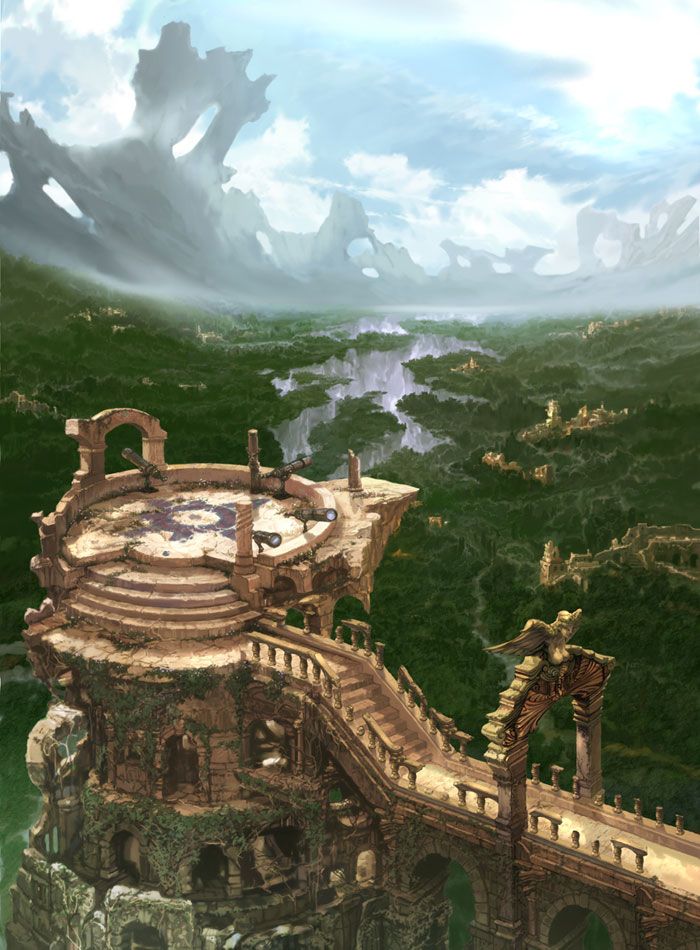
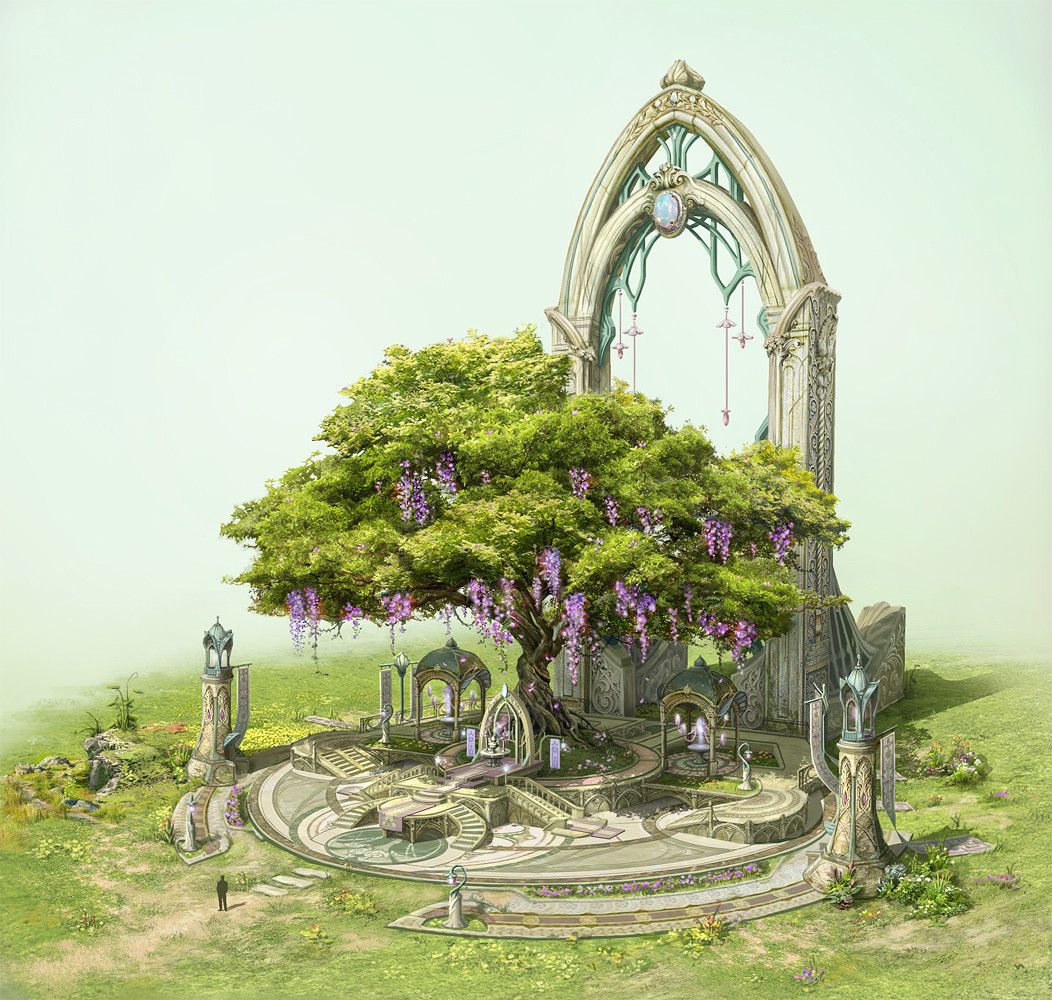
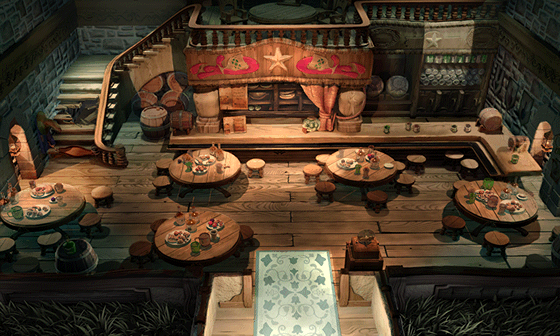
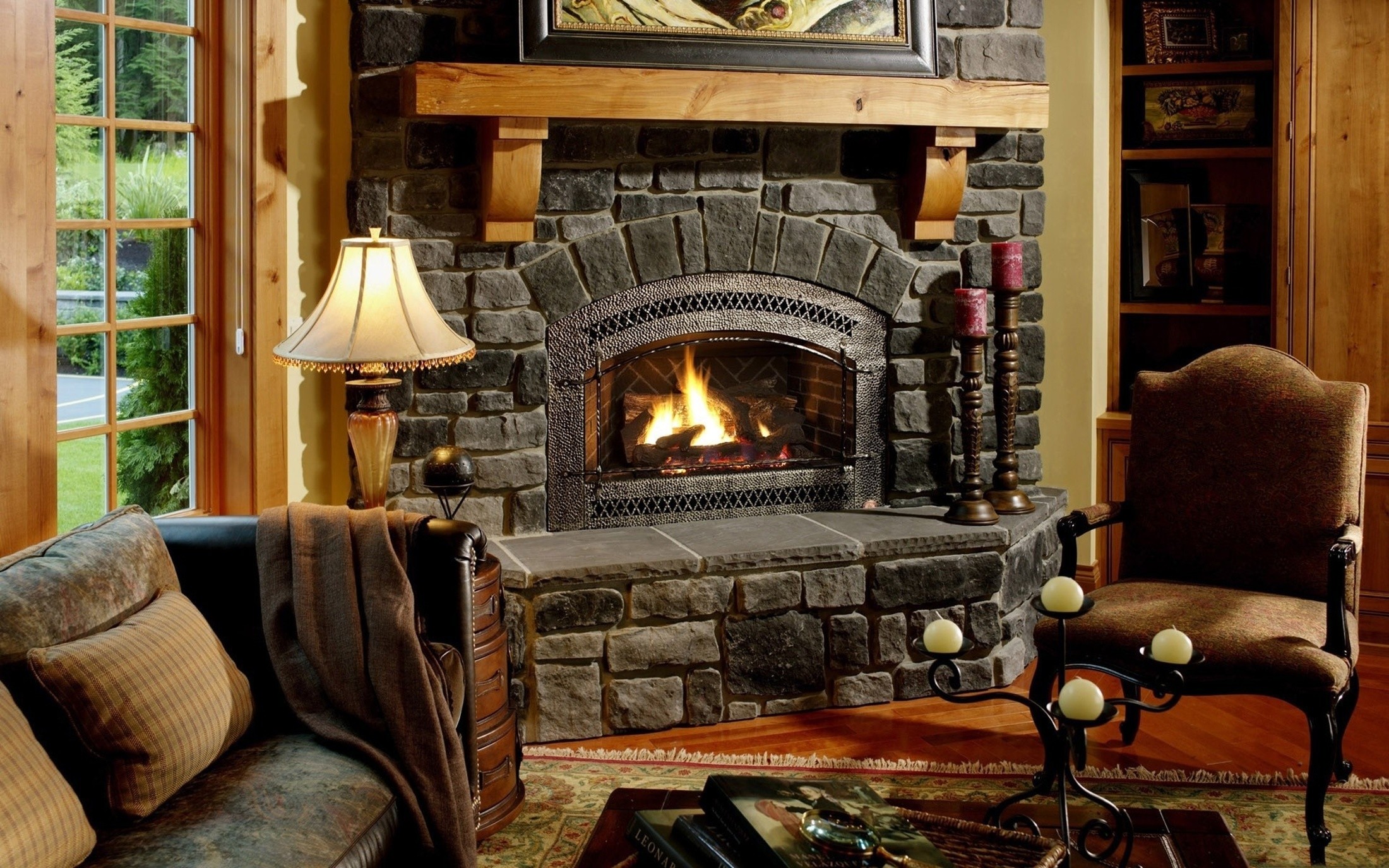
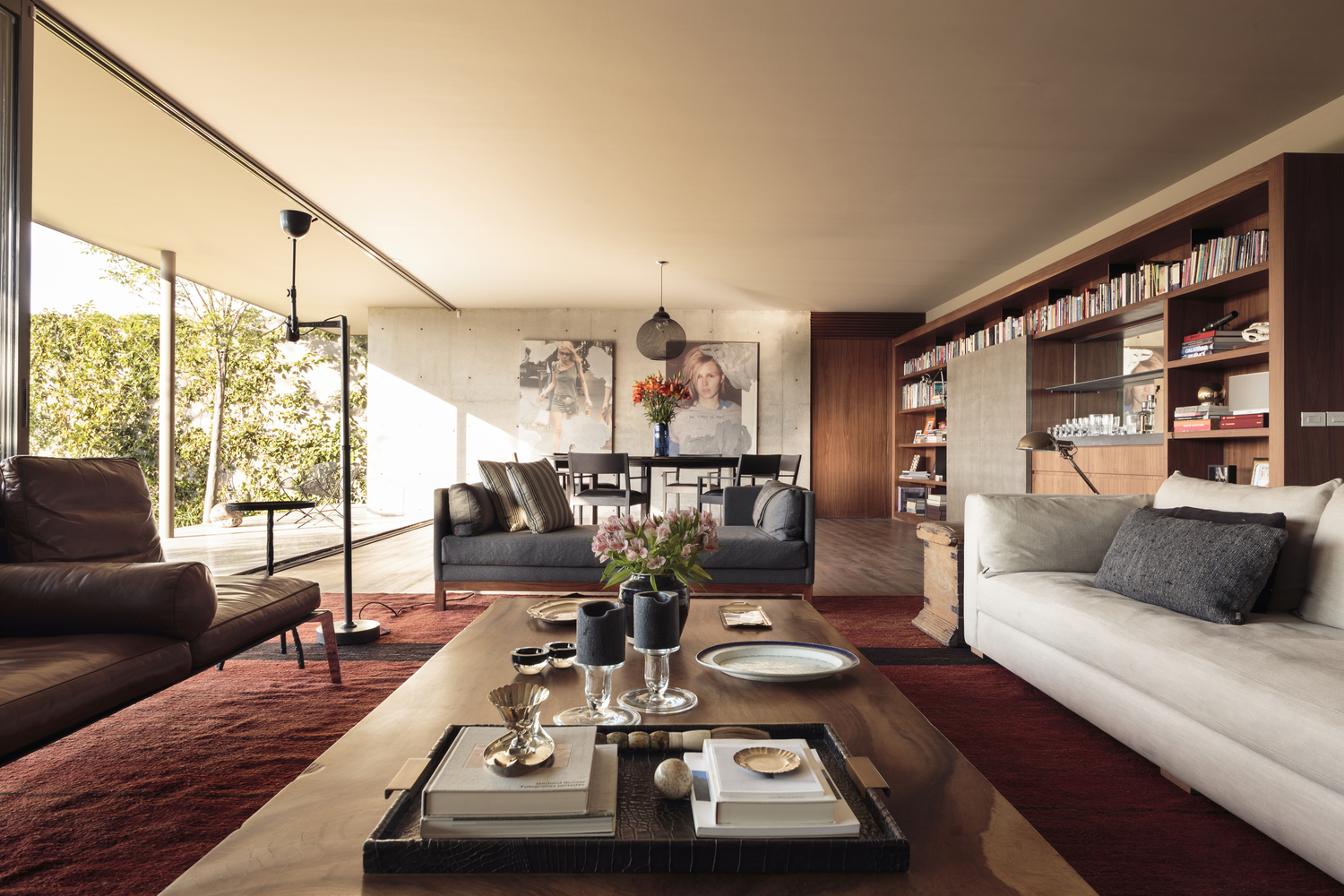
Tip on the reference: not empty, not overwhelming.
2. You can either draw a blueprint or simply imitate multiple references. In this step, start making your structure. For instance, if you try to reproduce any of the pictures from step 1, you’re just creating a “real palace” rather than an imaginary palace, I consider imaginary palaces those that are made by your creative mind. So, as a basic rule of creativity, take bits from your memories and from the references, and create your target palace, either following a blueprint or in flow of creativity.
3. Now, finally select your candidate loci.
I use paracosms or imaginary worlds as a meta-place where I visualize my imaginary palaces. So, I don’t forget them.
Example:
I created a place, I wasn’t counting the loci, didn’t use references neither blueprints. I just freely visualized a door and its sorrounding walls, different from my advice, I visualized the outer view of the house (though it is smaller than the inside), when back to the door, then made an office, with a a desk and three sits, a tree, a lamp and some ghost background. I created another door leading to a living room, here there was fire place and sofa’s around it, from that point, to th right a table for decorations and over the table a painting which has a woman looking at the distance at a man, the woman holds a cat (they are in romantic (historical) clothes) At the front there is a small table with a chess board on and two sits, over two more paintings one with a flower, and the other is a ghost (not detailed). To the left there is a bookshelf partially ghost (I use the whole as a locus). This room has four doors at opposite walls two by two. That’s just an example. I used this one to memorized 00-09 images for my first PA (I remember, though I use another). I use this place for random numbers memorization training and random letters memorization as well.
Conclusion:
Everything can be a memory palace. Anything you imagine. You need to avoid confusion, yet you don’t need to have everything detailed like real life 3D visuals. You will visualize from different perspectives, and remember the associations anyway. Some problems are present with imaginary places that don’t appear with real life places. Then, is it really worth the effort? YES. My reasons are speculative but I find these places less confusing, with higher recall, faster locus to mnemonic image association, multiple perspectives are more forgiving allowing you to memorized many things within the same spots without any interferance. Though maybe all the “benefits” could actually be personal or even the same could be with real places.
More on the topic: