Just to avoid confusion for the sake of other forum members reading this discussion; we are now talking, as it appears, about my previous number to letter system and not my new system (it has only 14 symbols and six numbers and no words). My number system was based on mostly Dutch vowel sounds, however many “words” that that system creates are not Dutch words or do not even sound close to Dutch words so I improvise and use my knowledge of English, German, French and Spanish. For example 13 is pronounced as IM, which I associate with a German toothpaste commercial (in my childhood I used to watch a lot of German television); “Reinigen Sie Ihre Zähne immer mit neu entwickelter Zahnpasta”.
But using Major in English, “73” could be a “comma,” a punctuation mark.
I have never used the Major system; it always appeared to make more sense to me to use what the most intuitive number to letter (or sounds in case of vowels) translations are. For example the word fotocopy would look very much like 80704001 in my estimation (0 being an o as a vowel and a p as consonant).
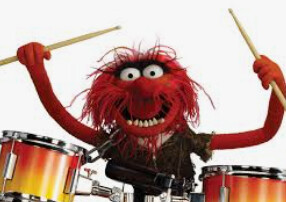
Your image combines a puppet with the “off-screen” sighting of a lion.
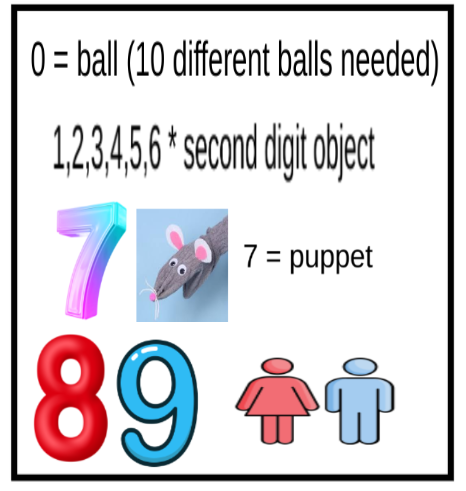
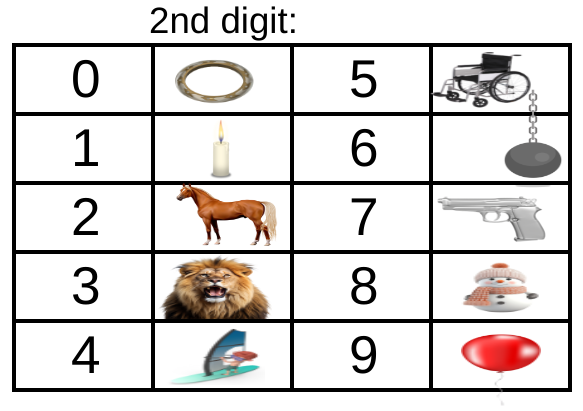
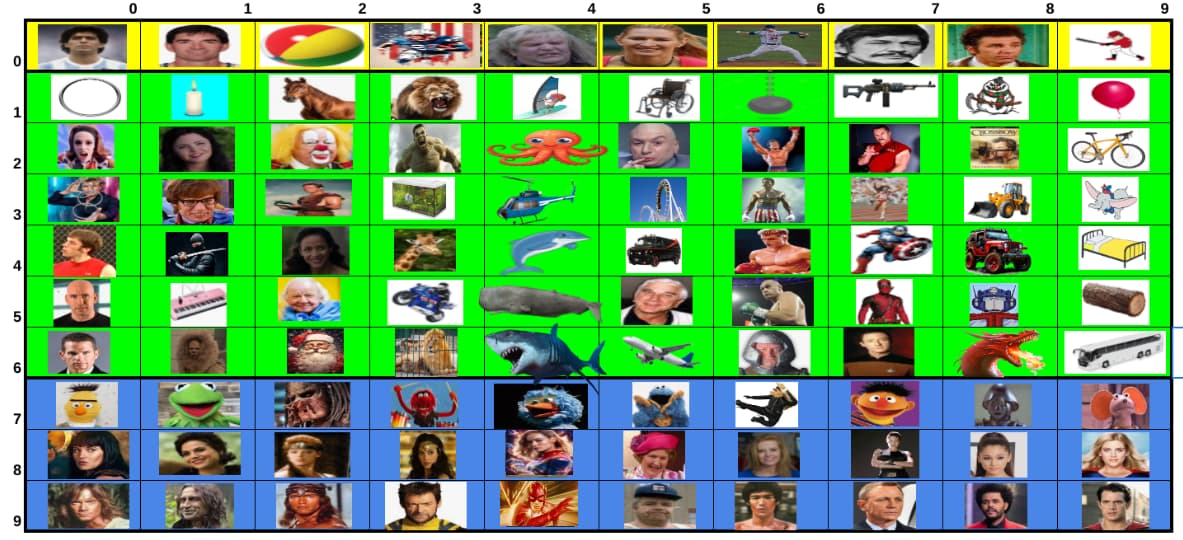
The image doesn’t combine anything, it is simply Animal from the muppets playing drums (that is what he is known for). Translating this image back into muppet + lion (73) is in my opinion in general easier than translating a Major system image back into a word and thus a 2 digit number. First of all there are only 10 possible variations of each single digit number element. He literally is a muppet, so very likely he is associated with a number starting with 7 (7 representing an open mouth of a puppet) and the association I thought of with a lion seems very easy to me. In contrast the Major system and similar systems allows for the creation of images that may be an easy translation of a 2 digit number, but translating the images back into the number (names) is not always as easy. In my old system 50 would be translated as SO, as in “So you think you can dance” TV show and I had Michael Jackson as an image. Very often I would have no clue what the image of Michael was supposed to be translated as. To put in other words: two simple elements out of a collection of ten possible variations (of which some are very obvious like all the muppets start with number 7) are not necessarily more complicated together than a single element out of a possible 100 variations.
To my mind, that means there are two elements—a puppet and a lion—associated with your image rather than one … And I would say that’s inherently more complicated.
As I have explained in the above text, the complexity of the 2 elements from my system is much less than that of the single elements (a single word) of the Major system. The problem of having for example a picture of a dog and (in the beginning of your usage of the system) not knowing if the word was “pet”, “dog” or “hound” or something similar in meaning is not a problem that my system would bring about.
Although I’m guessing that, over time, you’re going to be able to immediately see 73 as Animal and completely skip past the translation of “7+3 = puppet + lion.”)
Now we are getting somewhere. That is indeed the end goal, which admittingly I have not mentioned in my original post for already mentioned reasons. The symbolic reading is so simple in my estimation not despite but because there are two elements instead of one for each 2 digit number and thus only 10 very simple variations of each element.
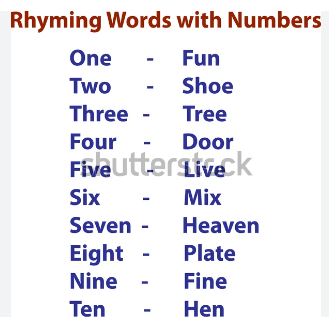
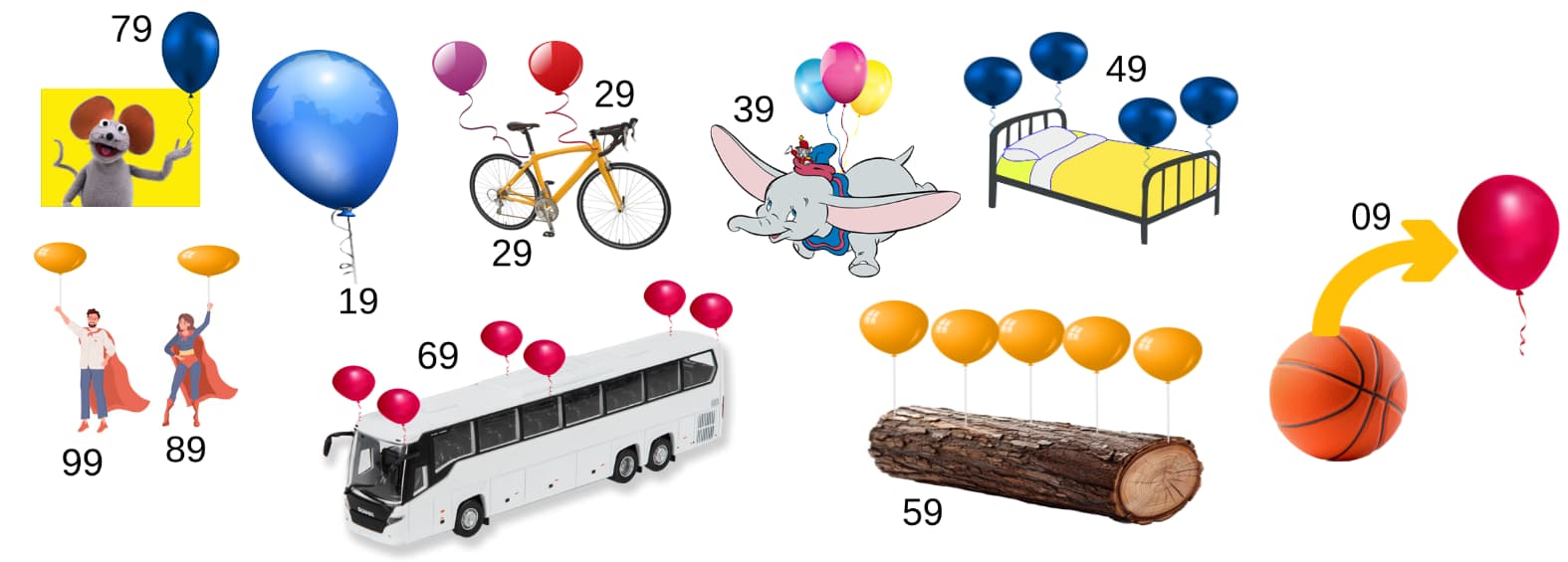
The system as a whole may be new to some extent, however the idea of for example translating 39 as 3 balloons and thus perhaps as a clown (with 3 balloons) is not. My first peglist (method described in a 50 plus year old book) is based on a number rhyme words system for the first 10 pegs …
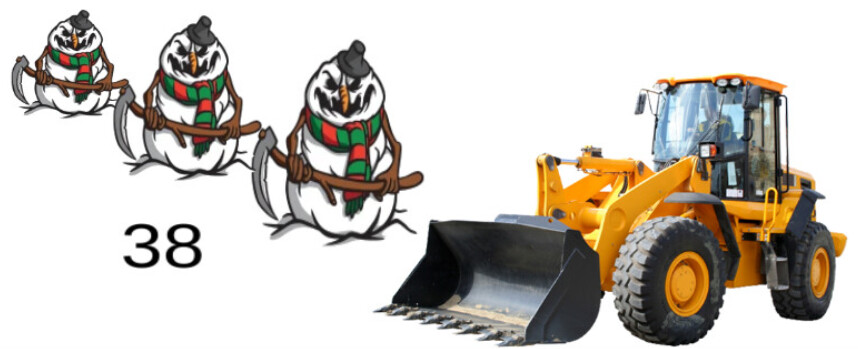
… followed by 10 = one ball. 11 = one spear, … , 28 is two bicycles on a trailer and so on. The system is so simple that with little practice, indeed 28 immediately triggers the image of two bicycles on a trailer.
Even after months of using a number to letter system (mostly used at work ro memorize item numbers and locations) I still can’t look at 65 for example and say what the image is unless I translate it as a word. This means for me that I can only translate one 2 digit number at the time. If I now for example look at 71 and 75 I already can see immediately (as it is seems) that it’s Kermit the frog (with a candle) and Cookie Monster (in a wheelchair).
I suspect that if I were trying to follow your system I would just picture a puppet lion, which seems more straightforward to me. But perhaps you have a reason for not doing that…?
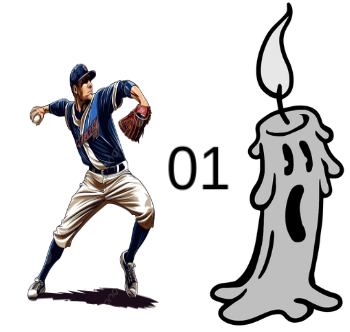
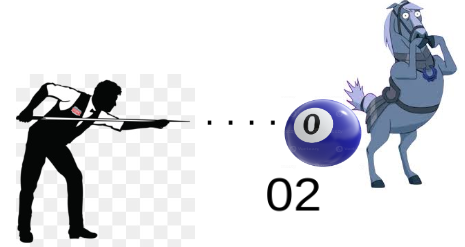
Your idea is not bad at all, but there are indeed not just one but two reasons for not doing that. The first reason is that it breaks the logical pattern of the system; like that logic would not work for a puppet + wheelchair or a puppet + ring. The 2nd reason is that the image of Animal playing drums is much better for me than a puppet lion.

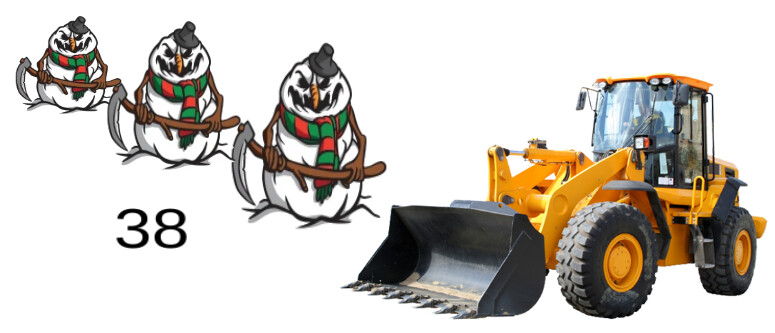
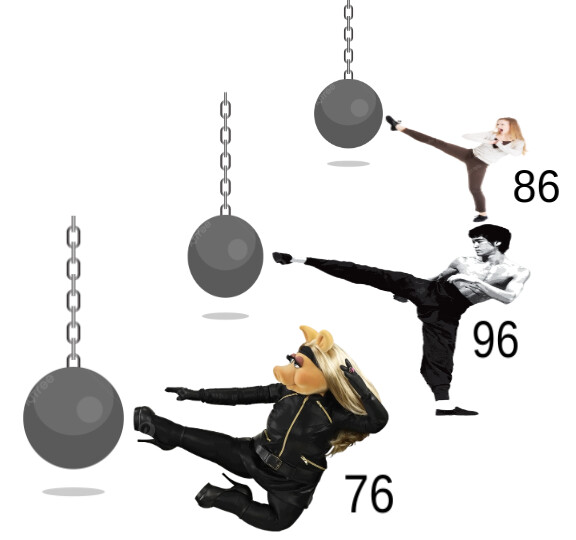
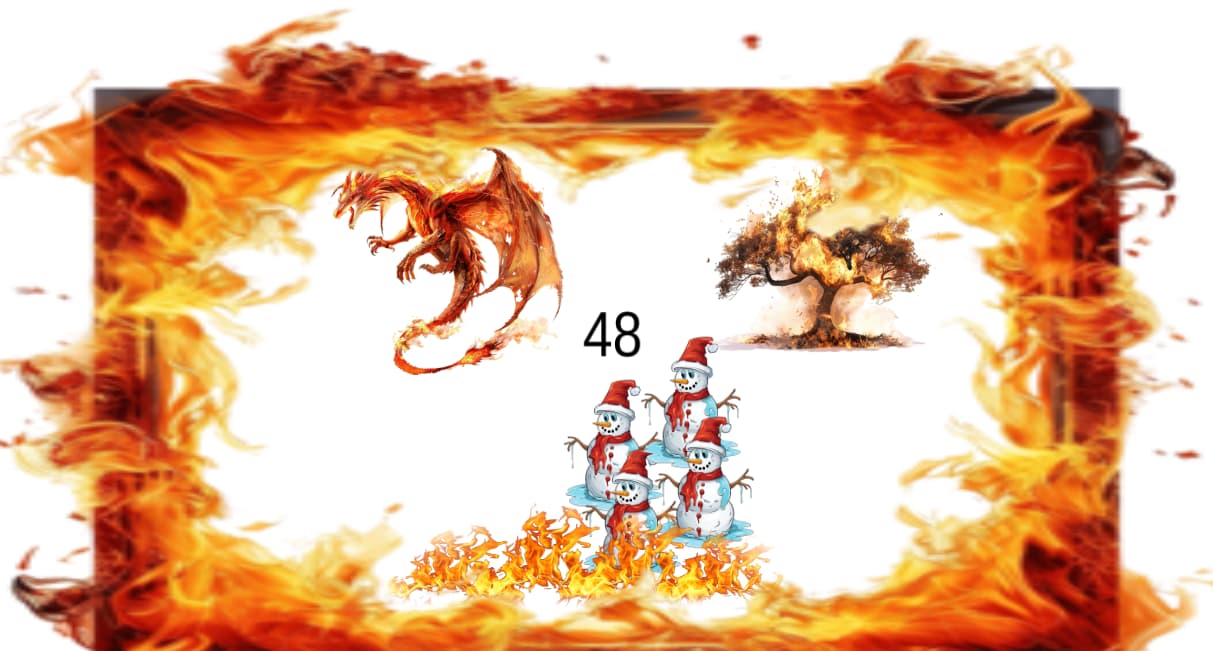


 bow.
bow.