Just heard of this for the first time.
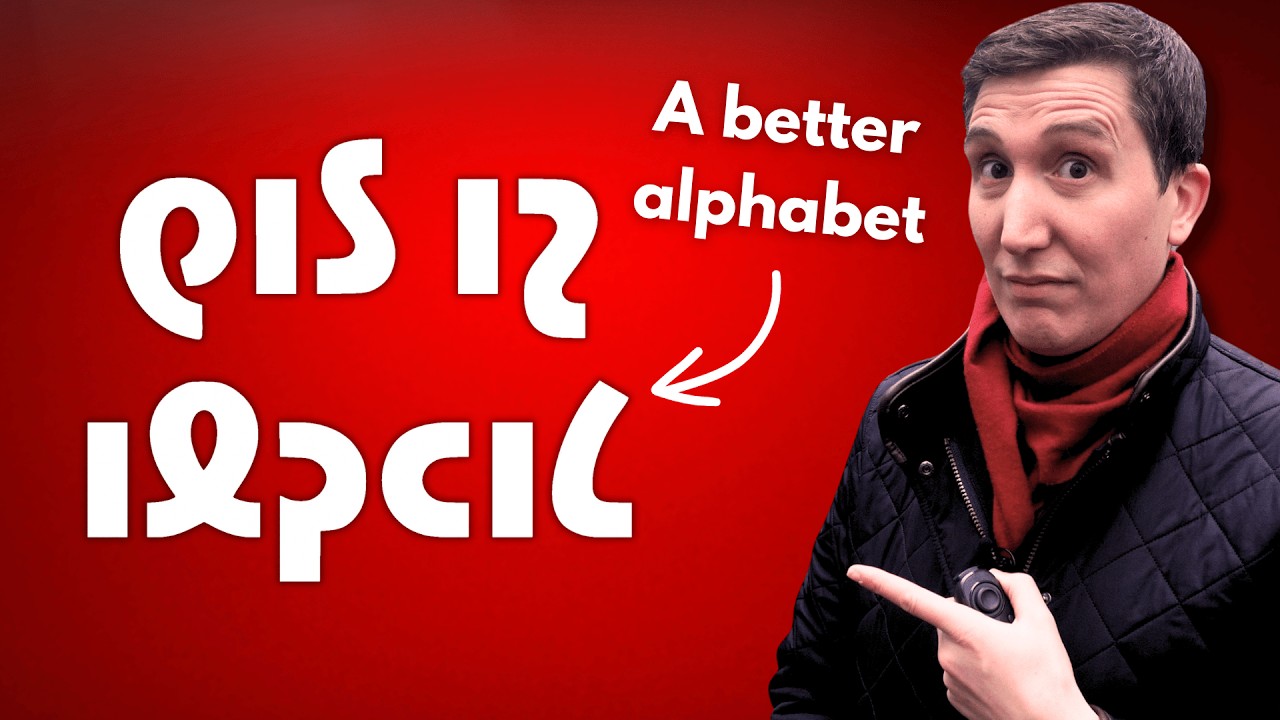
Wondering if other people know of it?
And does it seem promising for mnemonic purposes?
Just heard of this for the first time.
Wondering if other people know of it?
And does it seem promising for mnemonic purposes?
Idea of Combining the Shavian alphabet with the morse code which according to Google Bard there had been attempts to.Here,The morse code is expanded to 3 characters to increase writing speed and is learned using mnemonics used to memorise symbols and Expanded Shavian-Morse Code-Shavian Alphabet and the expanded Shavian representing the standard morse coded Shavian alphabet with the fastest version of Morse Coding which can then be represented in short hand or another representation for potentially faster writing and its advantages and disadvantages with the fastest types of symbols being currently known being used to write it those 3 characters if there is a speed gain.
Credits to Nelson Dellis and Youtube videos that teach how to remember to write alphabets in Japanese and potentially other languages as they might have inspired me in writing the using mnemonics to memorise symbols parts in both here and also in the Google Bard along with credits to the RobWords Youtube channel for the video above and sentence that eplictical symbols are fastest(If I remember correctly.I did not find a website with the information and there might not had been one.I do not take credit for this line and I have run this comment through an plagarism checker to not do unintentional plagiarism as an effort to protect myself and to reduce risk and to gradually eliminate it before performing actions,Grammarly was that plagiarism checker,I am not sharing that conversation with Google Bard as it takes the name of another creator while I was writing and it might violate his privacy and therefore I am not going to do that unless I can do that privately and ethically without any loss to the other party or parties,if I can.And Nelson Dellis had been credited for teaching how to memories the Morse Code in atleast two Youtube channels whose videos I had watched and I felt that Nelson Dellis had done so much for us.It is what I thought it was one of my thoughts and I do not remember each and every thought that I had.That thought might have been an comment that I had read in his forum before the coming out of his videos.
The people,Youtube Channels and Artificial Intelligence and Tarnation have been appreciated Here,
Note:- This is my first time crediting ai using this citation.I have given credit and it may be wrong.Google Bard might provide incorrect information as mentioned in that page of Google Bard’s artificial intelligence however that line may be removed,changed if you go that link in the upcoming future and generated content is below -
Google. (2023). Google Bard (18 December version) [Large language model]. https://bard.google.com/chat
We embarked on a thought experiment, exploring the potential of using the Shavian alphabet with Morse code. While traditional dots and dashes have served us well, the question arose: could this hybrid system unlock faster and more versatile communication?
Our exploration unearthed both exciting possibilities and practical challenges. On one hand, the prospect of representing more characters with fewer signals tantalizes with increased speed and efficiency. Imagine encoding entire phrases in a single concise burst! Additionally, the Shavian alphabet’s phonetic nature could provide a more intuitive and natural way to represent sounds within the Morse code framework, potentially benefiting users with specific learning needs or those working with languages outside the Latin alphabet.
However, the path to actualization isn’t without hurdles. Learning a new system, especially one with additional complexity, requires investment and effort. Designing a clear and efficient way to represent all Shavian letters within the Morse code framework demands careful consideration. Furthermore, ensuring smooth transmission and reception presents technological hurdles that need to be addressed.
Despite the challenges, the potential rewards of Shavian Morse remain intriguing. It could revolutionize communication for niche communities, enhance accessibility for individuals with disabilities, and even offer a more efficient way to encode and transmit rare languages.
Our conversation served as a springboard for further exploration. The next steps involve tackling the technical challenges head-on, developing user-friendly tools and equipment, and conducting extensive testing to assess the system’s real-world effectiveness. It’s a journey that may take time and dedication, but the potential benefits of unlocking a faster, more flexible communication system are certainly worth pursuing.
So, while we may not have all the answers yet, one thing is clear: the fusion of Shavian and Morse code presents a fascinating opportunity to push the boundaries of communication. Who knows, this unconventional language hybrid might just become the next chapter in our evolving story of human expression.
Interesting read whether the Shavian Alphabet ever catches on is anyone’s guess? Often things that are less efficient (e.g. QWERTY keyboard) remain our standard. I think Esperanto has a better chance of catching on than the Shavian Alphabet? Interesting that , similar to the Major System, grouping of similar phonetic sounds (or phonemes as referred to in the video clip are used).
An interesting listening to in any case.
While reading about the Shavian alphabet, I learned that another “improved” script was derived from it called Quickscript, which some people might like better.
Here are a couple links:
Quickscript alphabet revised names - Quikscript - Wikipedia
For now, I will stick with the Shavian alphabet, as I find it easier, but I do find Quickscript intriguing.
