Read this to better understand the Gary Lanier system and memorizing text verbatim!

(Click here for translated version)

میں نے قریب ترین نقطہ نظر لیا، اور اس نظام میں کچھ بہت دلچسپ خیالات ہیں. میں نہیں جانتا ہوں کہ یہ متبادل وضاحت میں مدد ملے گی، لیکن مجھے لگتا ہے کہ یہ اس طرح کچھ کام کرتا ہے:

اسٹریٹ سیڈوک - ساخت

جو میں سمجھ سکتا ہوں اس سے ایس ایس ایس کا استعمال کرتا ہے. ٹیکنالوجی جہاں ہر باب ایک اسٹریٹ، Sidewalk، اور ساخت کا استعمال کرتے ہوئے حفظ کی جاتی ہے. اس حصے کو 133 133 پر شروع ہونے والی ماضی کے سیکشن 2-2 میں بیان کیا گیا ہے.

گلی ایک جگہ ہے (میموری محلات دیکھیں) جو کتاب اور باب نمبروں کے بارے میں معلومات رکھتا ہے (میجر سسٹم 2 دیکھیں).

اس موقع پر ایک مقام ہے جو آیت کی تعداد اور “آیت” کا عنوان رکھتی ہے، جو اکثر آیات کا پہلا لفظ ہوتا ہے.

ڈھانچہ پر، چار مقامات کا انتخاب کریں، جیسے اس کی تصویر یہاں ہے:

     پوزیشن 1

      ___میں_
     / \ -_-- \
    / \ _ -__ \

پوزیشن 4 | | | پوزیشن 2

     پوزیشن 3

(میں اس متن دستاویز میں فارمیٹنگ اور عکاس سے محبت کرتا ہوں.: مسکراہٹ:)

الفا حروف

آپ پھر عنوان (عام طور پر پہلا لفظ) کا لقب لیں اور عنوان کے خطوط کو استعمال کرتے ہوئے ان سے “الفا حروف” (لوگوں اور چیزیں) تخلیق کریں.

الفا حروف بنانے کے لئے، حروف تہجی کے ہر خط کے لئے تین افراد / اشیاء بنائیں: ایک مرد، ایک خاتون، اور ایک چیز. آپ کے سسٹم میں 78 الفا حروف ہوں گے.

اگر میں اسے صحیح طریقے سے سمجھتا ہوں، تو یہ اس طرح نظر آسکتا ہے:

خط مرد خاتون آبجیکٹ
ای آبی ایپل
بی باب بیت باکس
سی چارلس سنڈی کینٹولپ
ڈی ڈیو ڈیبی دروازہ
وغیرہ
وہ خواتین کی تصاویر بھی عجیب الفاظ اور مردوں کے قصوروں کے لئے بھی استعمال کرتی ہیں. اگر عنوان کا لفظ بہت کم ہے تو سزا کے لئے استعمال کریں (عنوان کا ہر خط صرف 4 الفاظ رکھتا ہے)، پھر آپ اس ایک خط کے لئے متعدد الفا حروف استعمال کرسکتے ہیں. مثال کے طور پر، اگر جملہ کا پہلا لفظ “A” ہے، تو آپ اس خط کے لئے تمام تین الفا حروف استعمال کرتے ہوئے 12 الفاظ کو حفظ کرسکتے ہیں: آبی، امی، اور ایپل. متبادل طور پر، آپ کو سزا کے عنوان کے طور پر سزا کے پہلے دو الفاظ استعمال کر سکتے ہیں.

ہر کردار کو چار الفاظ کو جملے یا آیت سے باہر چلاتا ہے، گھڑی کی سمت میں چار مقامات سے آگے چلتا ہے، اور فی ایک لفظ کے ساتھ بات چیت کرتا ہے. پہلا الفا کردار چار مقامات، پھر دوسرا، پھر تیسری، وغیرہ کے ذریعہ چلتا ہے.

چہرہ

F-A-C-E ایسوسی ایشنز کو مضبوط بنانے یا ہر الفا کردار کے لئے مزید مقامات شامل کرنے کا ایک طریقہ نظر آتا ہے. یہ نمایاں، استو، کیریئر، اور واقعہ کے لئے کھڑا ہے.

A. نمایاں کریں - جسمانی خصوصیت جو کھڑا ہے - پوزیشن 1
B. ابوڈ - وہ کہاں رہتے ہیں - مقام 2
C. کیریئر - وہ کیا کرتے ہیں (ڈاکٹر، بیوی، طالب علم) - پوزیشن 3
D. ایونٹ - ان کی زندگی میں کچھ یادگار واقعہ - مقام 4
F-A-C-E کو استعمال کرنے کے دو طریقے ہیں:

ہر مقام پر قابو پانے کی طرف سے انجمن کو مضبوط بنانے کے لئے:
پوزیشن 1 + AC کی خصوصیت

                 ___میں_
                / \ -_-- \
               / \ _ -__ \

پوزیشن 4 + اے سی واقعہ | | | پوزیشن 2 + اے سی ابوڈ

             پوزیشن 3 + AC کیریئر

فی اضافی اضافی پیسہ شامل کرنے کے لئے، ہر الفا کے کردار کو صرف چار کے بجائے 16 اشیاء کی صلاحیت دے:
پوزیشن 1-1
|
|
پوزیشن 1-4 - خصوصیت - پوزیشن 1-2
|
|
پوزیشن 1-3
|
پوزیشن 1

  پوزیشن 4-1 ___ I_ پوزیشن 2-1
     | / \ -_-- \ |
     | / \ _ -__ \ |

پوزیشن 4-4- EVNT-پوس 4-2-پوزیشن 4 | | | پوزیشن 2-پوزیشن 2-4 - ABODE - پوزیشن 2-2
| |
| پوزیشن 3 |
پوزیشن 4-3 | پوزیشن 2-3
پوزیشن 3-1
|
|
پوزیشن 3-4 - کیریئر - پوزیشن 3-2
|
|
پوزیشن 3-3
مثال

284 لائن پر سیکشن 3-1 ایک اچھی مثال پیش کرتا ہے.

اضافی استعمال

463 لائن پر شروع ہونے والے کچھ دلچسپ خیالات ہیں. اگر آپ بینک پر جا رہے ہیں اور وہاں آپ کی فہرست کی فہرست کو یاد کرنے کی ضرورت ہے تو، “بینک” کا لفظ آپ کا عنوان لفظ بن جاتا ہے. پہلے حروف کو الفا حروف میں تبدیل کریں: باب، آبی، اور ناتھن (یا جو بھی آپ کی تصاویر ہیں). اس کے بعد ان الفا حروف آپ کی ساخت (بینک خود) کے ارد گرد چل سکتے ہیں، ان کے کام کرنے والے اشیاء کی نمائندگی کرتے ہوئے نیبوکی تصاویر کے ساتھ بات چیت کرتے ہیں.

لائن 469 بیان کرتا ہے کہ “صدر” کے الفاظ کے پہلے چھ خطوط اور فی حروف دو الفا حروف کا استعمال کرتے ہوئے امریکی صدروں کو حفظ کرنے کا طریقہ.

یہ لوکی کے سادہ طریقہ سے تھوڑا زیادہ پیچیدہ ہے، لیکن مجھے لگتا ہے کہ وہاں موجود میموری نظام کی نئی اقسام کے لئے بہت اچھا خیالات موجود ہیں.

1 Like

No no! I m still not getting it. Plzz tell me in clear terms that what is the basic idea of this system with general example that is known to me.

1 Like

1 Like

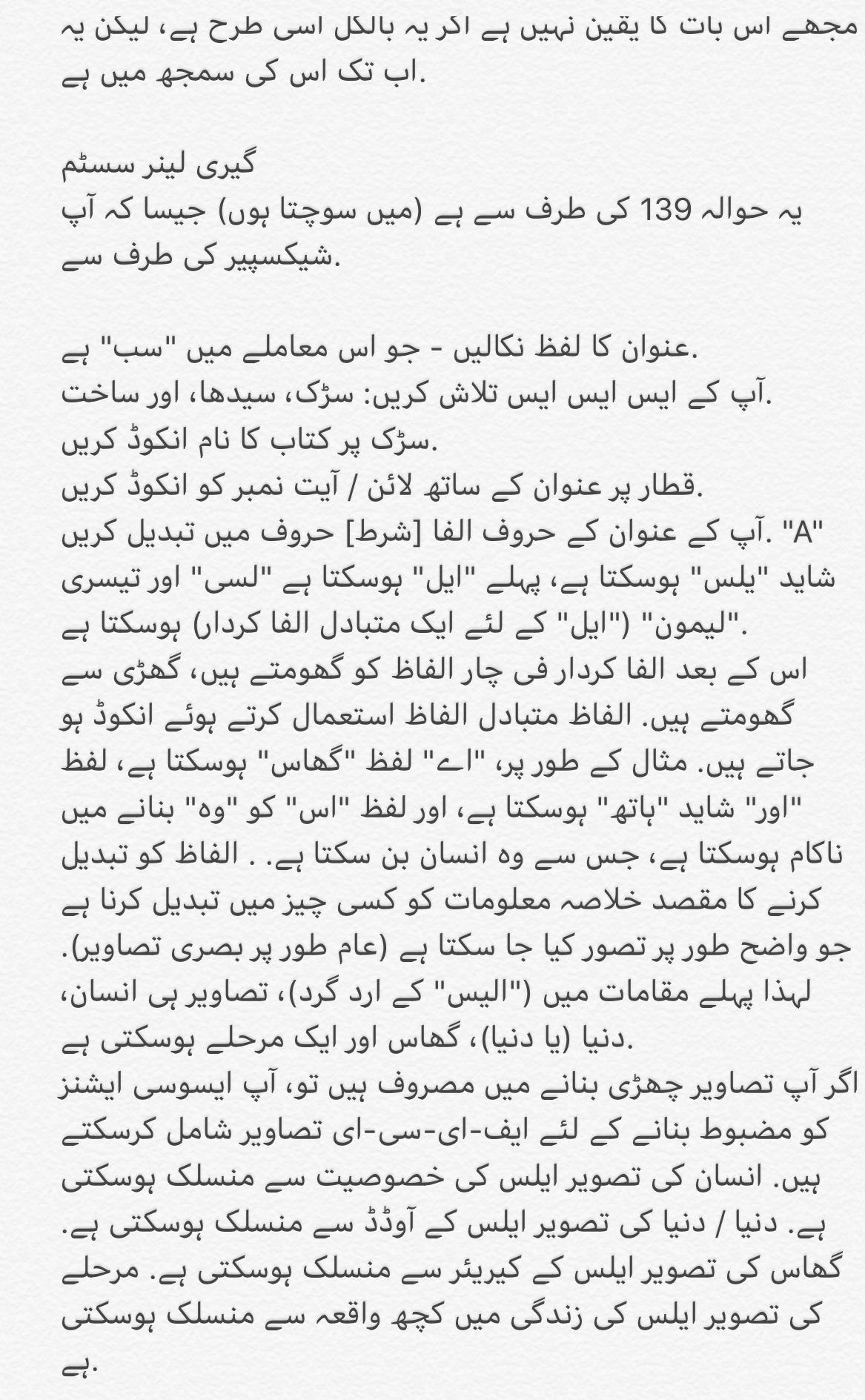
Bro thanx alot but send the above pic in english script! Thanx

[To keep the page readable for the English-speaking readers, I’ve collapsed the translations. Click those links to expand the text. You may want to try pasting the URL of this page into Google Translate.]

I think that this technique probably requires some practice with these other techniques first:

If you haven’t used all of those techniques already, I recommend learning and practicing them individually first.

If you’re already experienced with those three techniques, then maybe try a smaller version of the system first that only uses the title and alpha characters (ignore the S-S-S and F-A-C-E parts for now).

Daily-life Example

Here’s another example that only uses the title and alpha characters (at least to the extent that I understand the system).

This example uses a shopping list, because it’s a quick, regular task.

The shopping list is:

  1. watermelon
  2. beans
  3. broccoli
  4. rice
  5. carrots
  6. celery

The name of the supermarket is Berkeley Bowl – that name becomes the title.

Divide the number of items to be memorized by 4 and round up. 6 divided by 4 is 1.5, so round up to 2. For the most basic version, you need a title that is at least two letters long. Our title (Berkeley Bowl) is 12 letters, so it will work.

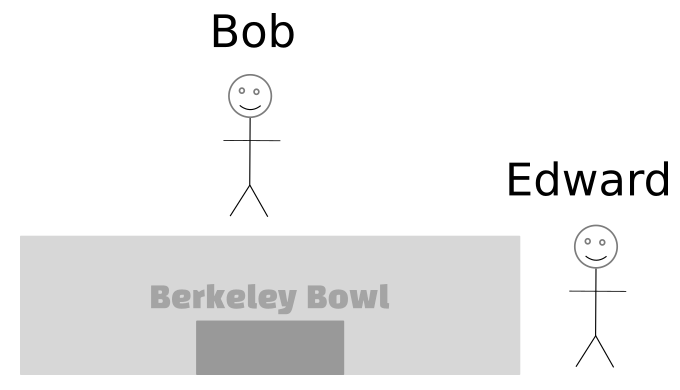
Imagine that this is the front of the supermarket:

To memorize six items, we need two letters from the title (“Berkeley Bowl”):

  • B
  • E

Those letters get turned into alpha characters (people, characters, or things that you’re familiar with). You can create several alpha characters for each letter of the alphabet. Here’s an example:

Letter Male Female Object
A Abe Amy Apple
B Bob Beth Box
C Charles Cindy Cantaloupe
D Dave Debbie Door
E Edward Elaine Egg
etc.

Based on the sample table above, “B” and “E” will get converted into “Bob” and “Edward” in this example. They get placed in a clockwise arrangement around your memory environment. (The front of the supermarket itself is the memory environment in this case.)

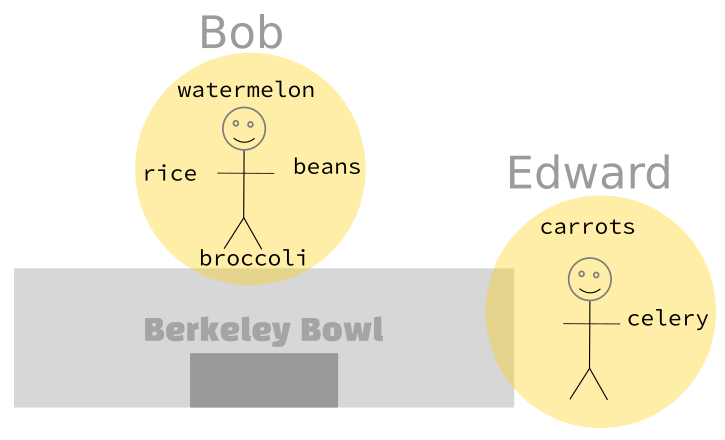
Bob and Edward each have four locations on them: top, right, bottom, and left (clockwise).

Here is the shopping list again:

  1. watermelon
  2. beans
  3. broccoli
  4. rice
  5. carrots
  6. celery

The first four items go on Bob and the last two on Edward:

Once you have that memorized, you can think of where you’re going (“Berkeley Bowl”), extract the alpha characters (“B” and “E” → Bob and Edward), and then visit the locations to recall the list.

I created my own alpha characters table that isn’t based on people I know. I think it would work just as well with fictional characters, cartoon characters, objects, or anything else that normally works in a memory system.

7 Likes

Hello,
This system seems to be efficient, but I wonder how to handle very common words, as “The”, “a”, “I”, “you”, etc.
These words are so frequently used that it would be difficult to put them in so many mind places (and there are lot of places in this system) without confusion.

1 Like

The system accounts for that difficulty. That’s where “substitute words” come in. Turn “and” into “hand”, “or” into “oar”, “the” into he(maybe He Man could be the image), and so on.

1 Like

I’ve tried to use the Lanier system in order to memorize some poetry; but I end up finding more useful to follow what classical writers on art of memory have said: memory of things are faster and easier.
However, indeed I could make good use of Lanier System placing general images instead of each singular word, because the system itself is a lot useful if one wants to save loci.

I made some alterations though.
First I substituted the Street for what I call Room Watcher or Guardian; it is basically a statue (placed, and would be better placed, in some kind of atrium or vestibule, after which there are all other rooms), which represents the Book, usually holding some object, which represents the Chapter.

Instead of a sidewalk, I imagine that, inside, in the center of the room there is another statue or monolith, which represents the Verse, in which there is a image sculpted or associated which resembles me the Title of the verse.

Then, in each corner of the room I placed my images.
It seems easier to me, since I was having problems with these streets, sidewalks and imagining people on the top of buildings.

1 Like

Of course, I believe you should stick to whatever works best for you, but I think you’ll find if you study the system and become well-acquainted with it, you’ll find it very organized, fast, and powerful.

Yes but I meant the high appearance’s frequency of “He Man” could be confusing.

Try substituting “the” for “tea”.

2 Likes

So I’ve spent a few hours learning about the Lanier system, and there’s one simple question I can’t seem to find an answer to. Suppose I use this system to memorize a chapter of the Bible. Do I use the same structure for each verse in the chapter, or do I use a different structure for each verse? If I use the same structure, then I will end up having to put dozens of characters in the same position (on the top of the house, for example), which is very difficult for memory retention. This is no different from using the same memory palace to simultaneously memorize a dozen different lists. In order to be effective, a memory palace should only be used for one list at a time. But if in the Lanier system I’m supposed to use a different structure for each Bible verse, then memorizing a whole chapter will require using 30 or more structures along the same street, which is also quite difficult considering that most of us can’t recall 30 adjacent structures on any street. Thanks for the help.

3 Likes

why we have four locations? can we add extra two locations? (back and front locations). we have 18 words not 12 words.

This is exactly my question, and I’ve read all the content I could find on here and watched all his videos 2-3 times. All I would need to know is an example of two verses in a row.

It seems like one structure per chapter with the items on the sidewalk differentiating what alpha characters are on the structure. Can anyone confirm this?

1 Like

I use this system to remember quotes with the people who said them and the exact dates of their birth and death eg. Marcus Aurelius, 12 April 121AD - 17 March 180 AD. This is how I do it:

  1. I use the ‘street’ which could literally be a street or just the very front of the area of the ‘structure’ for the person interacting with stuff to represent their DOB. I will use the number rhyme system if it’s a 1 digit number and the major system for 2 digit numbers. Then I use my month system eg. christmas tree for December which then interacts with the year date which I will use the same system again as I did for the first number of the date.

  2. The ‘sidewalk’ is literally a sidewalk or just a place that’s closer to the structure. I apply the same method as above except the sidewalk represents the death date.

  3. The Lanier system I use for the quote is as follows: I find a simple 2d picture on the internet for what closest resembles the person. Marcus Aurelius was a Greek Philosopher so I just searched Greek Palace. Then I count how many words are in the quote, just use ‘word’ for this. Then I divide by 4 to know how many alpha characters to use. The following quote is 109 words so I need 109/4 = 27.25. Round up afterwards so you need 28 characters. Then in order to choose the title, I multiply each letter starting from the beginning by 12 (remember female, male, object all hold 4 words) until I get enough letters for my title. So the title ends up being ‘Do not dwell’ which is 12 times 10 letters which = 120, plenty of space for my words.

Then I write down all the characters and 4 words next to each character. Then while I’m looking at the picture I chose from before, I make the story. Use words like ‘tea’ for ‘the’, the Fonz for ‘a’ etc. To make the story just do as Lanier says by going round the building as a clock. Check yourself by testing yourself on what the 18th word is etc. Hope I explained it well.

“Do not dwell on the past, for it is but a collection of moments that have slipped away. Do not yearn for the future, for it is but a mirage that eludes our grasp. Embrace the present moment, the only reality we truly possess. Let us cultivate inner strength, practice resilience, and find solace in the face of adversity. Life is ephemeral, yet within its fleeting essence lies the potential for greatness. Let us strive for virtue, live with purpose, and leave an indelible mark on the world. For in the end, it is not the length of our days, but the depth of our character that defines us”

I wonder if one could use the Dominic System in lieu of the Major System, for this technique.

Marcus Aurelius was not a Greek philosopher. He was a Roman emperor 161 - 180 AD.

1 Like