Boris Cuduco’s recent post on a list of resources for those exploring the concept of imaginary world building as a memory tool motivated me to share with you my own experience building a paracosmos and the steps I followed.
For those not familiarized with the technique, think of it as a big memory palace for your memory palaces. A set of regions with landscapes you design to store your mnemonic buildings and structures giving rise to towns, landmarks, and paths between them, where you can picture the house where you stored the numbers of pi from the window of the hut you were using for cards, wich you placed now on a beach or on a mountain. It’s fun, and I think, based solely on my experience, that it actually makes it easier to come with ideas for new palaces, and that it may work well for people who like to daydream and to sketch things (regardless of the quality of the drawing haha).
I built mine some years ago, for storing information about medical topics. Here’s how that worked:
1. As with all disciplines, medicine can be divided in several big units, such as Surgery, Internal medicine, Pediatrics, among others, and subunits like Cardiology, Gastroenterology, etc. Therefore, the first step is to make a list of all the units that you would like to include in your imaginary world. I started by brainstorming in a piece of paper, and then looking for the table of contents of some important study books to make sure I was covering the important things.
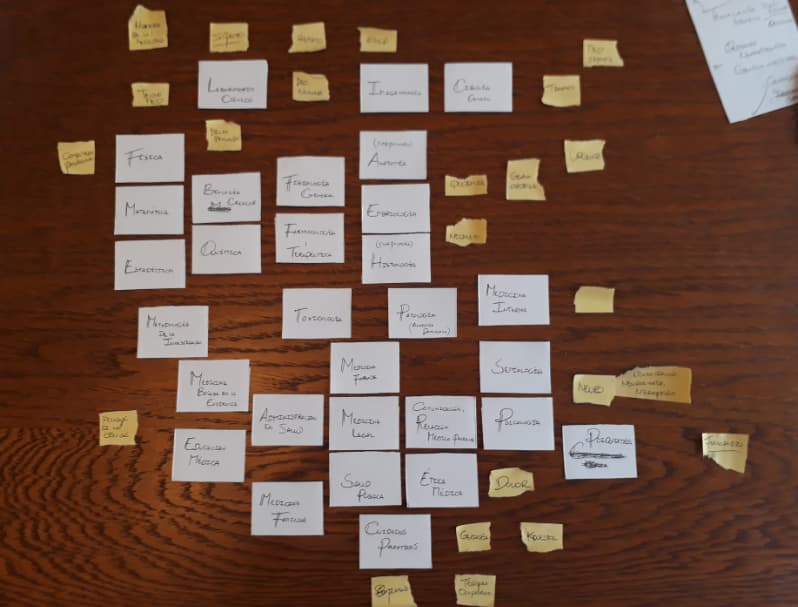
2. Once you are done with that, reorganize the list on a flat surface by grouping together things that you feel are related to each other. That’s important, because since it’s your world and it should make memorization easier, things need to make sense to you, and not necessarily follow conventional relations, like those followed in teaching curriculums.
For example, rehabilitation medicine as a chapter is something you could place in a cluster with orthopedics if that’s your focus of interest, or next to neurology and geriatrics if you think more about older patients with stroke (cerebral infarction), or next to pediatrics if you’re interested in children with dissabilites, or family medicine if you mostly frame it as a key part of a communitarian health perspective.
A great tool for this is working with an Excel, moving around cells until you are happy with the result. Before that, though, I recommend to start iterating by playing with some pieces of paper on a table. It’s kind of like solving a puzzle in which you manage to get every topic as close as possible as other related topics.
This was in february 2018. Seems like I ran out of nicely cut papers and just got lazy.
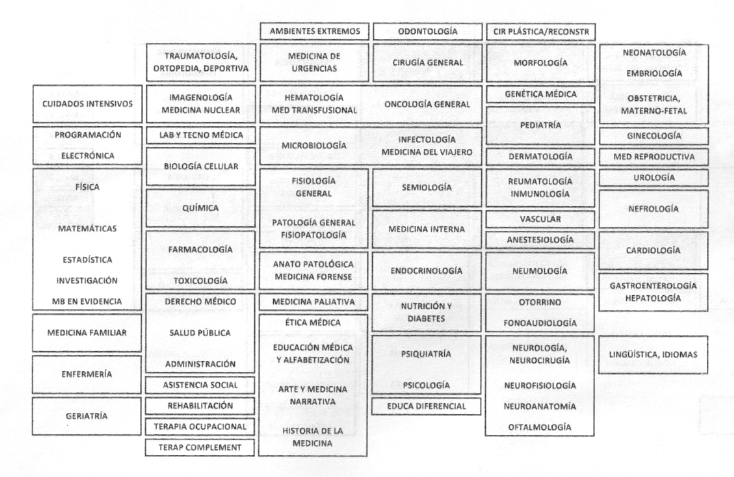
I then continued the iteration by transfering my work to Excel. At this point, you’ll probably have tons of different units, so I’d recommend trying to reduce the number by merging some of them together, and clearly grouping those that could work as a single cluster. Here’s what I ended up with (the pictures are in spanish, but the detail isn’t relevant, I post them to illustrate the process):
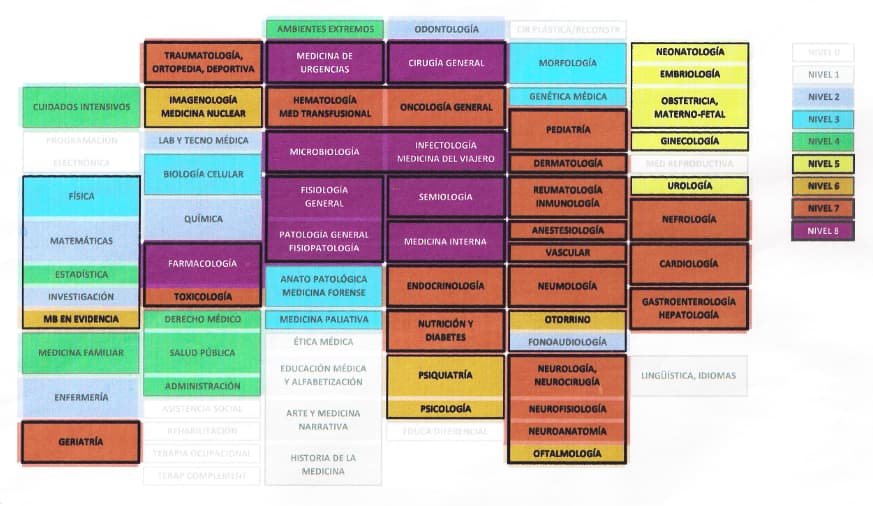
3. Now, as much as you might care about a broad range of subjects, not all of them will have the same practical importance for you. The way I factored this in my world-building process was by assigning a score to each group. The greater the number, the more relevant the unit. I then represented this in my spreadsheet by assigning a color to each score, and painting every cell accordingly.
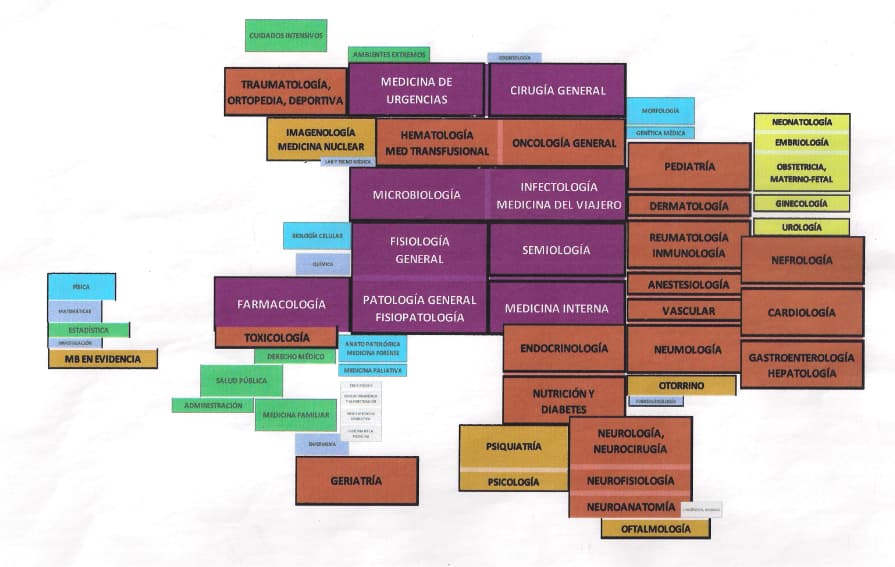
4. So far so good, but if this was going to be the map of something, it still didn’t convince me. The worlds we are used to in reality and fiction don’t come in nicely packed rectangular blocks (unless you wanted them to be that way). A world is an irregular mess of regions of different shapes, which adds some flavor to it, and I think is a property that, since the borders becomes distinguishable from each other, makes it easier to memorize things on it.
In order to break the regularity of my map, I got the idea to take the colored clusters from excel and paste them as pictures in a powerpoint slide. The maximum score was 8, so I selected all the pictures of score < 8 and shrinked them a little bit. Then I selected again all those with score < 7, and shrinked them some more. Then for those with score < 6, and so on. I didn’t follow a strict rule of score-to-size relations, I just went on with what look smaller than it looked before. Once I was done, I took the blocks that were drifting apart because of the gaps created in the resizing process, and placed them again side by side.
Here’s the result.
5. I was starting to feel it was going somewhere: now I had a sort of map with regions clearly distributed. What was missing was the feel that it was an actual world, and not a cluster of cells. So it was time to go back to paper and try to imagine what kind of place could be represented like the shape I made.
By using powerpoint’s picture-editing options, and giving a shadow to the whole shape, I ended up with a blank silhuette.
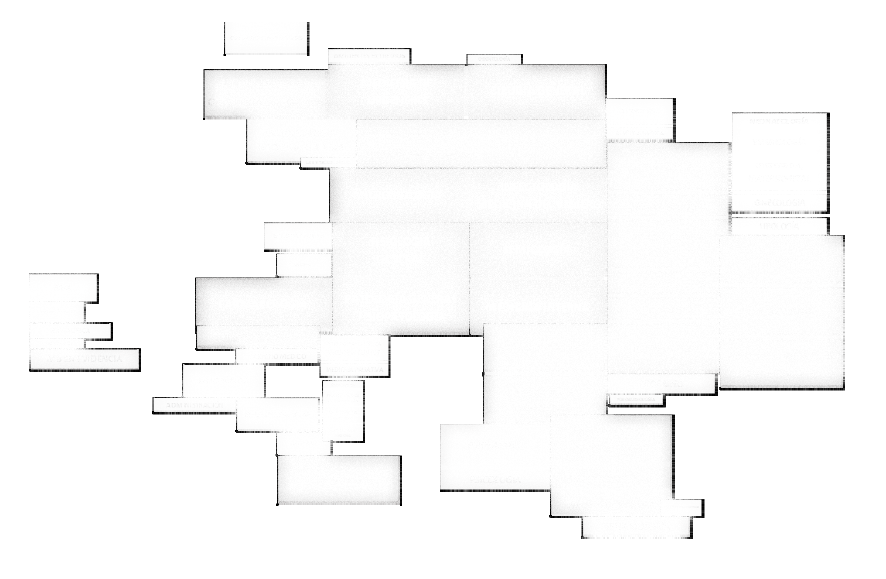
6. I then printed this as a 4-pages poster and pasted it on a wall to just stare at it until something happened. Being blank, it allowed me to write things on it and sketch some ideas.
I happen to enjoy sci-fi movies that transcur in space and (spoiler ahead) I had recently read the book “Los Altísimos” (“The superior ones”) by Hugo Correa, which involves an alien civilization that traps another one in a huge planet-shaped vessel; so it comes to no surprise that when I finally got an idea of what that shape could be, it turned out to be a space ship. One as big as a small planet, with huge continental blocks on top of it and a control center in its front. After some more sketching, here’s the result.
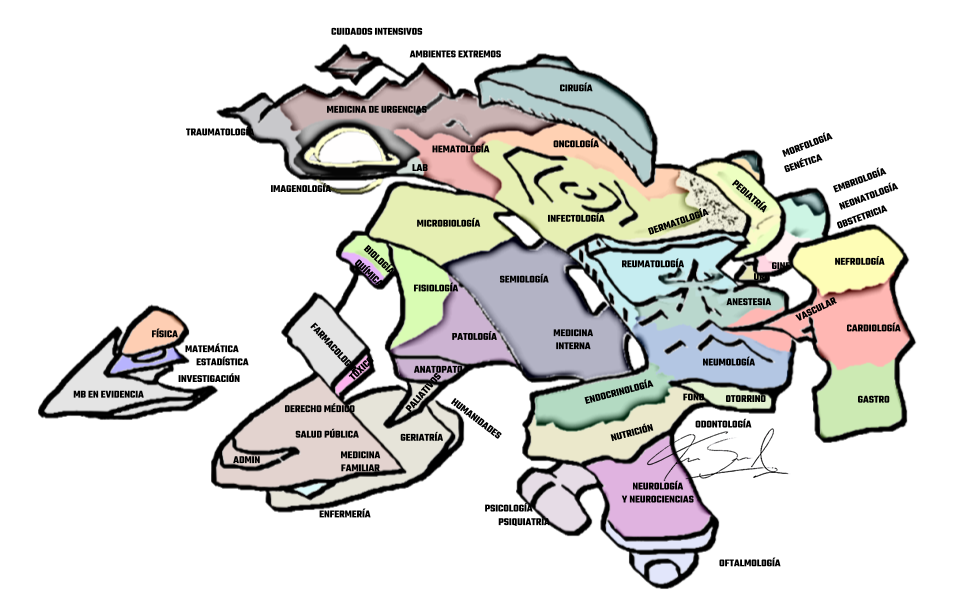
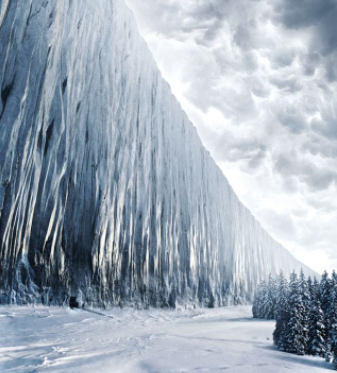
Since I now had a world to build in, I could picture different regions as having different landscapes, such as Internal medicine in the center being a big metropolitan area, neurology being a jungle, at the end of which rests an astronomical observatory which corresponds to ophthalmology; or rheumatology/inmunology being a frozen land (containing for example the ice wall of Game of Thrones), right next to dermatology, a hot desert.
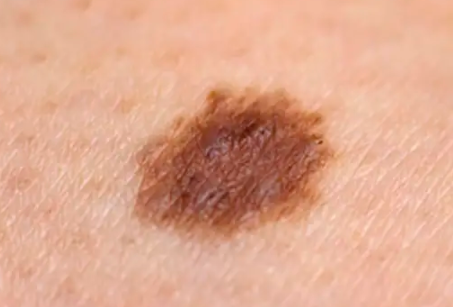
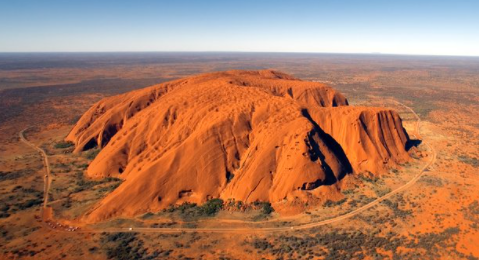
The paracosmos started as a way of hosting my previous palaces, but ended up providing ideas for future ones that just made sense in the context of the created world. For example, when I studied melanoma (skin cancer), it felt natural to store some mnemonics in Australia’s Ayers Rock.
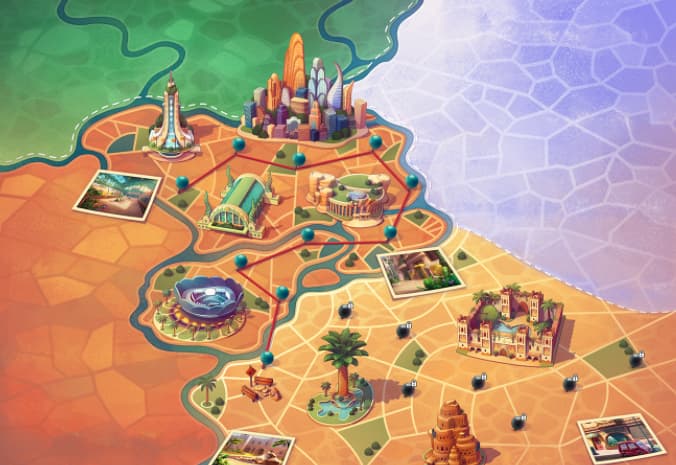
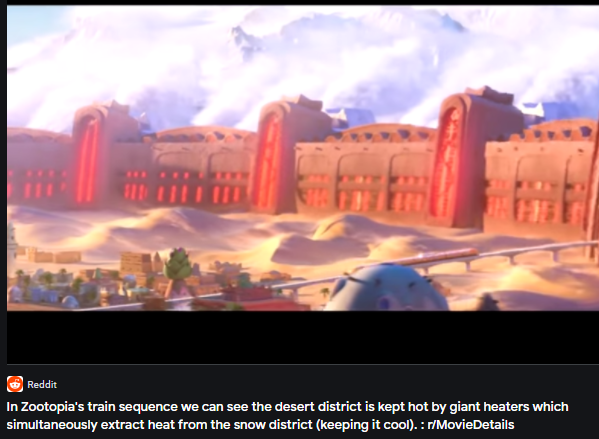
For instance, Zootopia’s city now exists between those last two units, and it just makes sense to store in it autoinmune diseases related to skin, like Lupus, since it merges both worlds. It wasn’t something I planned, it kind of came as a surprise, since I enjoyed the movie and just wanted to find a place for it in my world.
But that’s enough with the examples, it may be topic for another post. I’m looking forward to know about your own paracosmos if you’ve got one, or if you’re interested in creating your own, I hope these steps help you out! 
