I saw a blog post on Brain Sports Academy [use Google Translate] about memorizing the constellations and thought it would make a nice memorization exercise. I think that kids might also like it. If you want to try it, leave a comment below!
I was first going to memorize them in order using a peg list. A memory journey would also work.
I figure that I should start with a smaller task before going out to look up the star charts and pictures, but it should be easy enough to add them by using Wikipedia (example page).
My pegs are based on my 3-digit number system. After I have all the mnemonics created, I’ll link everything together. (I didn’t have time to finish the list yet.)
You can download an app to your phone called SkyView. It’s really amazing - you point your phone at the constellation and it will display a map of that part of the sky including satellites, stars, planets, etc.
Also, just looking at the list above, I wonder if an alphabetical list is optimal. If I were to use a memory palace I would consider learning them in the order they appear in the sky across the ecliptic. Or even using the sky itself as a memory palace - ie find easily recognizable constellations and then map the names from them.
Must try this.
I suspect that not just memorizing the list but actually recognizing them in the sky will point to a nice order to remember them in. A great little oroject
I love this challenge!! Not only does it cover constellations, but it’s exactly the same number of notes on my piano for which I already have images and don’t ask me why but I have an urge to link both
Started noodling on palaces and such.
In many ways, PAO is a form of memory wheel with 3 elements.
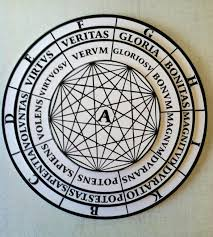
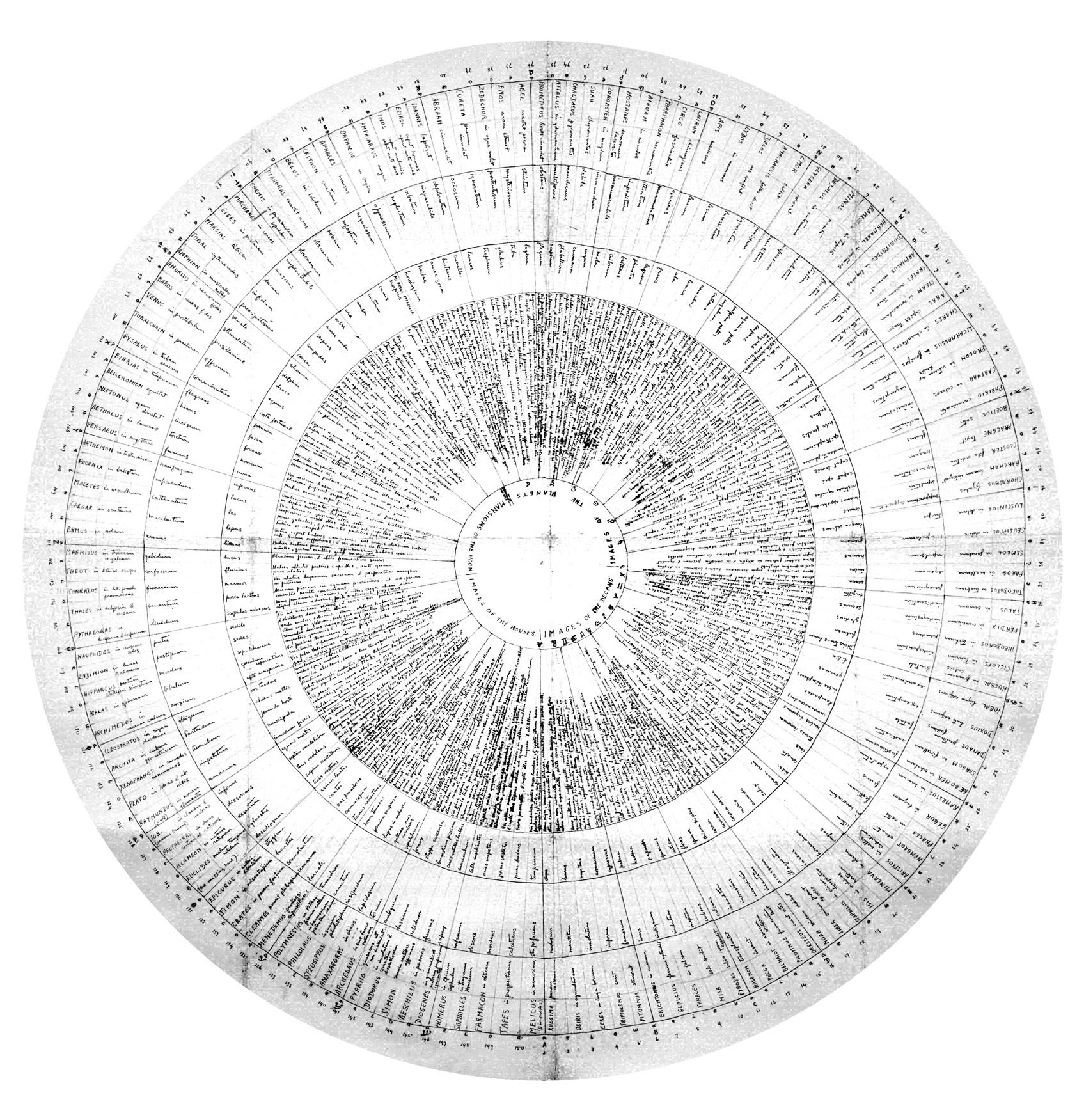
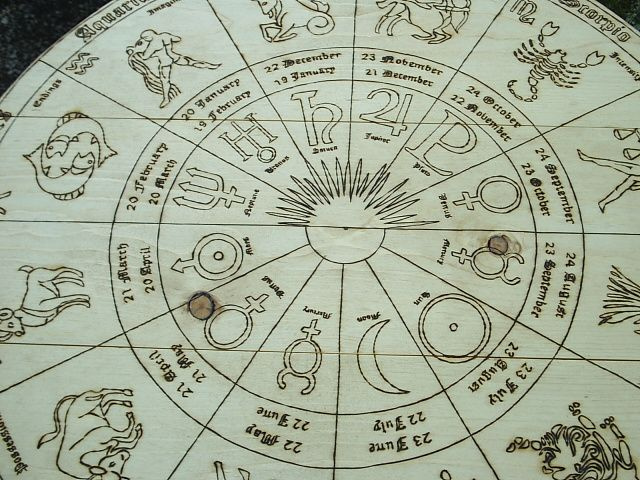
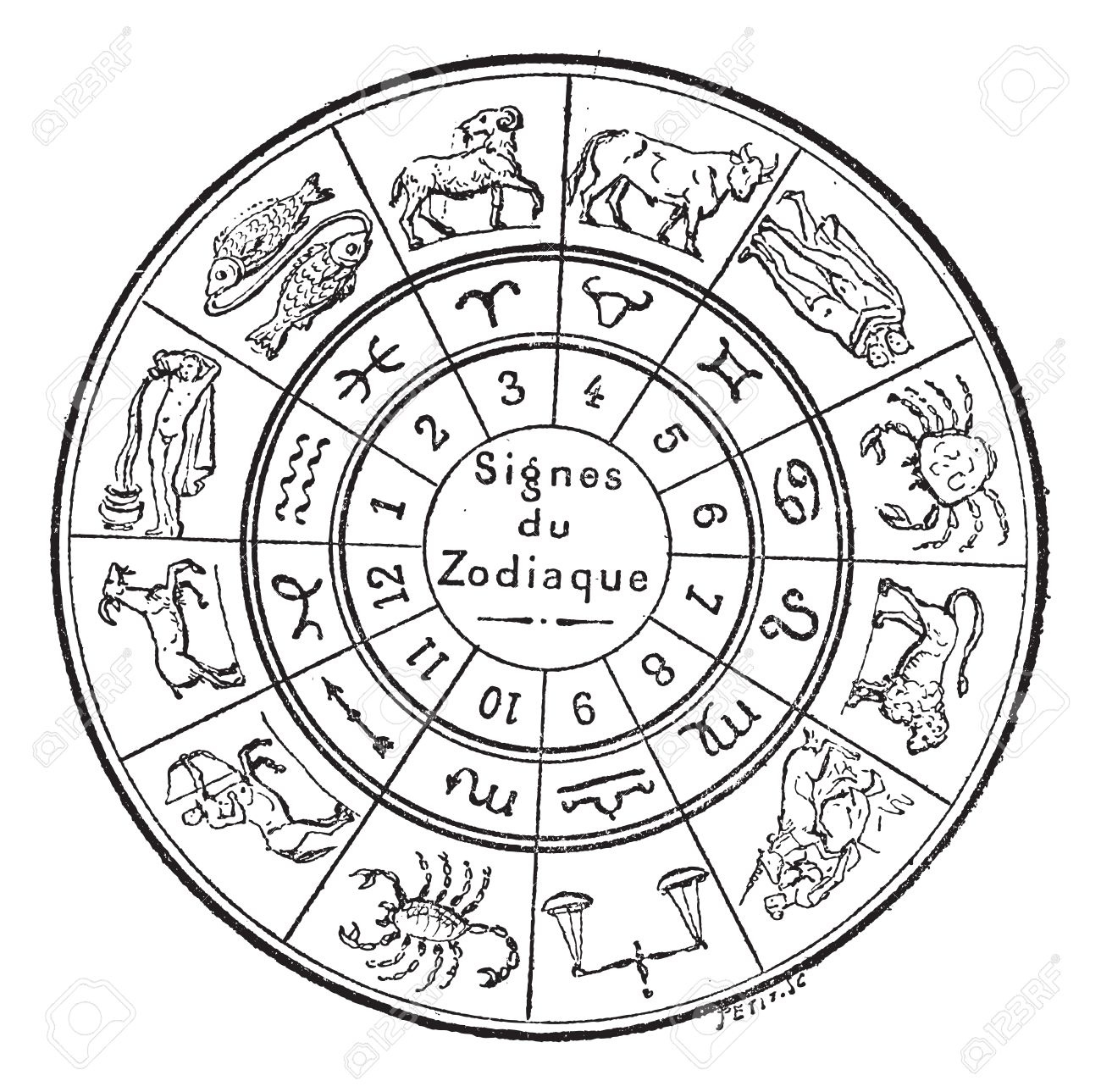
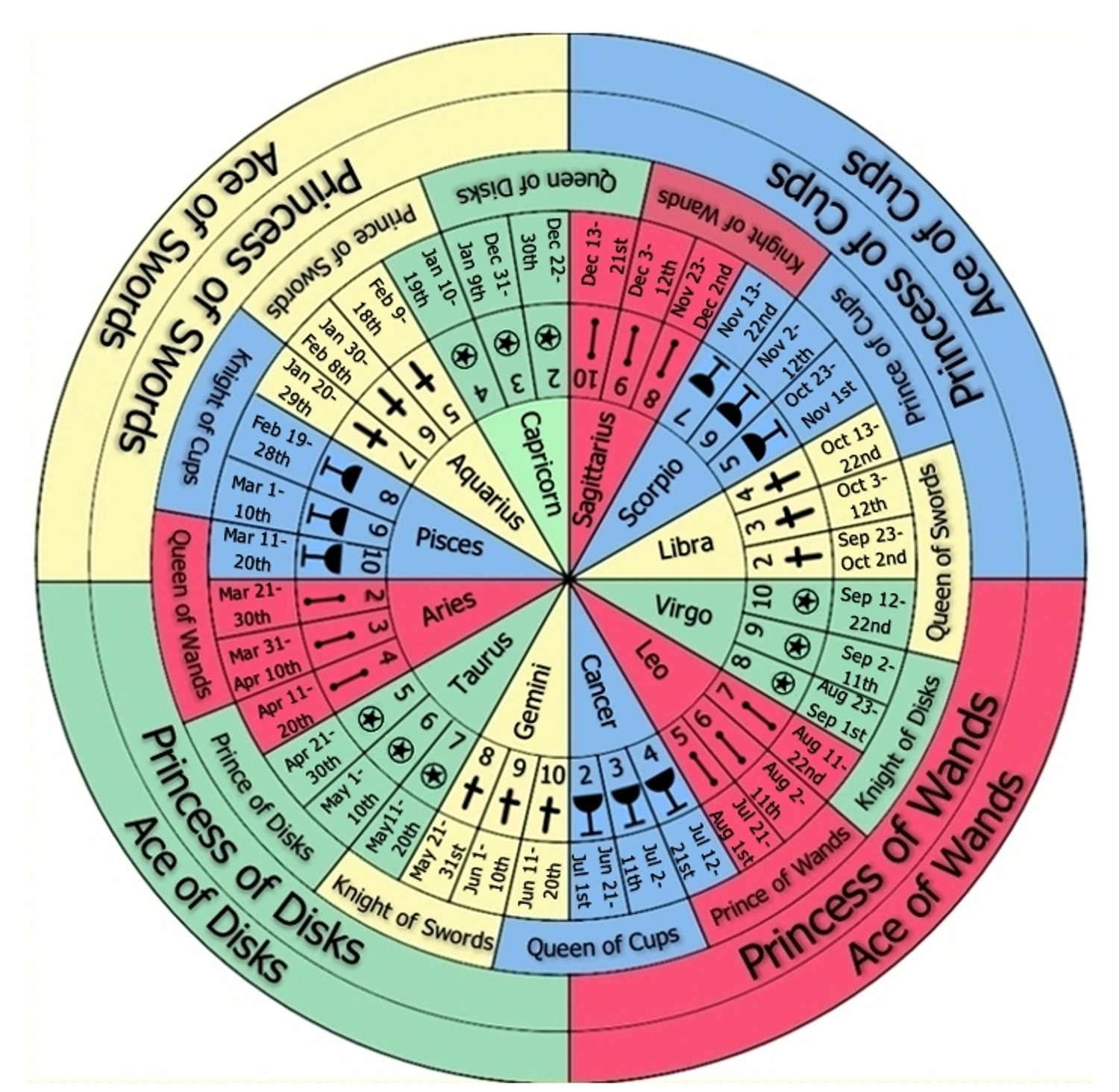
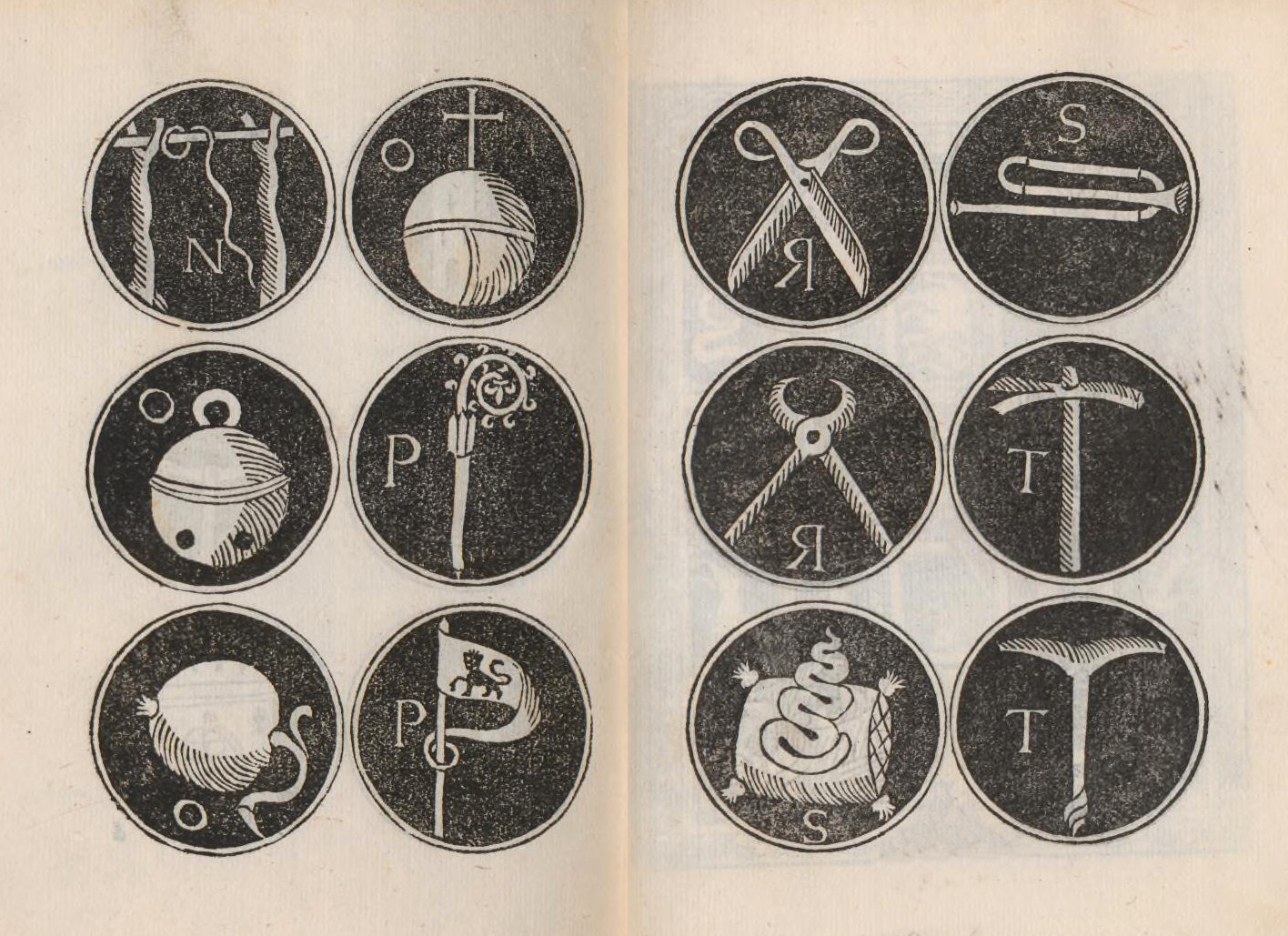
By using the idea of a memory wheel that has a physical location you might be able to trivially develop journeys. For someone who liked the arcane flavour, it could be astrological but like the constellations, it could also be physical. Like the lukasa, you could do a nice little woodworking project and create something that looked quite magical if you wanted to show off. Like the Lullian or Giardono wheel or funky like the astrological wheels
I’m not much for creativity but a 3 or 4 wheel system that starts with loci could pretty much generate as many interesting trips as you like. I have some crappy Samsung 3d goggles around here somewhere and I am almost certain there are applications for astronomy that are actually quite cool.
Haven’t quite thought through the other wheels yet and I have always been one of those people who have terrible person recognition skills/talents so the P always annoyed me. My wife knows all the actors and I have always been amazed by people who simply remember other people. For me, they are mostly a blur. Borderline something or other I suspect. 3 or 4 wheels of 80 elements should create more than enough pegs for the better part of a lifetime given you can reuse different journeys in different contexts.
It would be nice to have a personal memory system with a bit of flavour.
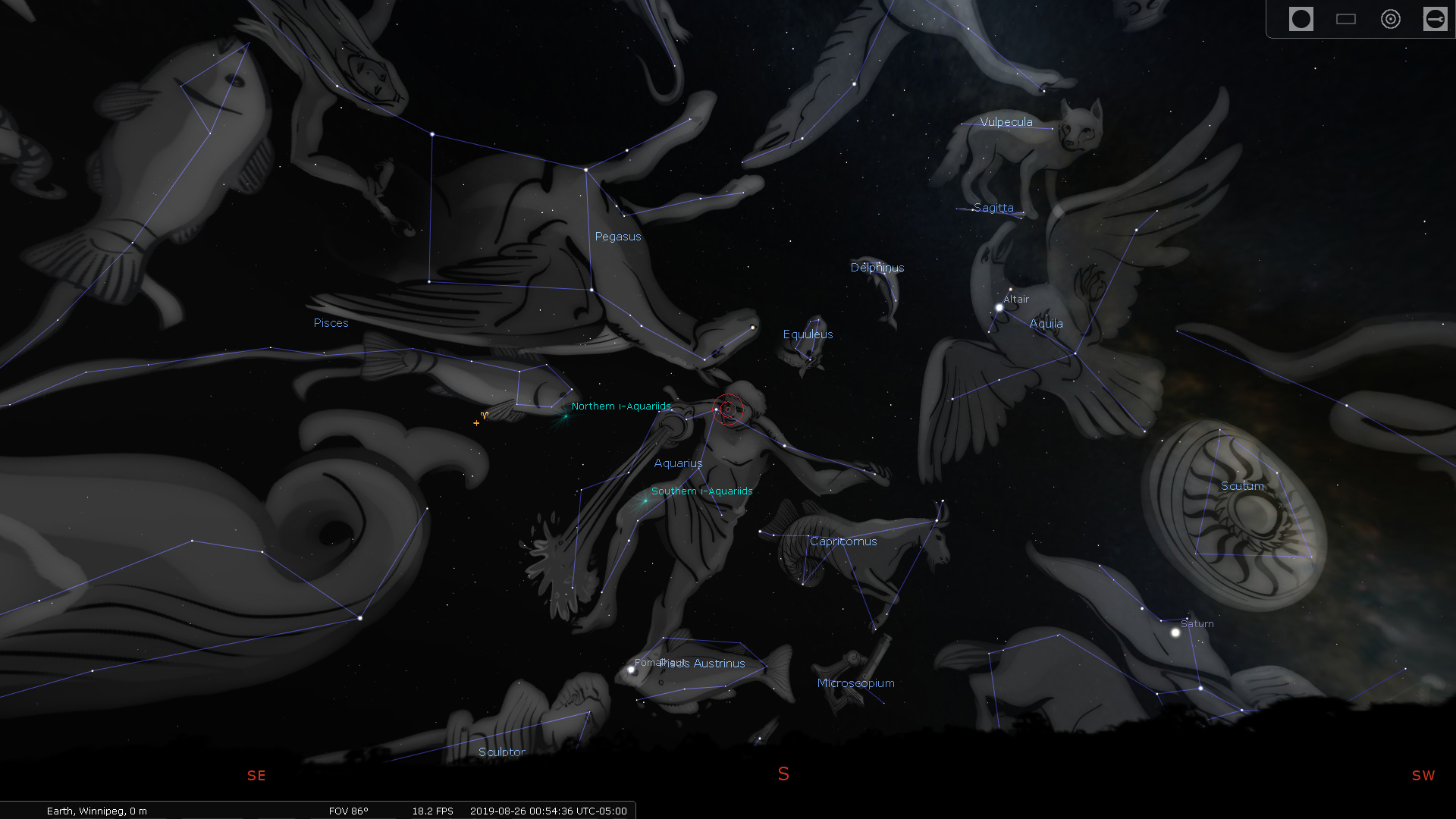
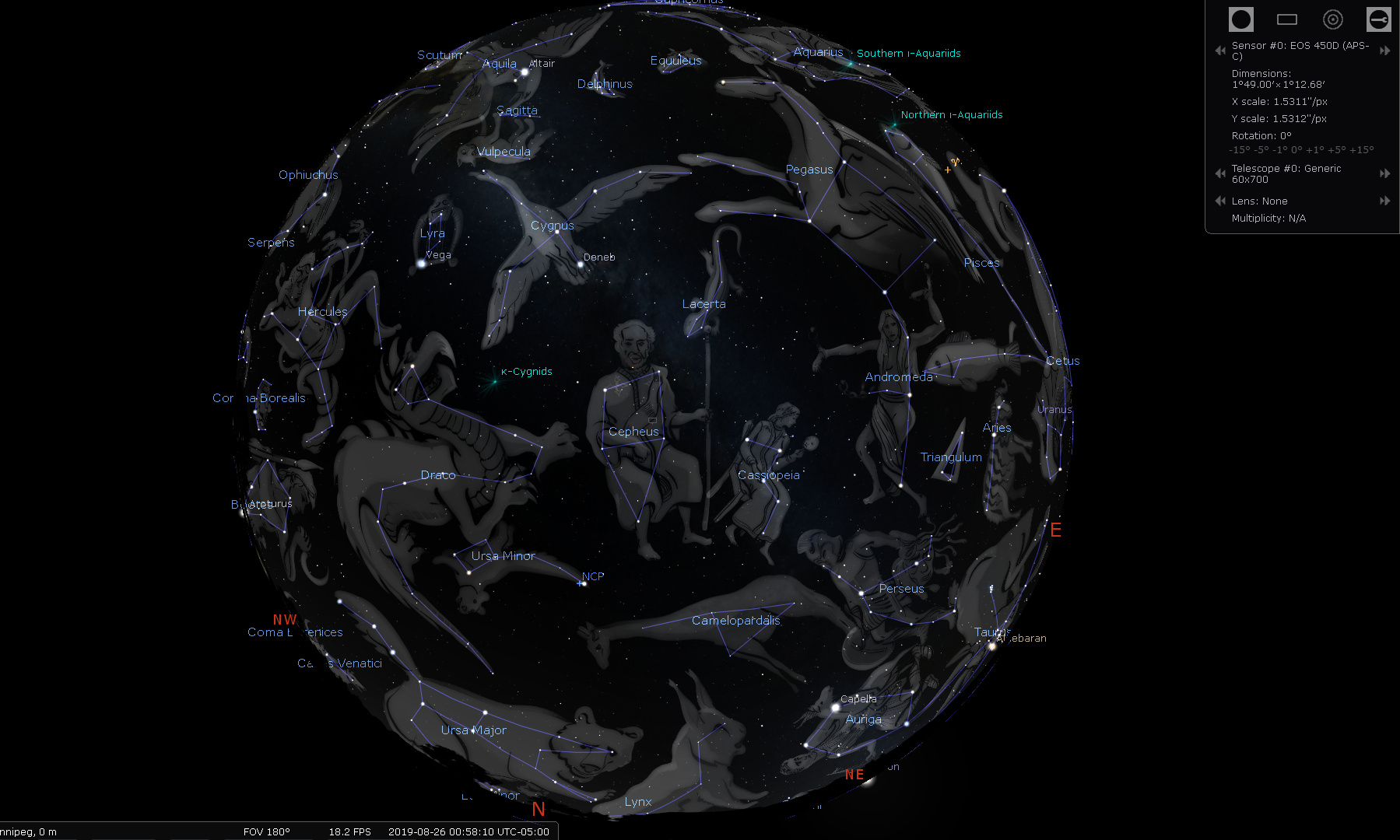
One more just for pretty… I downloaded the open source stellarium application … A view of the sky above my house. I suspect those shepherds knew what they were doing.
Almagest by Claudius Ptolemy’s included an amazing 1022 stars and 5 planets in his astronomical treatise dying in in Alexandria around AD 168. His accompanying book the Tetrabiblos was the basis for Astrologers for the next 1000 years.
{On the order of the theorems}
In the treatise which we propose, then, the fii’st order of business is to grasp the
relationship of the earth taken as a whole to the heavens taken as a whole. In
the treatm ent of the individual aspects which follows, we must first discuss the
position of the ecliptic‘s and the regions of our part of the inhabited world and
also the features differentiating each from the others due to the [varying]
latitude at each horizon taken in order.** For if the theory of these matters is H9
treated first it will make exam ination of the rest easier. Secondly, we have to go
through the motion of the sun and of the moon, and the phenomena
accom panying these [motions];’ for it would be impossible to e.xamine the
theory of the stars® thoroughly without first having a grasp of these matters.
O ur final task in this way of approach is the theory of the stars. Here too it
would be appropriate to deal first with the sphere of the so-called ‘fixed stars’, - Ptolemy circa AD 168.
The 12 signs of the zodiac in addition to being astrological dissect the sky map into 12 30 degree segments.