Are you trying to create a memory palace using orders of objects and things? You can use numbers, letters, etc., but use symbols to organize them. It can also be a story or a real memory palace, but you’ll have to review it until it becomes instinctive, which takes practice. I have palaces with up to 100 characters starting with A, B, C, D, etc. You can also use the larger numerical system; I have one developed up to 1,000 objects. Another one uses characters but expanded to include man, woman, animal, action, and object, from 00 to 99, which gives me about 500 (500 if it’s for memorizing numbers, since I don’t use actions if it’s for memorizing information). There are many ways to do this; it can be movies, books, etc. For this, I use a grid in the six areas of a room (it must be a square space, this is my preference). Each area is divided into nine compartments or (3x3), so each wall holds a frame from a story. This method is good for… Multiplying spaces and memorizing a lot of information in one place, since 6 x 9 = 54 loci, and if it has 10 rooms, that would be 540 loci, vividly imbued with the stories incorporated. For example, a room with Goku, Majin Buu, Cell, Gohan, etc., could have a still from a story like Gohan vs. Cell, Golden Frieza, etc. It’s as if the room were full of posters or pictures, but vivid and dynamic.
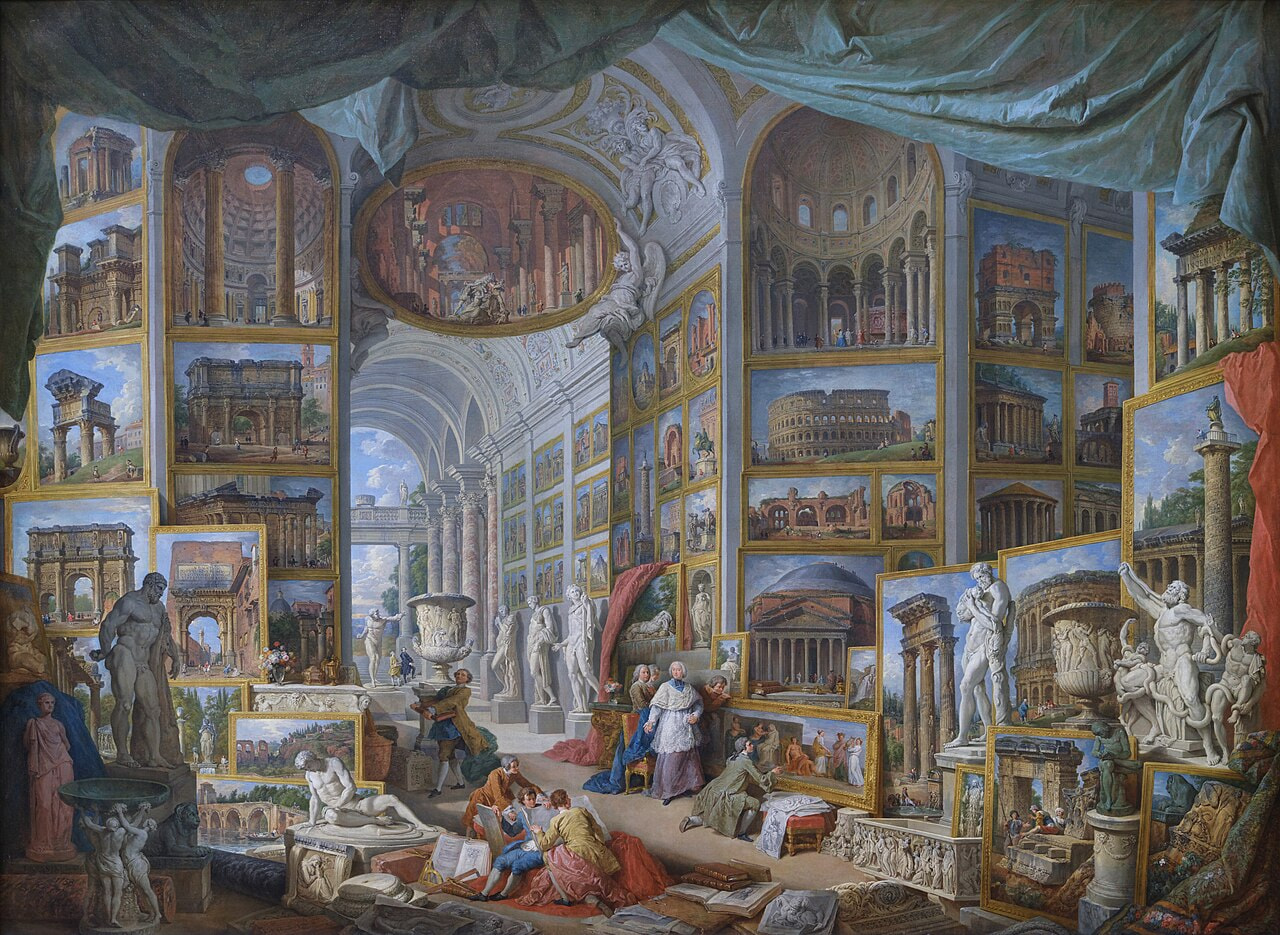
*Giovanni Paolo Pannini, Gallery of Views of Ancient Rome, 1758
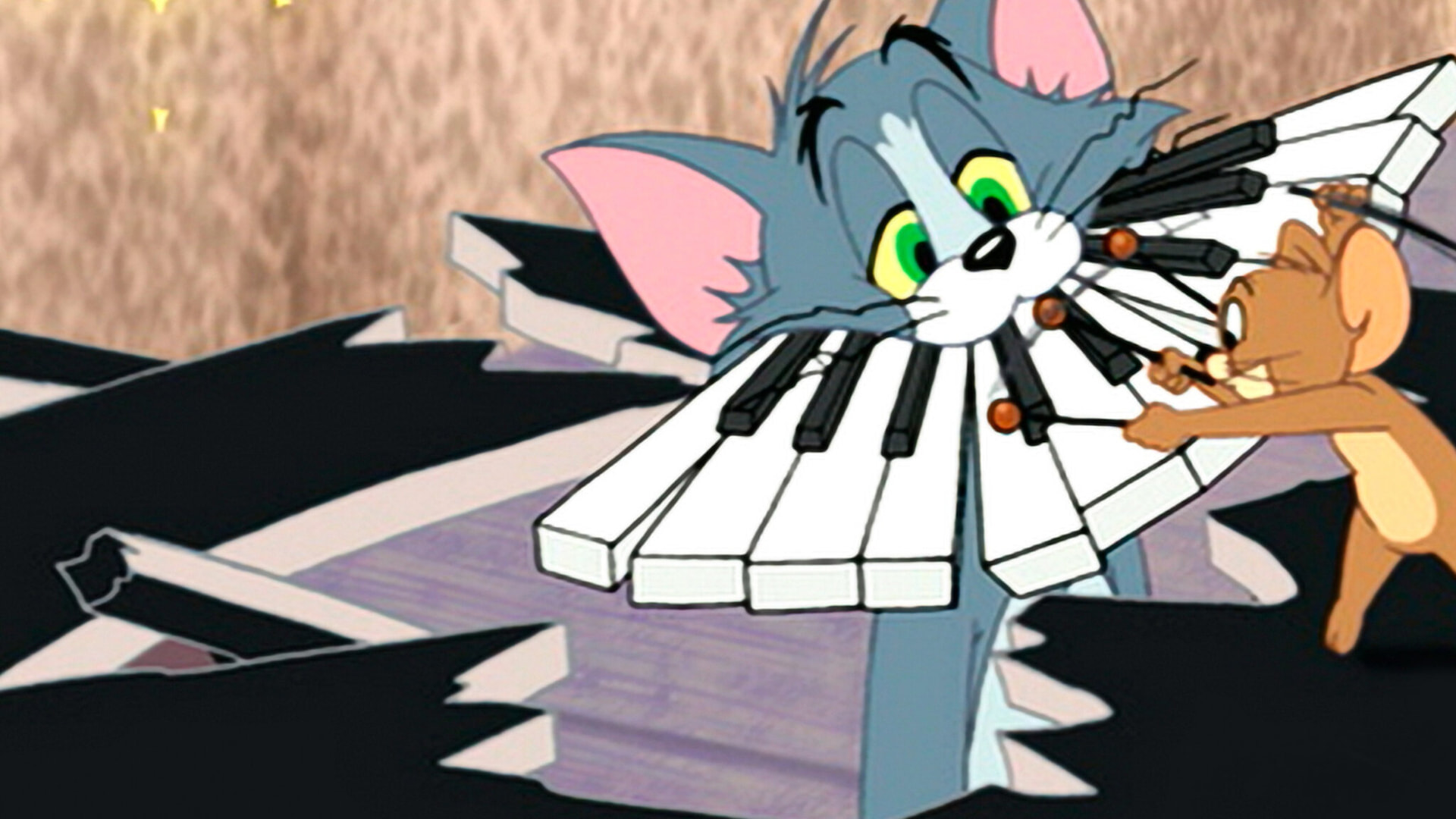
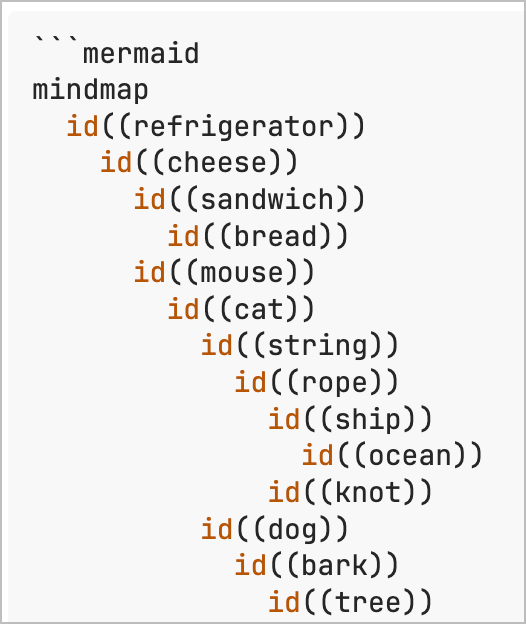
Or is it just a random list for practicing free association? If this is the purpose, simply create cause-and-effect associations. For example, the refrigerator opens and a cheese falls on a mouse’s head; a cat notices the mouse’s presence when it yelps from the impact… etc. It’s easier to do than to write; imagination is usually faster. But you’ll adjust the story so that everything fits together; it’s like a puzzle. Then, make revisions according to your needs, whether it’s for short-term or long-term memory. Revisions using the memory palace are usually for longer periods, but it depends a lot on your experience using the methods, since many beginners create abstract images that are harder to retain because they aren’t entirely sensory, but rather part of a concrete idea and another not so concrete one.