Hi Lynne and thanks again for the nice words. I understand what you say about expectations and priorities. The thing with the time allocation and management, comes ultimately to one word: choice.
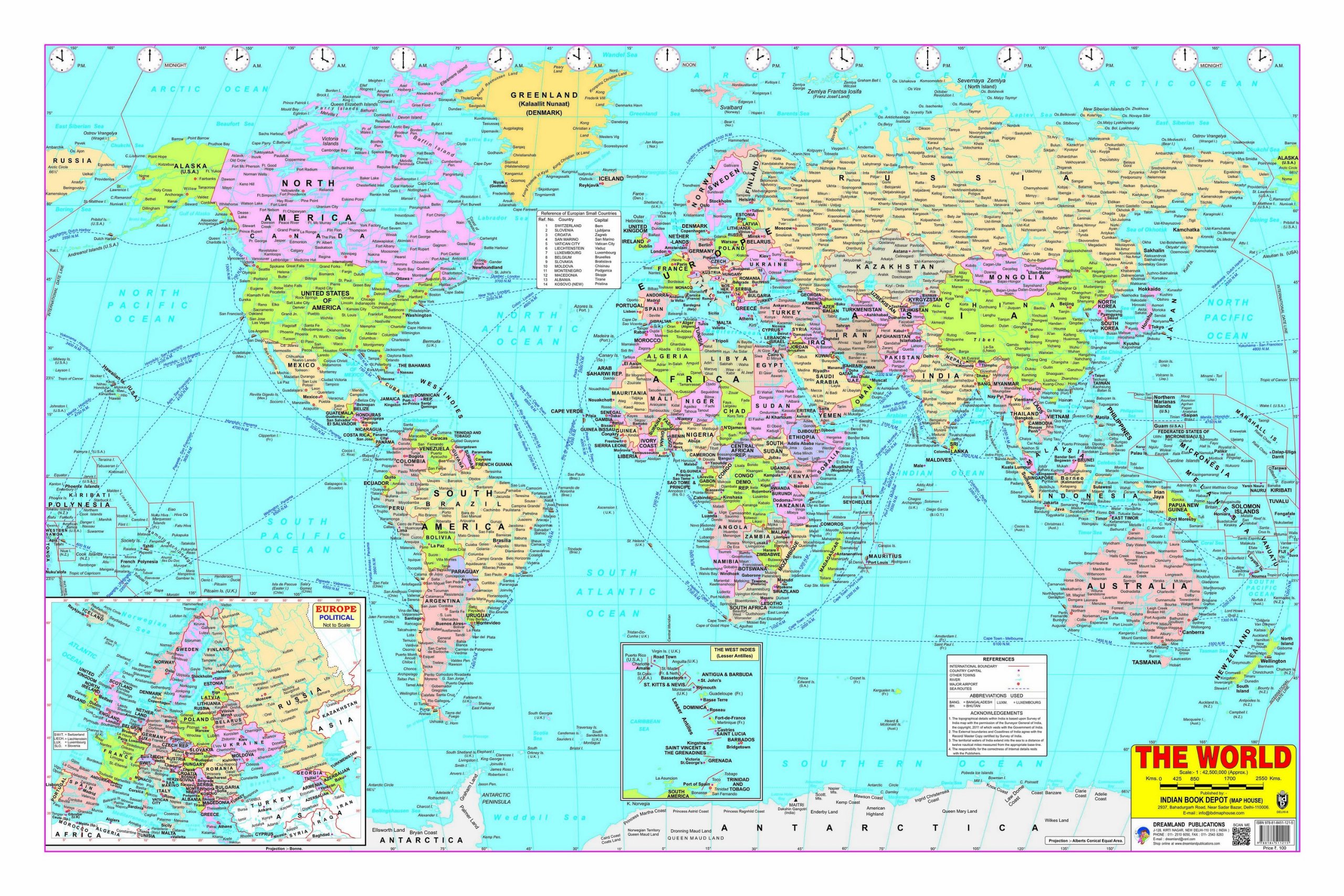
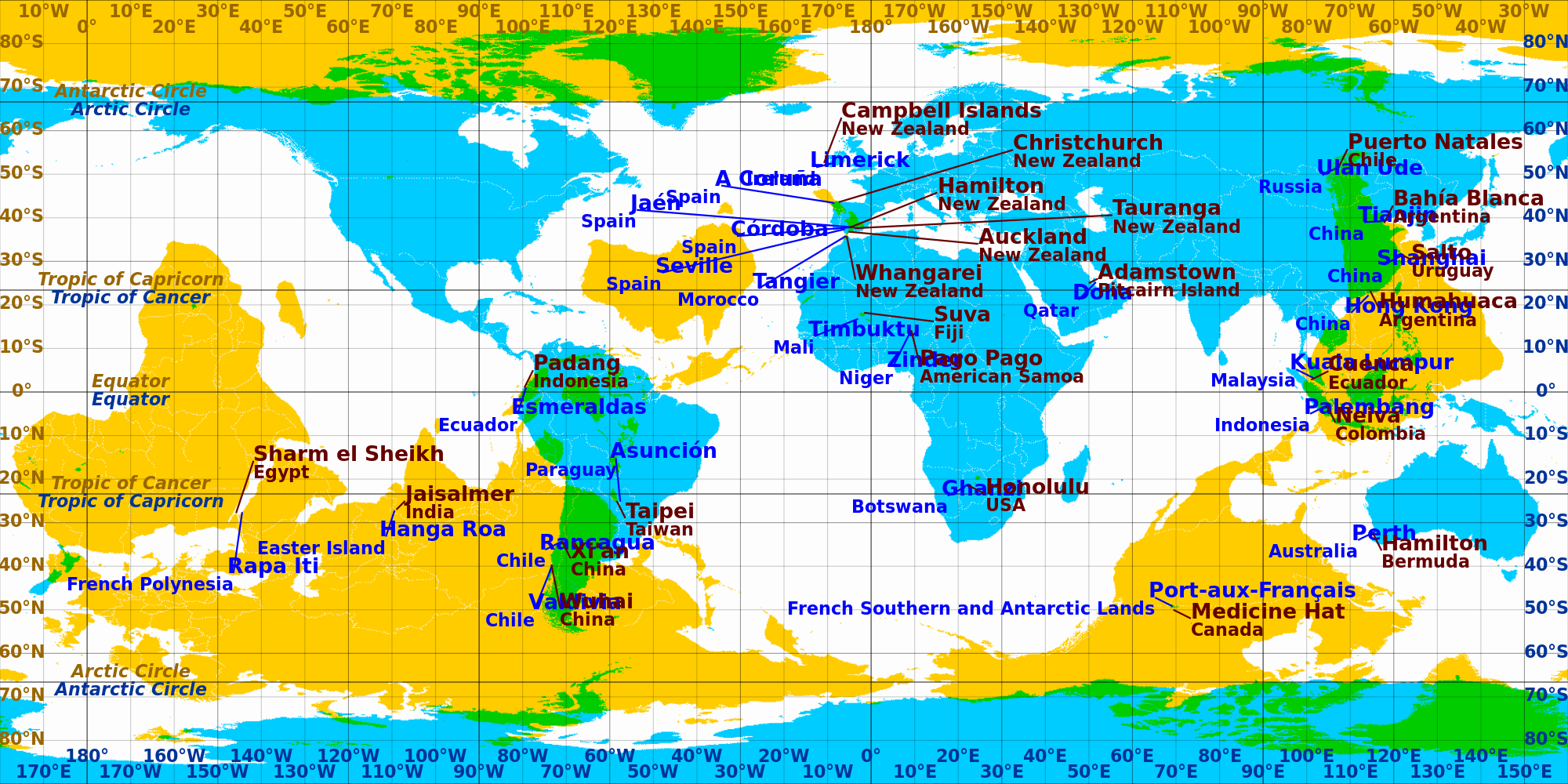
So, I choose to devote a few time to some things like this geographical test, because it ultimately offers some further crystallised (factual) memory and knowledge which is objective and rarely changes.
Therefore, I prefer to do such short tests (whether it be geographic tests, mental calculation or other puzzles), because they score and present the result immediately after the test. For me that’s a better pastime over (let’s say) watching a fiction episode of some tv series. And besides crystallised knowledge, there are also fun as a game and they are close to entertainment as most games. Furthermore, they give motivation for self-improvement by pursuing bigger scores and more map knowledge. It’s not like Travelpod is a random game like FB’s Candy Crash or Farmville. That travelpod geography map game which I described earlier (http://www.travelpod.com/traveler-iq ) is a ’ trivial pursuit-like’ game based on knowledge of geographical reality.
In my opinion, the world atlas may be a much more objective place to create and build upon loci and a memory palace. Because the world atlas is more permanent and never changes, unlike one’s room, neighbourhood, town, city which can change a lot over the years, and ruin the original memory palace. In contrast, the world atlas needs millions of years of tectonic plate activity in order to change a shape (of continents and locations). So, yes, I agree with you that the world atlas may be great for mental journeys and (factual) loci placements.
I guess the Romans were unlucky that they did not have such great geographic atlases like those we have today, so they only had to make their memory palaces based only on the routes in their neighbourhoods and cities and not the actual planet and the global picture. But nowadays, it’s even possible to build a memory palace from intercontinental air-flights (or train routes or urban highways) which have fixed routes on the map.
About time pressure, yes I agree for some people it may be an obstacle for pure thinking. But ‘time’ is always a factor of life and it’s not endless. In this Information Age, time and speed are important factors. Learning to cope under time pressure is a skill I enjoy a lot, and this ‘time presure’ happens in almost all the spectrum of professional sports.
Even in amateur sports like the World Memory Championship, all events are scored with mainly two factors: 1. Accuracy and 2. Fastest Time
Sorry for the off-topic, but the things which I described, I believe they are also loosely related to the acquisition of geographical knowledge in general, that’s why I drew such analogies.
Nodas