Greetings, everyone. I was going to try to learn 1000 vocabulary words by using Mnemonics. The words are from my native language. I was going create a memory palace and create visual images base off of the definition of the word for example : abate (v) - to lessen; to lower the intensity. For this definition I was going to think about waterfall because it is bringing water down. Then I was going to review the words with SRS program. I was wondering what y’all thought about this.
2 Likes
I would suggest:
- Put them in the SRS and start learning them.
- For any that don’t stick, try to find an explanation that links them to other words.
- For any that you don’t find an explanation for, make an arbitrary mnemonic like you described, e.g. with your waterfall image.
2 Likes
How should I study them with the SRS? I was thinking about studying them for one hour a week.
The apps tend to recommend you learn only 15 unfamiliar words per day, in order to avoid having a massive workload a few days later. If you wanted to spend more time, you could increase this a little, but your time might be best spent identifying the challenging ones and finding patterns or maybe mnemonics.
Out of the 1000 words, you’ll already know some of them. So I’d advise starting by just going through the list and testing yourself on everything. Put the easy ones in the SRS first, and the system will help you keep them in memory.
Then the ones you don’t know, divide that number by 15 (or more, if you will try to commit a little more) and that will tell you the minimum days you need to spend. For example, if there are 600 you don’t know, that’s 40 days.
I don’t think you’ll need to study for one hour per day, but you should continue for a while to enable these words to stick.
2 Likes
Since there is not a successive order in foreign language vocabulary like a list of the U.S Presidents or the list of Ancient Near Eastern Kings I personally would not recommend creating memory palaces to learn words. You can create images/associations to help you remember the word and place it in a spaced repetition system (SRS) such as Anki. Perhaps a palace would be appropriate for certain languages with a ton of irregular conjugations or languages heavy in cases such as German, Russian or Georgian at the beginning stages.
For example, Ricordare - means “to remember” in Italian. Ricordare almost sounds like “Record” in English. The association/image, using a phone to “record” with a voice recording app “to remember” something. On the Front Card - “To Remember” and on the Back Card - “Ricordare” with a brief summary of the association: iphone voice app, to record something in order to remember it. I would recommend putting your native language on the front card and your target language on the back card in order to practice “Active Recall”.
My recommendation for learning languages is to focus primarily on immersion (reading and listening to a lot of texts that you find interesting) rather than memorizing a huge list out of context and putting the unknown words into a Spaced Repetition System. Check out the YouTube channel, Matt vs. Japan, he has interesting videos on the philosophy of language learning. He promotes a method of language acquisition known as Refold. Matt learned about 10 Japanese words a day over the course of 10 years through SRS and immersion.
3 Likes
One option is to use Memrise or Anki.
In both apps you can upload your list of words.
Since both apps specialize in learning languages, your vocabulary list might already exists.
1 Like
I know I’m still considering doing 1000 a day. If I was to study 15 words a day ,when would I restudy them and for how long?
I like the ideal of creating images as well. Do you think that memory palace would be better then creating images/ associations? I think it would be easier for me to do because the vocabulary list is in alphabetical order.
You would restudy them when the SRS system tells you to—that’s the purpose of the SRS.
If you study 15 new words per day (you can probably do e.g. 25 if you’re dedicated) then on e.g. day 18, you’ll have to revise some words from earlier days too. You might have 10 from yesterday, 3 from the day before, 5 from the day before that, etc., for e.g. 61 in total.
Whilst that is technically true, you shouldn’t really think of it this way. I’m only guessing but based on your example, it looks like an SAT words list (or something along those lines) to me. Therefore, it’d be wise to treat it like the foreign language that it is – i.e., either Latin or Old French. Thanks to 1066 and Shakespeare a lot of the so-called “advanced” English vocabulary comes from either of these two languages.
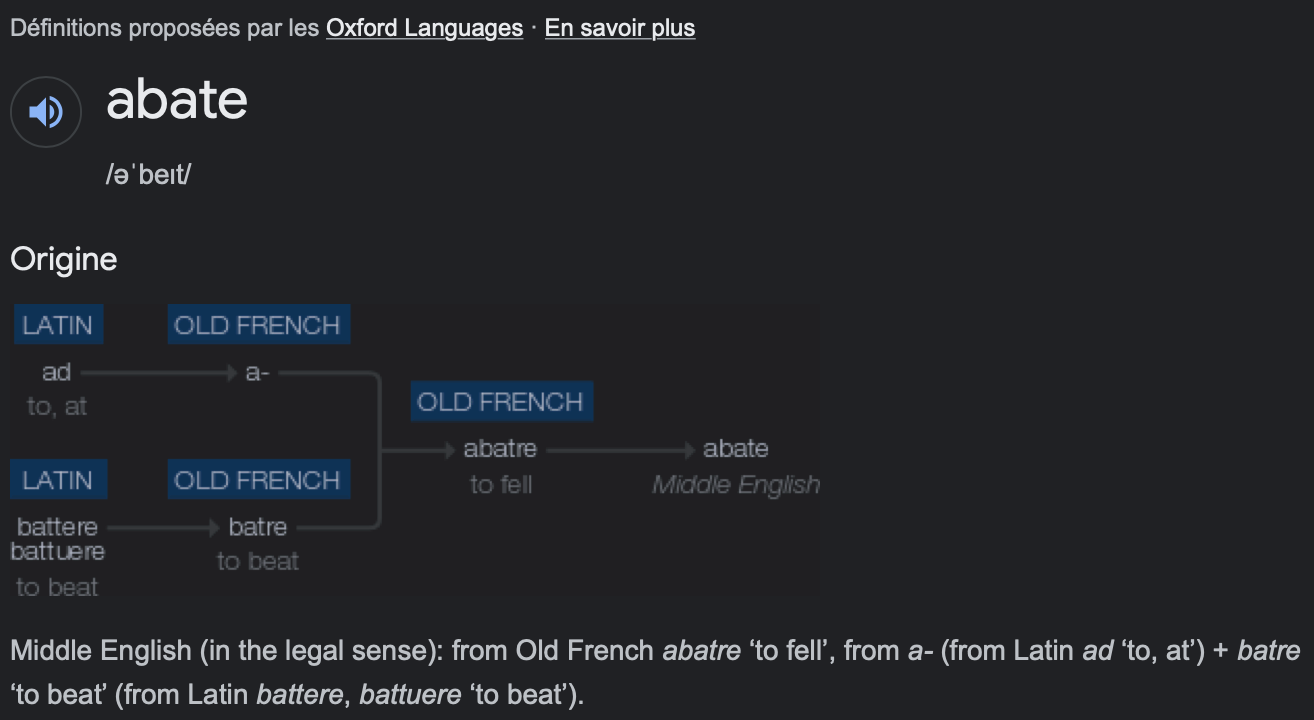
First of all, you’re already familiar with the Latin battere from words like battle or a batter in baseball. The Latin prefix ad- is also pretty common… think of admire for example where it does the same thing “wonder at something” ( “mirari” being Latin for “wonder”).
That is not necessarily a good thing because if you are in fact studying for the SATs, you want to be able to relate these words to their synonyms and antonyms. Yes, all the ones that have ad- as a prefix will be next to each other in alphabetical order; however, sometimes you’re better off learning them by word stem.
Bated breath in Shakespeare’s Merchant of Venice for example, is using a shortened form of abated meaning “stopped or reduced,” referring to people holding their breath in excitement or fear as they wait to see what happens next.
Side note: no need to use Shakespeare, but you probably want to have a sample sentence with the word in context for your flashcards (SRS).
Fair enough as an image, but what about the word “abate” will link the two words together… I don’t really see anything relating to a waterfall in that word.
I’d try and bring both meaning and spelling into the image. For example, use “at bat” and “ABBA” to create an image of a batter using a baseball bat to beat pieces off a life sized ABBA statue. I’d probably also add Shakespeare as an umpire to the image.
I’m not sure what you mean by better than… you’d still have images in your memory palace… it’s not a matter of either/or. For an alphabetical list, a memory palace wouldn’t make sense. But if you stored subside alongside abate as a common synonym and accumulate as a common antonym… there’d be an argument for using a memory palace together with an SRS system.
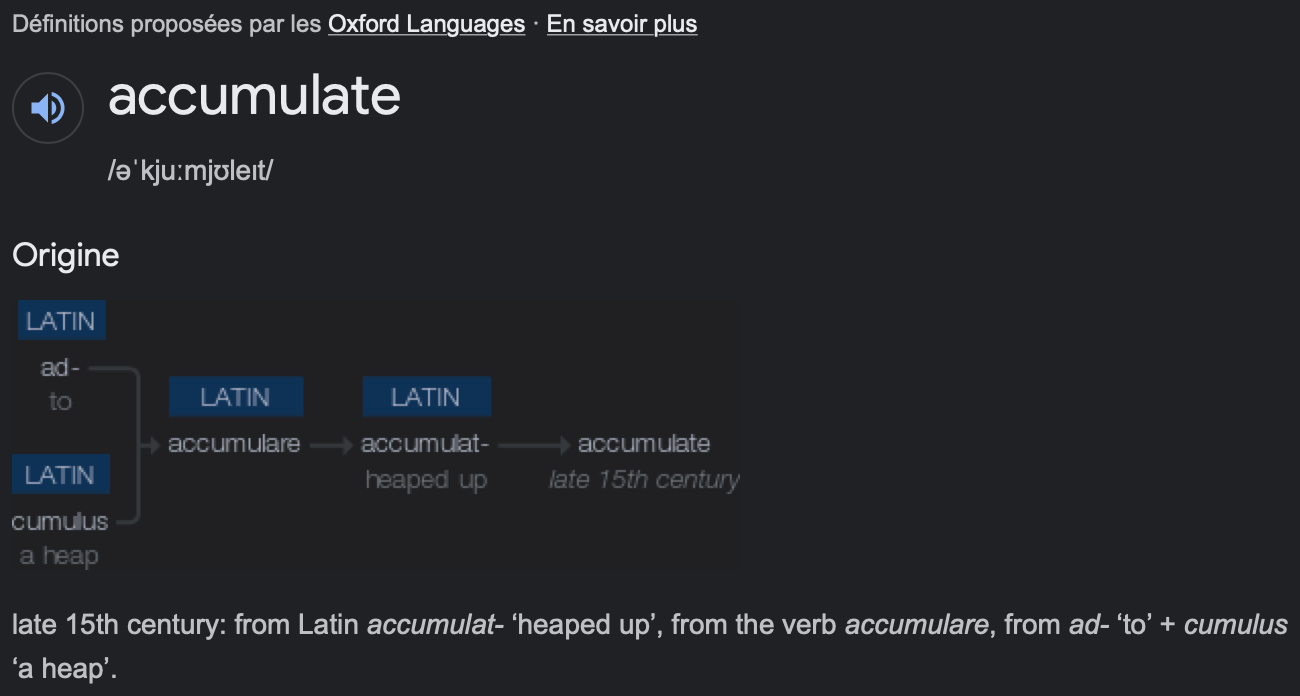
Use “a commu(nist)” like Karl Marx for the sound like part and he’s putting together the ABBA statue again that is being beating over to where he stands in little pieces. You got the familiar ad- again and whilst the first image is batting off things, this one is adding them back on.
SRS is just automated flashcards. You’d sort those into different piles by hand back in the olden days. The ones you know, the once you remembered after checking, and the ones you forgot. Of course, you’d review the ones you forgot more frequently than the ones you kind of knew, and those more frequently than the ones you know. Luckily, the SRS (Memrise is better than Anki if you ask me) will take care of that for you.
2 Likes
This was a very inforamational. I was wondering how I could use images to link the spelling of the word. I have a easy time doing the meaning, but I struggle with adding things to the images that can help with spelling. Here is a few examples of things that I wrote.
Then there is a man wearing a monkey mask aberrate" abnormal
There is a monkey right next to the man wearing the mask and is dancing aberration: abnormal
I continued walking , and I noticed a first aid kit abet: aid
I keep on walking and noticed a person raging at a video game abhor: hate
I keep on walking and noticed a mop bucket. ablution: washing
Should I try to use the stem of the word when it comes to adding things for spelling?
Completely up to you… you gotta use whatever works for you. Things that work for me may not work for you and vice versa (ditto for the rest of the forum members). For example, I’m pretty much equally fluent in English, French, and German. I already mentioned that English is a Germanic language with a lot of French vocabulary. I also had 5 years of Classical Latin in high school… so we might (most likely) have a different starting point.
German for example does a lot with prefixes… ablaufen, anlaufen, auflaufen, auslaufen, …, verlaufen, zerlaufen. The common stem here is “laufen” (running). The essense is there but the meaning is different. Take the English “running out of (time)” for best before or expiry date… in German that’s Ablaufdatum… running out of (time) date. Similarly, you can run a bath (einlaufen) or have a runny (zerlaufen) egg. Obviously, you can also just go for a run… which is really what laufen by itself means in German (just like in English).
English on the other hand spreads it out more… running out of time… for example, you can see the “running” by itself. There might be more, but the only one I can think of right now is “forerunner” as a word that uses a prefix. But to the point…
Just like with “waterfall” before, I can see how “monkey” can be a memorable image, but again… I don’t see how it relates to the word you are trying to learn. Let’s use aberrant instead of your two examples… they’re all pretty much the same anyway, except for different grammatical usage.
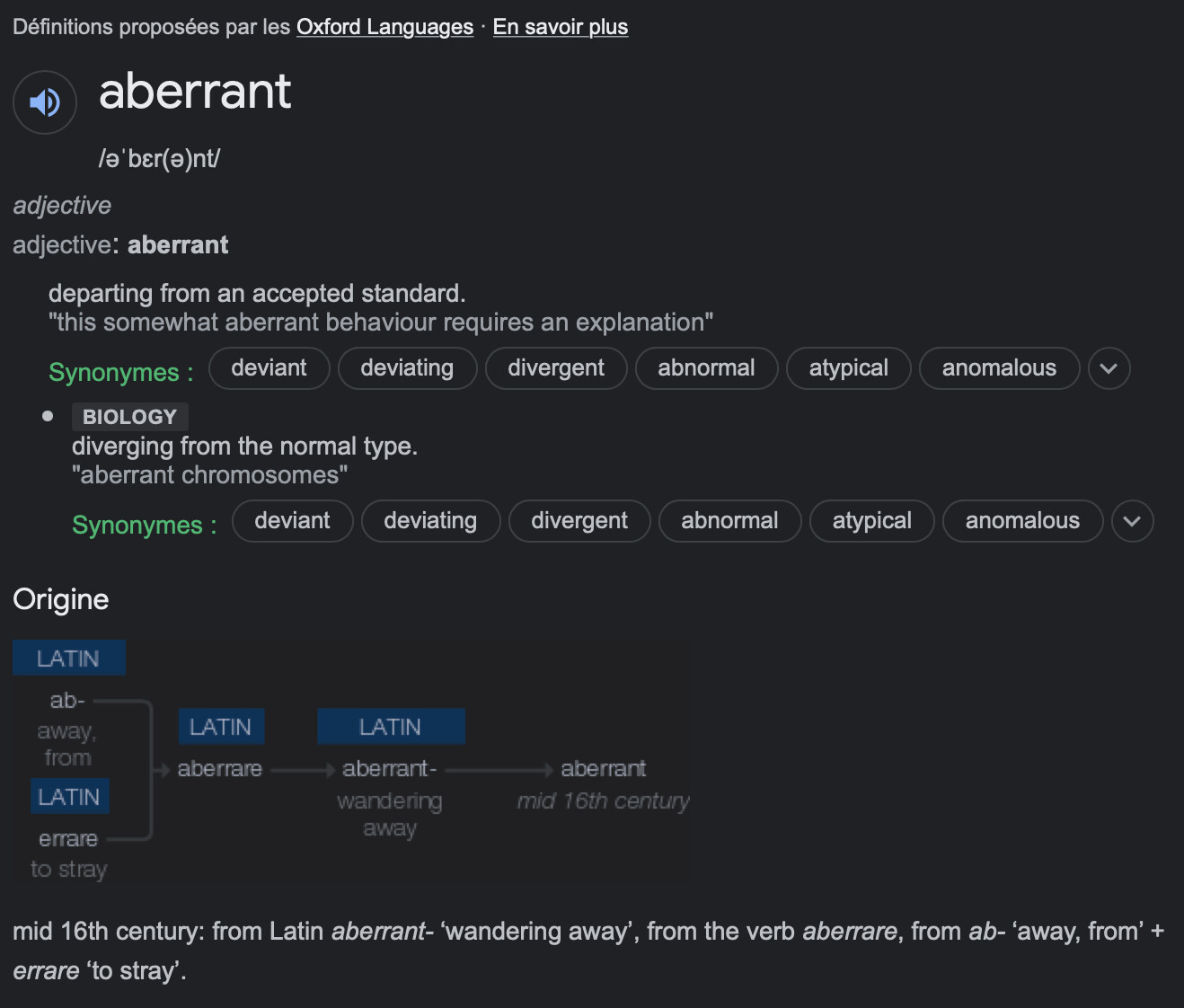
So anything that has “arrare” with an “ab” prefix is pretty much exactly that… something that wanders off from the normal… probably more deviating than abnormal, but hey… they’re all synonyms. The word in English that you’r probably most familiar with that has a similar meaning and the same etymology is error:
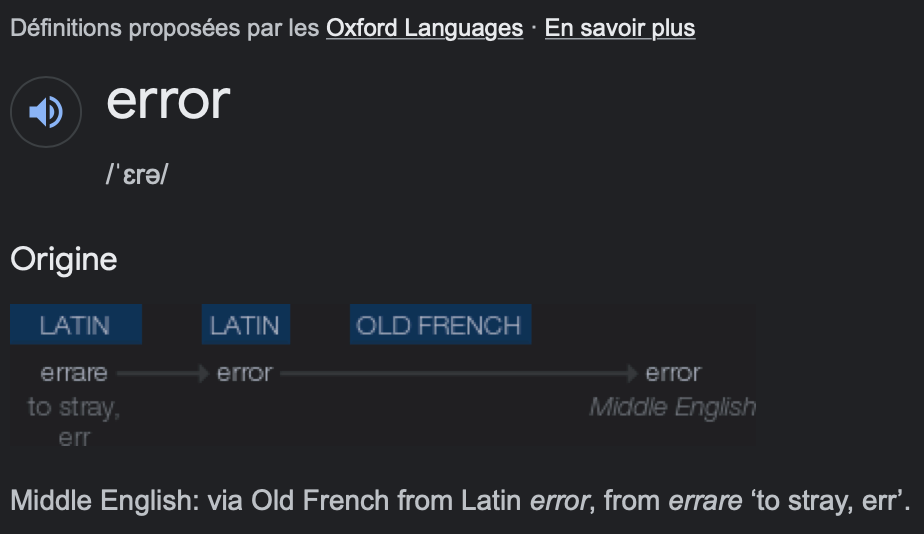
So essentially, you’re talking about something that wandered (-errare) off (ab-) the beaten track. (For more, see here: Error - Etymology, Origin & Meaning) Now, I’m not saying that you should learn Latin first, but having a knowledge of common Latin/Greek prefixes would certainly makes things easier for you already. Doesn’t mean you need to know all the verbs, but at least the prefixes.
In terms of images… this one being the easiest to explain… ab and lotion will do the trick for me. Aside from spray tan, bodybuilders use lotion to show off their abs and somebody needs to wash their dirty shirts afterwards…
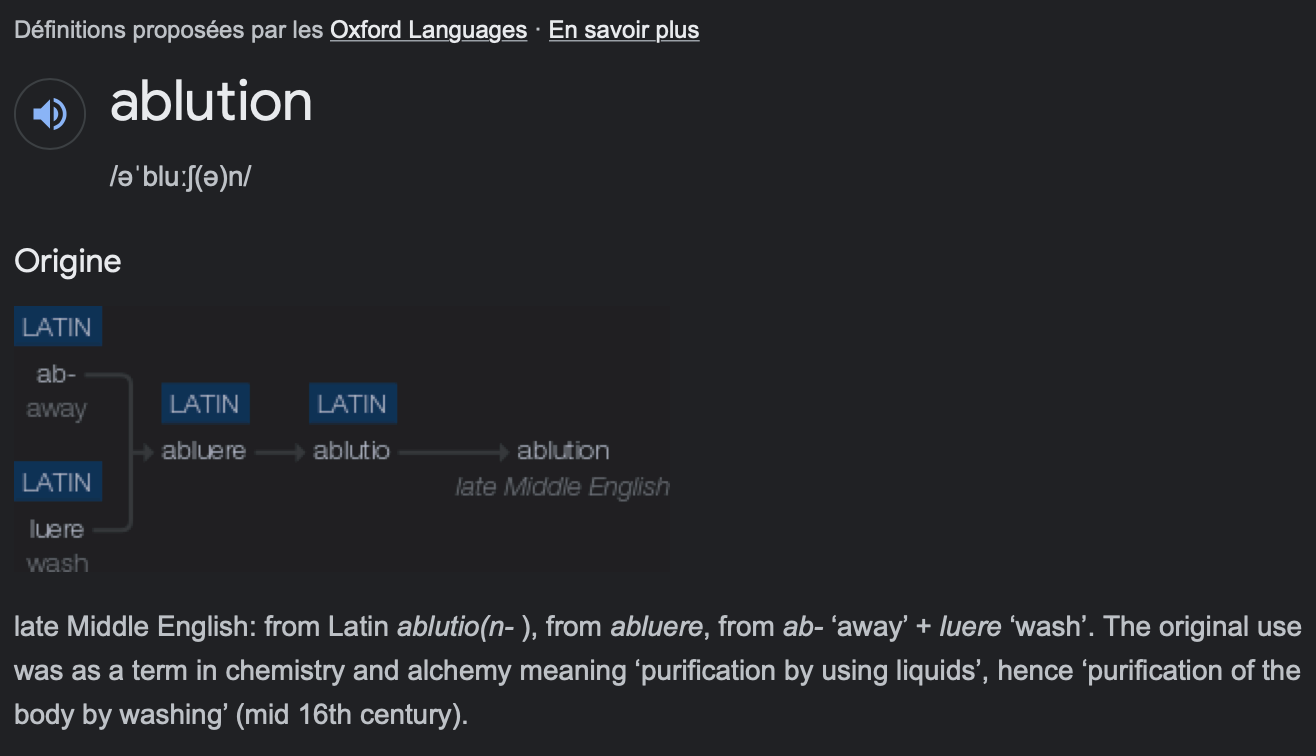
…compare this to…
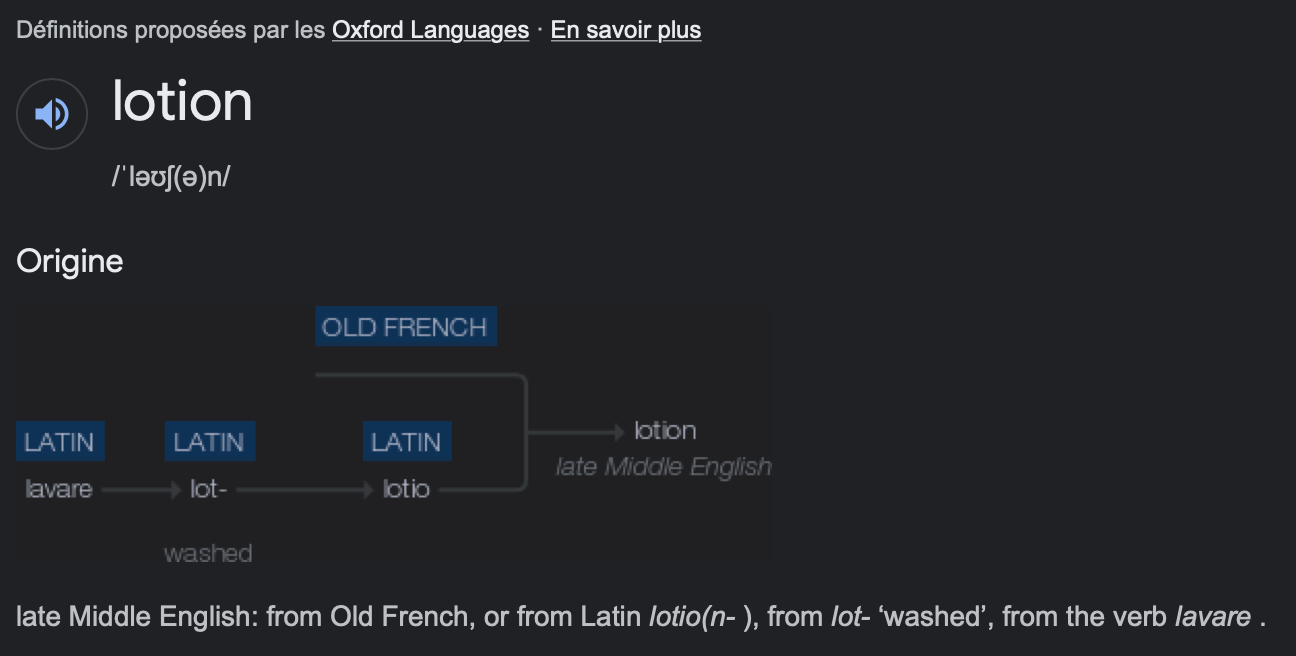
…the “lotion” part tells you that it’s got to do with “washing” and the “ab” as with all the other examples above, tells you that you’re washing it away of washing it off.
Does that make sense in terms of word stem and prefixes?
1 Like
Yes, this helps a lot when it comes to word stem and prefixes. For the monkey example, I thought it would be abnormal if you walk into a room and there was a man with a monkey mask. I know it’s a silly example. I noticed that you gave example of a synonym . Do you think I should look up synonyms for the words that can be used as my image? If I can’t find any synonyms then perhaps use the definition as a image. Maybe I could use antonyms as well. Garner for example, I could have an image of somebody collecting gold. What about the word ebullience. I had a hard time creating a image for this one.
Hello Ronald,
Thanks for sharing with us your experience.
I have checked Matt vs. Japan YouTube but it includes a lot of videos.
Could you please send the link to the right video about Reford?
Maybe this one?
(27) The Fastest Way to Learn 2 Languages - YouTube
Regards,
Olek