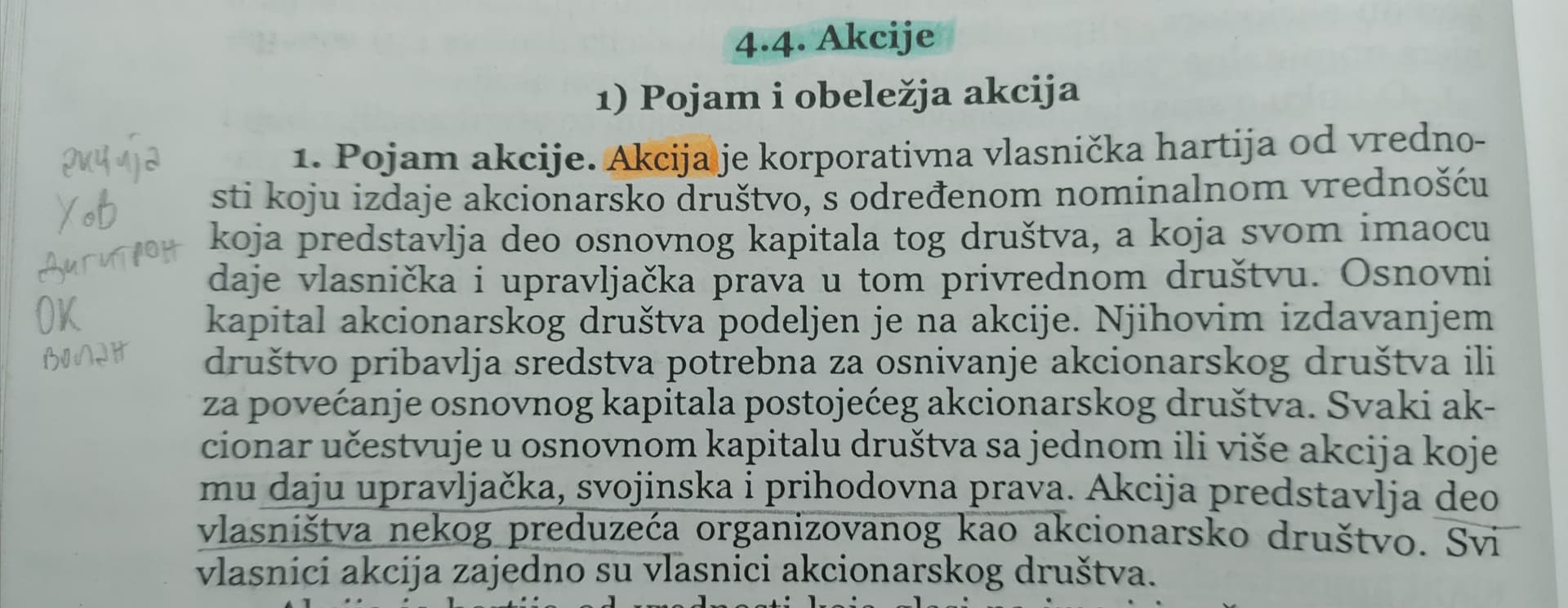
I am trying to implement new memory methods for my bar exam. With classic method of loci and journey method, I managed to pass one part of the exam, but now I am trying to put some changes.
So, has anyone tried making memory palaces out of book pages and placing memory images on them? For example, I am writing my memory images on page margins and make a story out of them. What do you think about that?
The reason I am trying this is that I am most confident in my knowledge when I can imagine a specific page of a book. The second reason is that with this method I don’t waste time on finding environment for my memory palaces.
Back at school I didn’t know any memory techniques (more the pity), but I did spend a lot of time doodling on my notes, and it helped me remember things (even if the drawings didn’t have anything to to with the subject: I would remember the equation near the vicking ship, or the conjugation full of different flowers…). I’d imagine it would be even more powerful if your doodles are deliberately chosen to help the memorisation.
In any case, I’m really interested to hear about your experiment and your results.
First, I turn the keywords into memory images, then I write them in the margins (for easier review), and finally, I place them in various parts of the book’s page.
Good method. I used to underline in two levels. And then write it. I used the margins but to note important things only not to study. But a lot of People use this way.
The bar exam is the final exam that a person with a law degree has to take in order to be allowed to practice as a lawyer. It can cover a wide array of topics from different fields of law (civil, constitutional, administrative, etc.), meaning there’s a lot of stuff you need to memorize beforehand.
No, I’ve only been studying this way for a week. I think I’ll need another week to properly evaluate how effective this method is. I’ll check back here from time to time with updates.
I’ve used the classical method before, and it was effective, but I feel this new approach might suit me better. My biggest challenge with studying has been the lack of regular review, which often leads to forgetting memory images. Now, I’m working on improving that aspect as well. Lastly, digital minimalism is crucial. I highly recommend it to everyone, because before we can apply memory techniques, we need to have strong focus.
This is an unusual idea. You could always convert the page numbers to images and use the peg system, if you thought the page numbers were important.
You should know though, for long term memory, fine details of constructing palaces are more or less irrelevant. You don’t need to be able to use the loci with facility. You just need to know them well enough to remember that they exist. So that part of the process doesn’t have to be very time consuming.
If you draw well, it works, but - for me at least - not on it’s own. But I’m not that gifted of a drawer or doodler.
I need to use associations with the drawn image and perhaps the story method to add in lots of extra information (like e.g. requisites or conditions of applicability).
The trick is for each course, memorize the table of contents of the law book for the course. Then when you sit down for the test, make sure your answer addresses every item in the table of contents. The grading is usually a matter of whether the student has addressed all the issues, as opposed to getting the resolution of each issue absolutely correct. Good Luck!