So Akron rehab hospital has asked me to teach a class on memory systems for stroke patients. I was hoping for some feedback on possible ideas, just general brainstorming. I use a handful of systems and i have a working memory palace so i do know what i’m doing but id still appreciate any helpful feedback. I’m not getting paid for this or anything i just honestly want to help them. It seems like it could really help some of them. I hope you guys take the time to lend me a hand since its for a good cause. This site has been an amazing resource to me in learning how to use these systems of memory. so i can only imagine that it would be true for this as well. thanx.
I have often wondered about how well someone with memory problems could use memory systems. I imagine some would be able to others might not be able to. There seems to be a great deal of repetition type memory in many of the the memory systems we use.
A few months ago I was talking to a friend of mine who also is interested in memory systems and we talked about his father who has alzheimer’s and we wanted to find a way to remind him to take his medication before bed.
I don’t know if any of our ideas helped or not but, the idea of putting something in their bed, either a special stuffed animal, or something obscure like a wooden spoon might work to jog their memory if they can remember that a wooden spoon means take their meds. My idea was to get a stuffed animal that was dressed like a doctor, and put it on their bed with one dose of medication. Such as this:
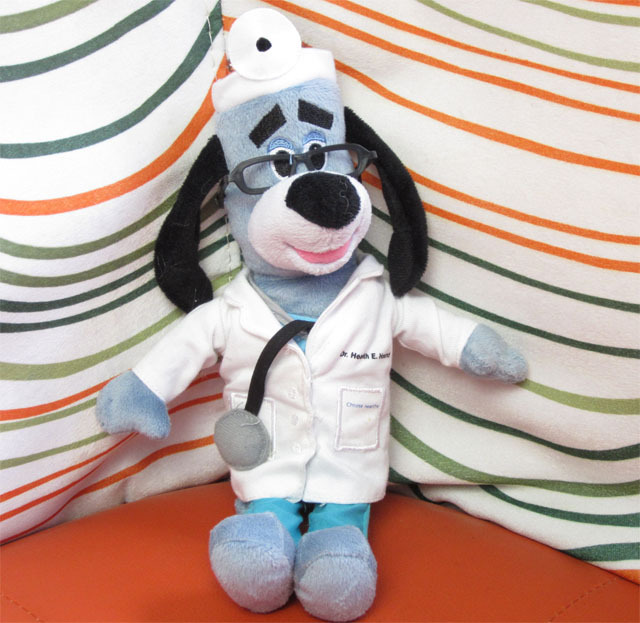
And make their loci system a Real Life System with real life objects.
Thank you for your imput this was exactly the kind of feedback i was looking for. If you have any other ideas i would appreciate them.
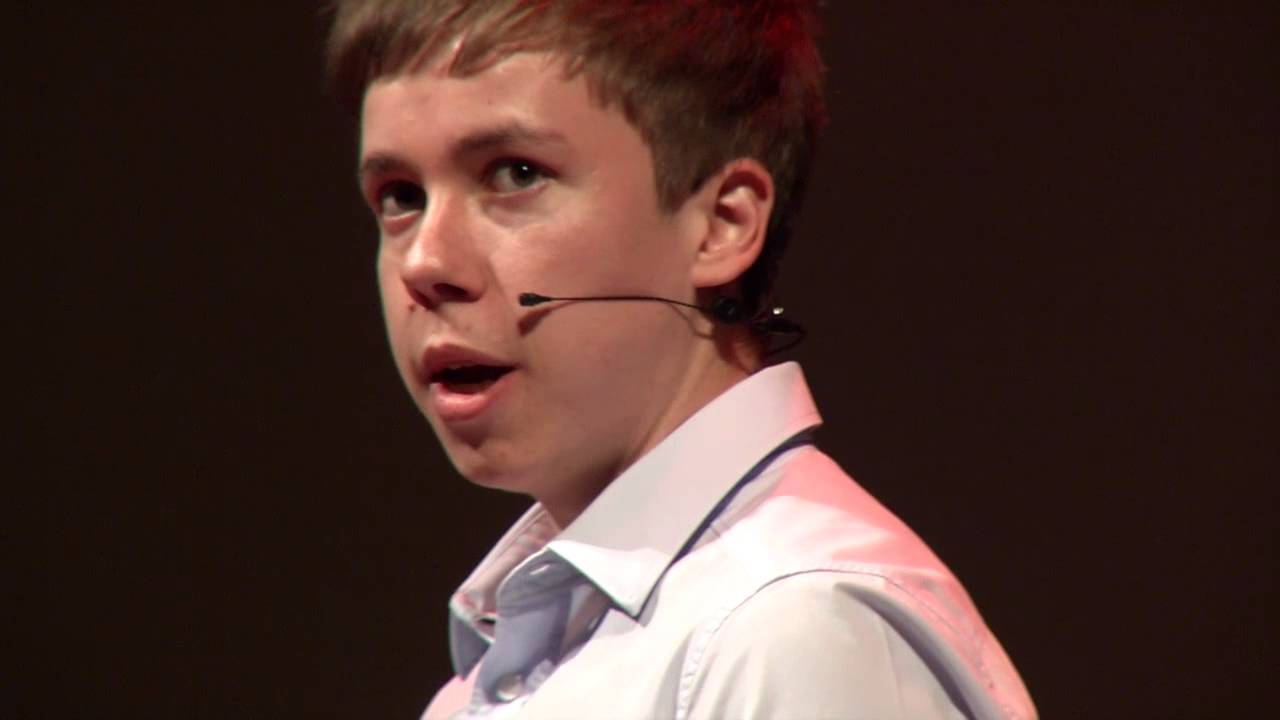
Have you seen this video? It’s about Alzheimer’s but might provide some ideas.
1 Like
that was great Josh thank you for your imput i appreciate it 
I haven’t worked with such patients, but I have found that a process Memory Palace exercise works very well when I have taught memory skills to the elderly.
First, you get them working with a familiar location. The default is to use the home, but I find this does not help a lot of people. It should be open to work or really just the first thing that comes to their mind. Obviously, buildings with fixed structures should be encouraged, but it’s important not to assume that home is where the heart of memory is when starting with mnemonics.
10 stations should do.
Next, get them to use all the classic imagery techniques, but them memorize words like this:
Zinc
Yellow
Xavier
Whip
Viper
Uncle
Tricycle
Salmon
Race car
Quill
The majority will get 85%-90% if not 100%.
But the kicker ending to the exercise is you then ask them to just give you the first letter of each word they’ve memorized. Then you point out that they’ve in effect not only memorized a list of words, but can also now recite a significant amount of the alphabet backwards.
It’s a great convincer that makes a lot of people I’ve worked with immediately want to add another 16 stations to their Memory Palace so they can recite the whole alphabet backwards.
I recommend using movement from station to station throughout the Memory Palace alone and avoiding stories and vignettes. In my experience it adds too much for them to concentrate on, though of course you can add the option later and perhaps use a short piece of verse to illustrate how connecting stations with narrative might work to help recall information.
Hope this helps any future teaching you do!
2 Likes
i appreciate the feedback metivier if you think of anything else please keep adding it
Will do!
In the meantime, you’ll find hundreds of ideas related to things like this on my website. Just look for the link in my profile.
I didn’t see any mention of it in the video, is there research that shows Alzheimer’s patients actually being able to use Mnemonic techniques ? or get any aid from them ? When I looked at his video he showed remembering his wifes name with a type of soup. I would think that the anchor or the “peg” for the soup might be his wife but if he can’t remember her name one might assume that the soup could just as easily be forgotten.
On the other hand it might be of some help because remembering one thing might be helpful remembering the second.
On the third hand it might be the case where the new memory (the linking of the two things) could be forgotten easily because it is new to the patient, and would likely be visualized after Alzheimer’s has manifested. And the knowledge to remember the two things linked and how to figure out the association could be forgotten in an Alzheimer’s patient.
I would hate to imply to someone that these techniques might help their loved one if they don’t, particularly when it is difficult enough to implement them for people who don’t have alzheimers.
It’s true, but all kinds of scientific discoveries have succeeded by taking the risk of implying great promises.
I predict that this will help some and not others, but that it will in either case generate valuable information about Alzheimer’s in the brains of both parties.
And implementation is a difficult nut to crack. People typically don’t know why they can’t implement a technique at the moment even if they understand it. They may evolve into using it later, or not, but as Harry Lorayne has pointed out in various different ways, even merely thinking about mnemonics is already a helpful start towards greater mental capacity.
And ultimately that’s a very cool element of Kasper’s research. He’s using ancient (mnemonics) and modern technology (computer rendered Memory Palaces) combined to engage the minds of these people, an opportunity they would not otherwise have even if it does sunder the pain of a promise unfilled. The way is the way and the way must be tried.
well to mention one interesting fact about these systems is how i ended up being asked to do the seminar in the first place. I was in the hospital because i had been in a terrible car accident (i almost died) they had to use the jaws of life to cut the doors and roof off to get me out lol the officer on the seen thought i was dead. But during this experience i had a severe brain hemorrhage that damaged my short term memory. It was seriously broken it was scary too i didn’t think i would be as smart as i am afterwords. I am better now, anyways when the speech therapist was seeing me and working with me she would have me memorize words then after all her stuff would ask me what they are. I couldn’t do it. but when i used my journey system i could i was able to remember them. It got around the fact that i didn’t have a working short term memory. That’s why they were so interested in what i could do because that’s what go’s(breaks) in the stroke patients its there short term memory. And honestly i wasn’t going to even mention what i was doing but i felt the Holy Spirit tell me to. Then when i did all these doors opened for me to come in and teach them. Its kind of amazing whats happened. So praise the Lord (Jesus) i’m really excited for the chance to help them.
This is a compelling story and wonderful that you have shared it and found a way to help others. Thanks!
Bumping so I can take a closer look later and may appeal to some others.
1 Like