Tyger Tyger, burning bright,
In the forests of the night;
What immortal hand or eye,
Could frame thy fearful symmetry?
-William Blake
Today, we’ll consign the Shadow System to oblivion by rendering it irrelevant. I feel some regret about its wide influence, and I sincerely apologize for not writing this method up sooner. It is the major system optimized for reading speed, phonetic naturalness, ease of image-list construction, and fluency of subvocalization. As it stands, the major system maps on to just about every word under the sun (except for most of the words we should want to use).
Blake’s poem above is written in trochaic meter. A “trochee” is a stressed syllable followed by an unstressed one. Read the poem above and imagine that this is the cadence and flow that you memorize with. That is our aim. In the end, most of our images will be represented by words that are either trochaic or monosyllabic. Over and above the 1000 images used for memorizing digits, all of our images will be represented by words that are either trochaic or monosyllabic.
A little over a year ago, Bjoern Gumboldt created a thread about a “one-card Shadow System” - a lovely idea of dubious practicality that might’ve served as a kind of “test run” to see whether memorizing images with variable loci was something one wanted to pursue. This time around, I think we can get a lot of mileage out of this approach that wouldn’t have been possible with the Shadow System. So, I’m going to recommend building out the system in a way that enables us to scaffold on his idea and benefit from the 2-card system more and more as we hit key benchmarks along the way.
You will start by learning 52 images, which you use to memorize cards using all of the Trochee System phonetics that are applicable at that point. 48 of those images will be used for memorizing 2-digit numbers, with the other 4 being repurposed further down the line.
Then, you will fill out and learn the remaining 52 images necessary for you to begin memorizing numbers as 2-digit images.
At this point, you will be poised to gain the first small benefits from the 2-card system. I’m going to explain the mechanics of the 2-card system in full first, and after that, I’ll describe the fine points of building out your image list down this path.
This is the Major System, which maps consonants or consonant-clusters to digits:
0-S/Z
1-T/D
2-N
3-M
4-R
5-L
6-SH/CH/J
7-K/G
8-F/V
9-P/B
Cards
To memorize cards, the major system is mapped onto:
-suits/suit-pairs,
-numerical indices (“digits”)
-face-card indices (“faces”).
In this post, I am assuming the following mappings. You can rearrange them arbitrarily, but I highly recommend retaining these correspondences between single suits and suit-pairs. If what I just said confuses you, then just don’t change anything.
(for the 52-image arrangement)
 - S/Z (corresponds to &
  )
)
 - K/G (corresponds to &
  )
)
- T/D (corresponds to & )
- N (corresponds to & )
(for all other arrangements)
- S/Z
- S/Z
- SH/CH/J
- SH/CH/J
- K,G
- K,G
- M
- M
- F/V
- F/V
- P/B
- P/B
- T/D
- T/D
- N
- N
The Rules of Reading Card Pairs in Order
1)If both cards are digits, the suit pair is read last.
2)Otherwise, the suit pair is read first.
3)Faces are read last.
Face Card Phonetics
When in the left position:
Jack = “A”*
Queen = “O”*
King = “E”
When in the right position:
Jack = “R”*
Queen = “L”*
King = [silent]
*Users of the Shadow System who would like to transition may prefer to swap the Jack and Queen assignments to keep the “R” mapping for Queens. If you’d like to do this, Swap the Jack and Queen assignments (A/O) in the left position as well in order to preserve internal logic.
Suit-pair Phonetics
Excluding “L” and “R,” each of the major system’s eight remaining consonants (or consonant-groups) is mapped to a black-first suit pair of your choice. As is custom for 2-block systems, each of these will share an identical image with its corresponding red-first pair.
Putting this all together, four entirely new sets emerge: three trochaic, and one monosyllabic. The three trochaic sets are from every face/digit card pair, and the monosyllabic set is from the face/face pairs. The difficulty of filling out these four sets ranges from “easy” to “automatic.” When filling out these sets, you should be able to mentally cycle through every possible phoneme combination that each pair maps onto if you’re already fluent with the major system. I recommend doing this even when you are not stuck, because there are often so many options that the first suitable word which comes to mind will not be the word you opt for in light of the other options. Let’s look at a few examples from each set, starting with the monosyllabic one:
A subtlety
When the suit-pair is the first element of the card pair to be read – which is only the case with face/face combinations – it should be read consistently as the “hard” consonant that is optional in the major system:
-only “S”
-only “T”
-only “Sh”
-only “K”
-only “F”
-only “P”
*For “N” and “M,” no alternative option is available.
Once you have completed the list of 100 images for memorizing 2-digit objects, you may (should!) begin to memorize cards using variable loci, according to Bjoern’s description. This will be your transition into the first of the four phases of the “Hybrid Trochee System.”
Since the words for the monosyllabic face/face set are “forced” by the logic of the system, you may (should!) incorporate this first set of 2-card images into your memorization as soon as you have become comfortable reading the 8 suit-pairs. You’ll not only knock out two cards at once by memorizing just one image, but you’ll learn to use these 72 images well in a fraction of the time it took you to learn your first 52. There are other advantages as well, which I’ll get into later. Once you have incorporated these 72 images, you will be in the second of the four Hybrid Trochee phases. Here are the words for that set:
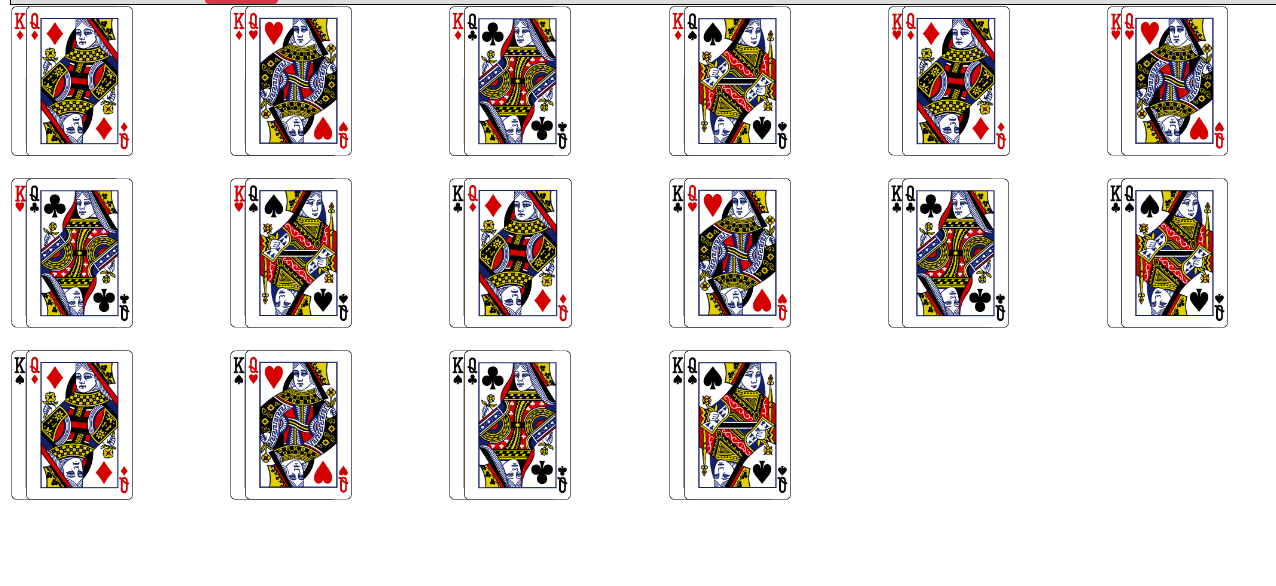
Pictured above, in order:
Keel
Kneel
Meal
Peel
Teal
Seal
Feel
Sheol
(repeat)
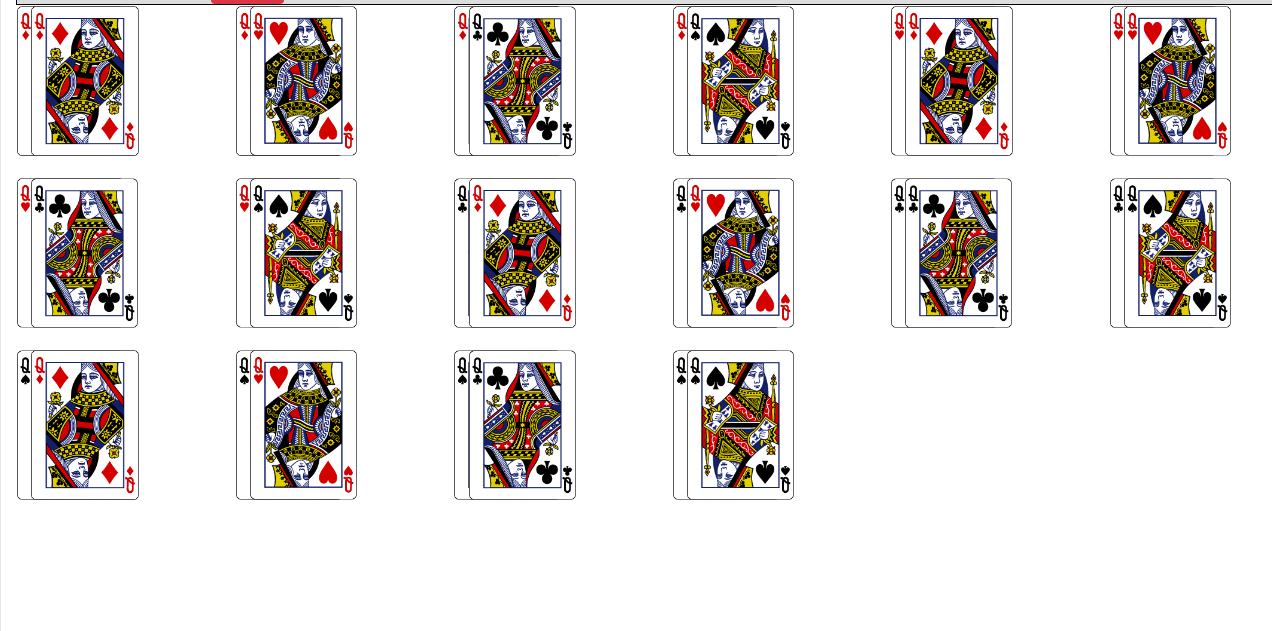
Pictured above, in order:
Coal
Knoll
Mole
Pole
Toll
Soul
Foal
Shoal
(repeat)
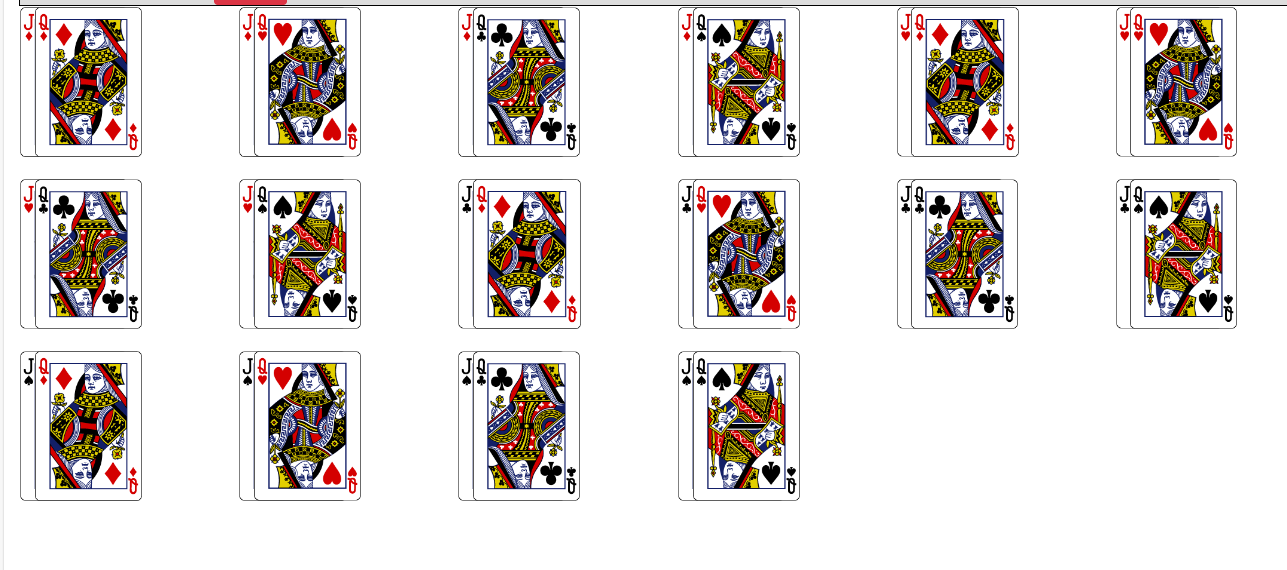
Pictured above, in order:
Kale
Nail
Mail
Pail
Tail
Sail
Fail
Shale
(repeat)
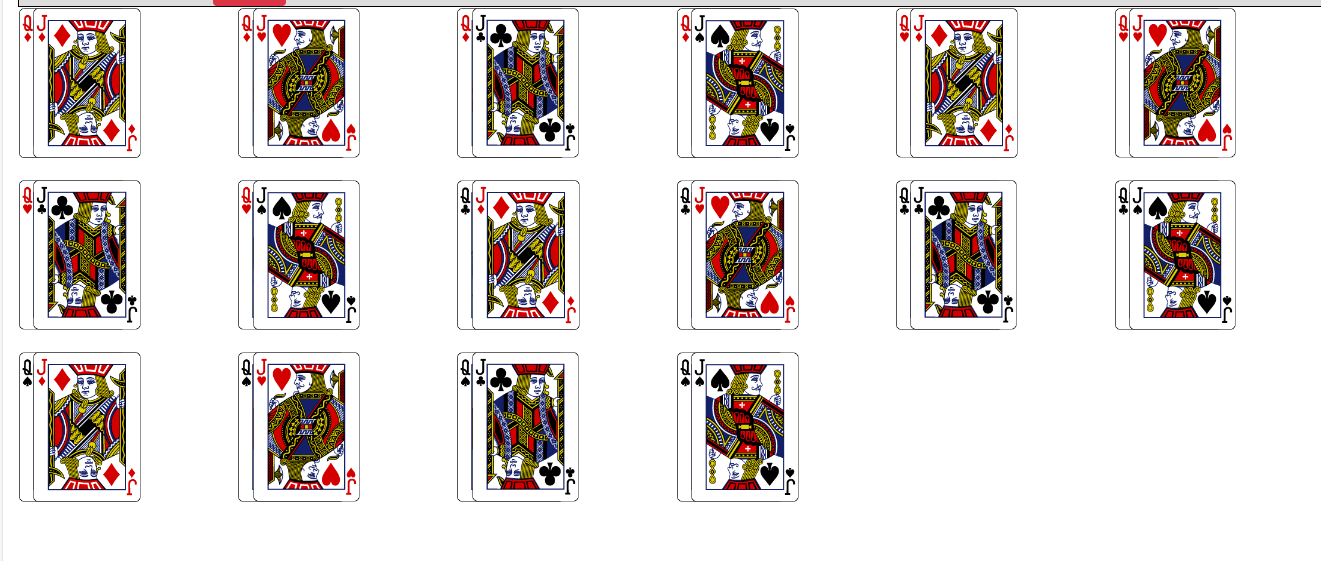
Pictured above, in order:
Core
Nor
Moor
Pour
Tore
Soar
Four
Shore
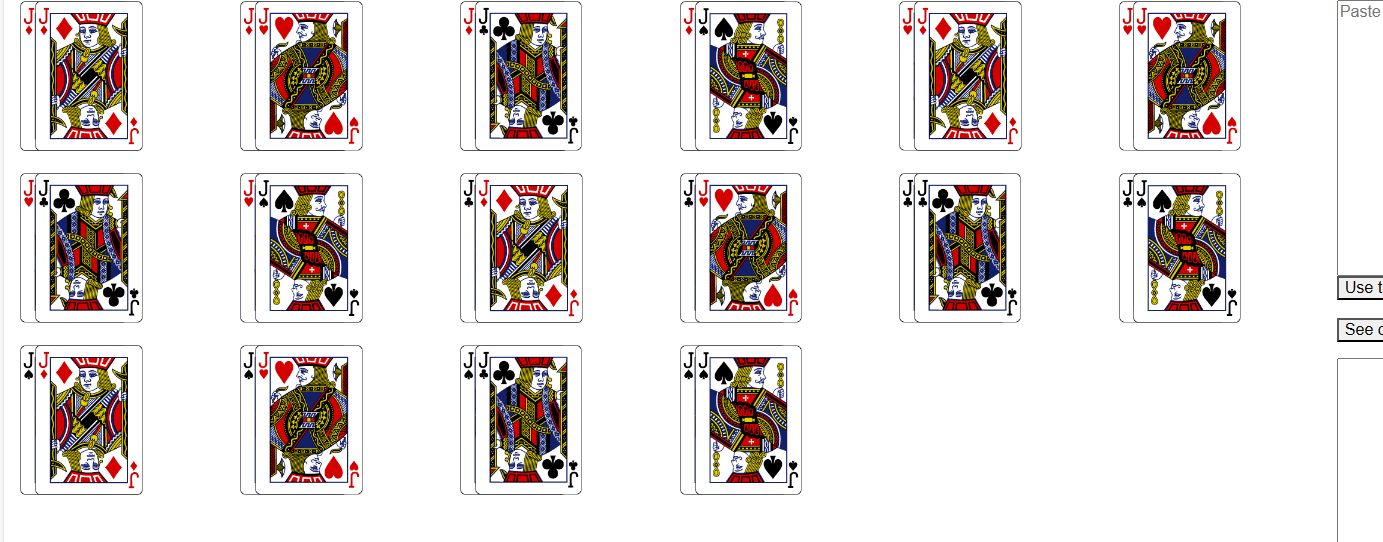
Care
Nair
Mare
Pear
Tear
Sare
Fair
Share
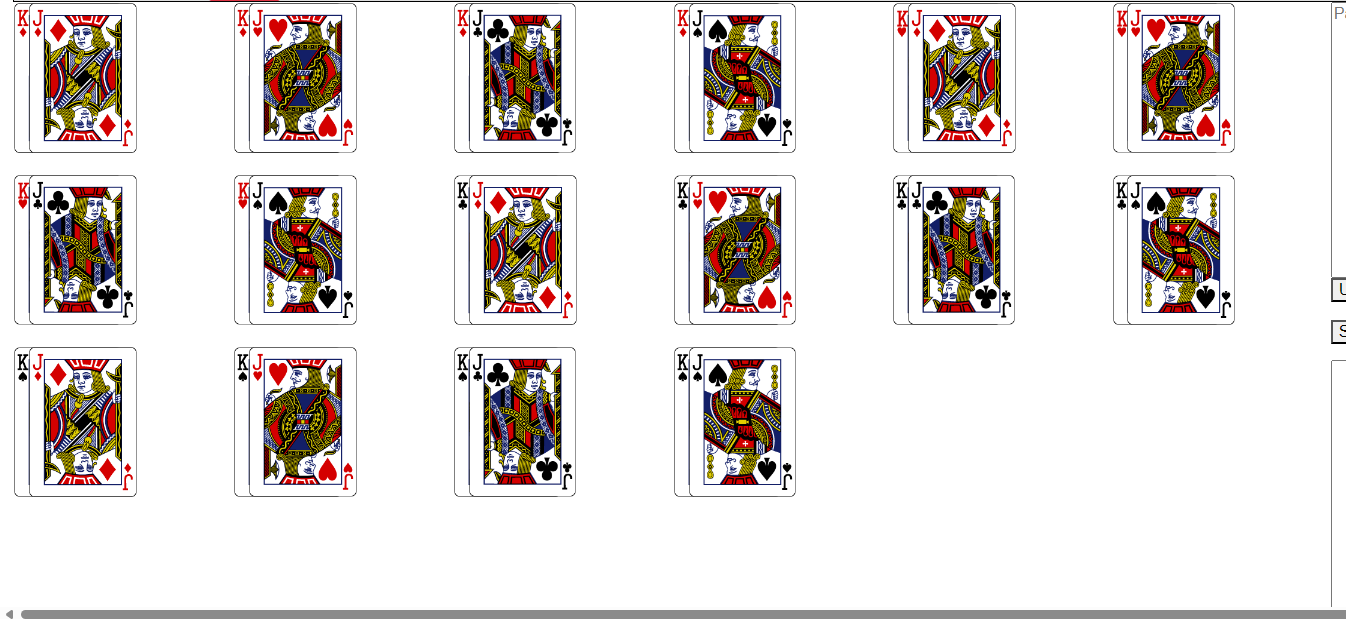
Keyer
Near
Meer
Pier
Tear
Seer
Fear
Sheer
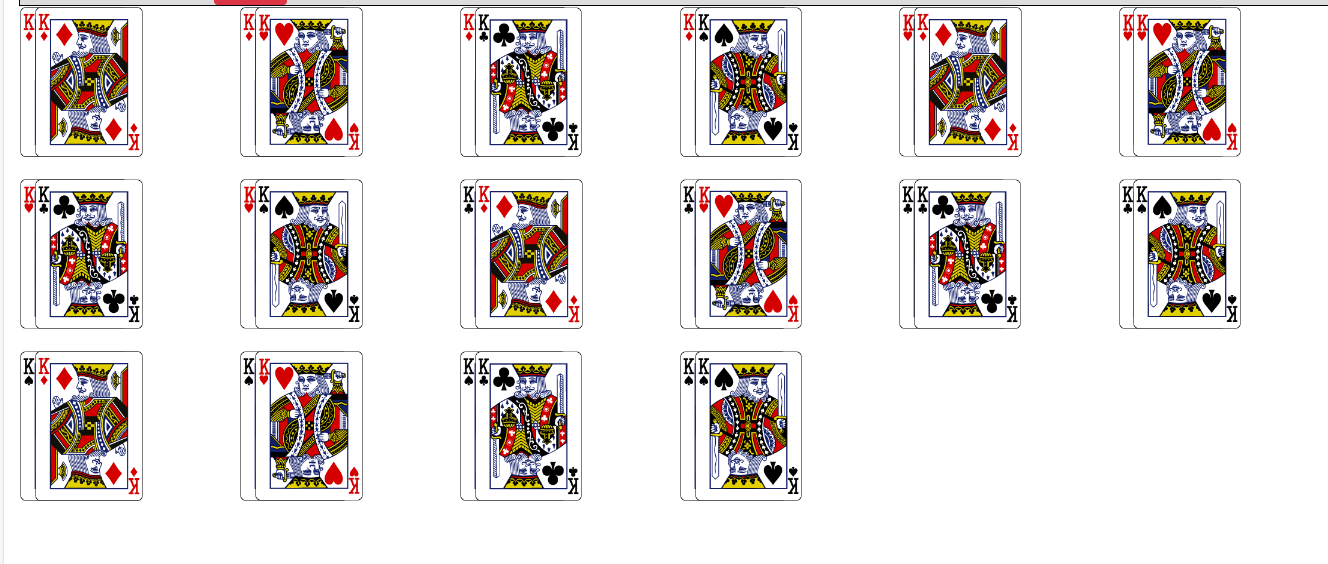
Key
Knee
Me
Pee
Tea
Sea
Fee
Xi (or She)
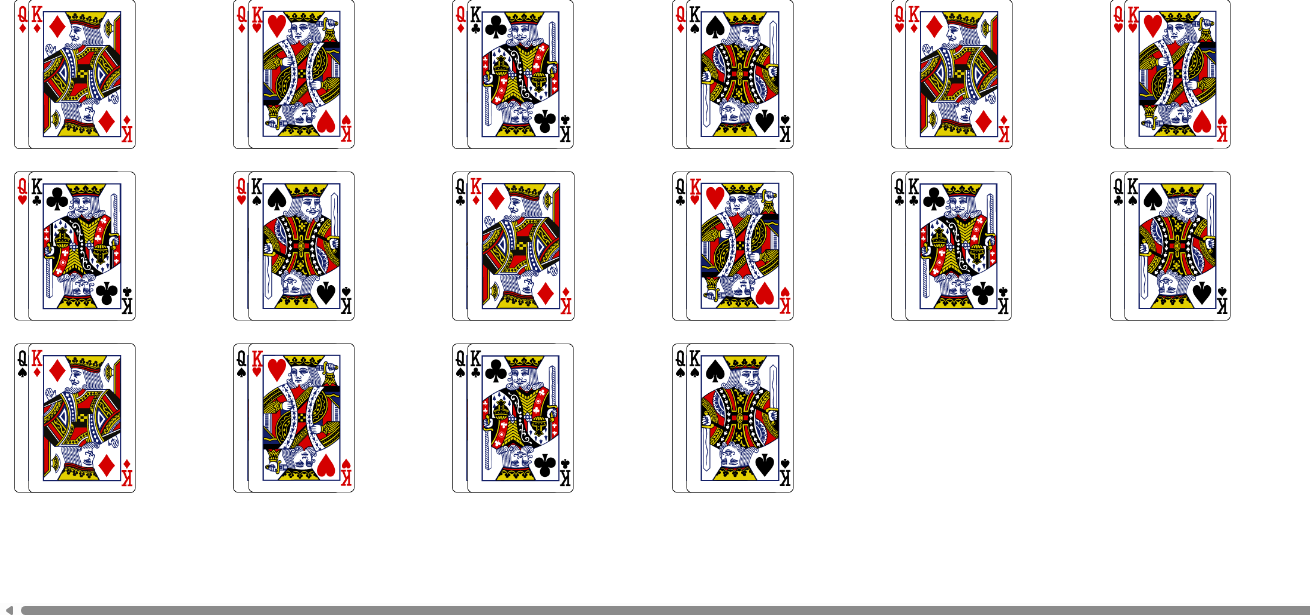
Ko – “child”; Japanese
Know
Mow
Poe
Toe
Sew
Foe
Show
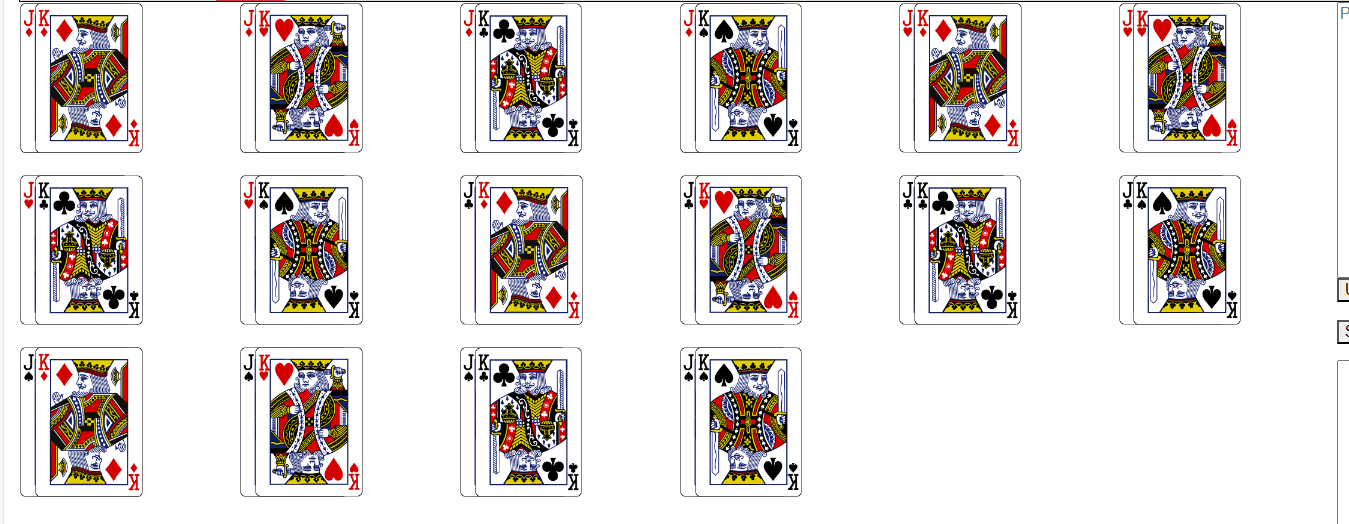
Kay
Neigh
May
Pay
Tay
Say
Faye
Shay
Got it? Alright. Now, let’s look at some samples from each of the three trochaic sets. Note how unlike the Kings’ “E” and the Queens’ “O,” the Jacks’ “A” takes on the different, natural pronunciation of words ending in “-a.” Once you have incorporated the following three sets, comprising 240 images, you will be using Phase III.
Trochaic Kings
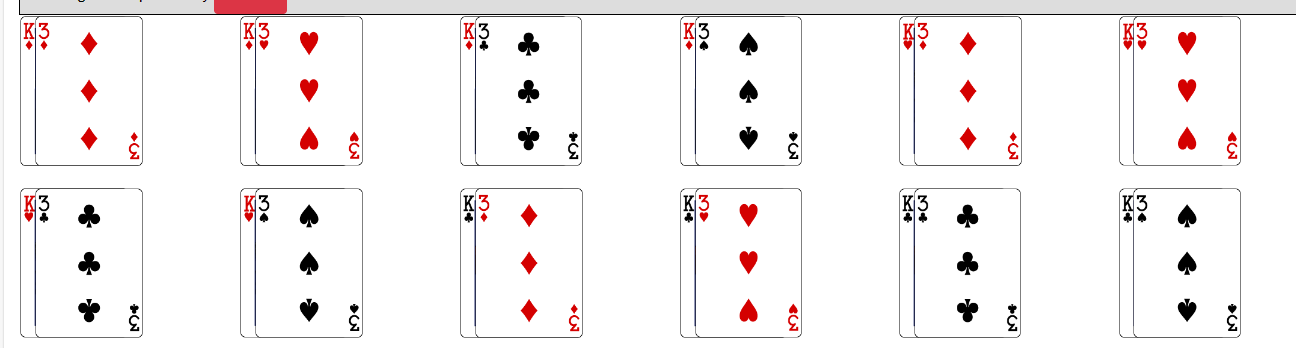
optional words (in order):
Gummy
Nummy
Mummy
Pammy
Dummy
Zoomy
Fumey
Shimmy
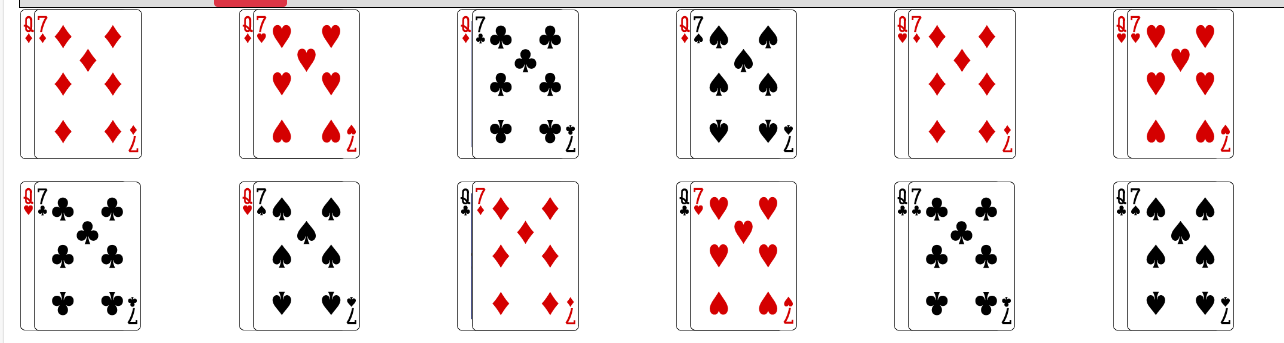
optional words (in order):
Cocoa
Niko
Mako
Pogo
Taco
Psycho
Falco
Jack-o
*See subheading: “Phonetic Borrowing”
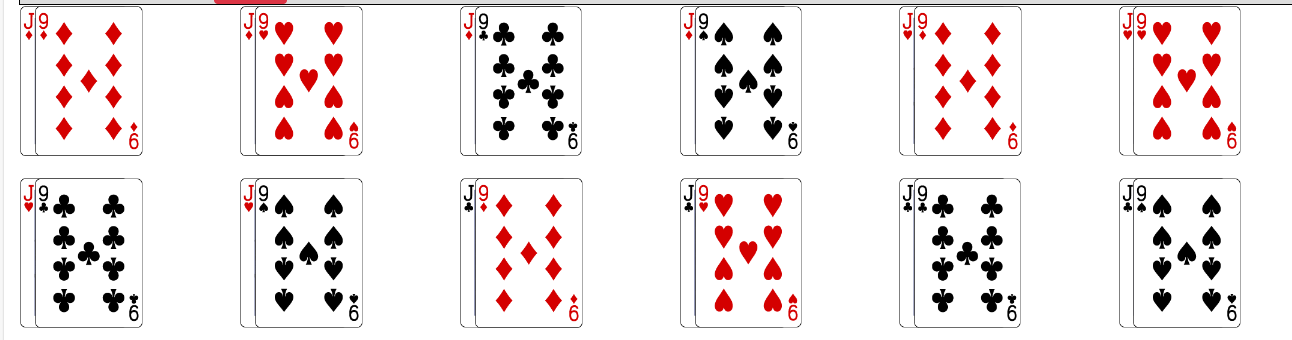
optional words (in order):
Koba
Napaf
'Moeba
Boba
Tuba
Sai Ba
Fibba*
Shiba
*See subheading: “Phonetic Borrowing”
I may not be back to finish the post this weekend, but hopefully this edit clarifies the overall purpose and shows where we are headed more clearly. I’ll be back before long to describe the initial 52-image system more explicitly as well as the rules for digits, and the fourth and final phase of the “Hybrid Trochee System” that precedes the final product.
Leave a comment if I accidentally made some mistake above or left something unclear.


