The site is currently very busy, so you may get a message several times in a row saying there is too much traffic. All you can do is try again in a while.
I think this technology might have some value for making mnemonic images. Although many people may prefer to come up with their own.
This tech is now way more accessible since Stable Diffusion released.
I thought it would be amazing for creating those scenes we use in our head… but I’m struggling to get anything useful in terms of mnemonic images.
It can easily do one thing. It can draw you a picture of anyone famous, and you can alter the style of that no problem at all.
You can draw pretty much anything that is already a concept in the collective unconscious. That is, the AI needs lots of pictures with the same tag to get a trend.
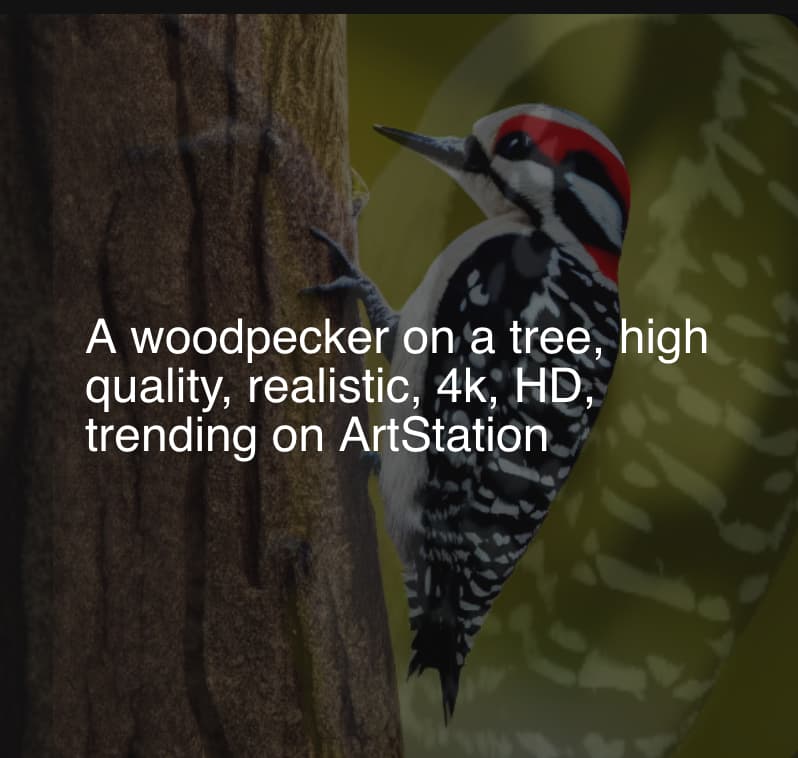
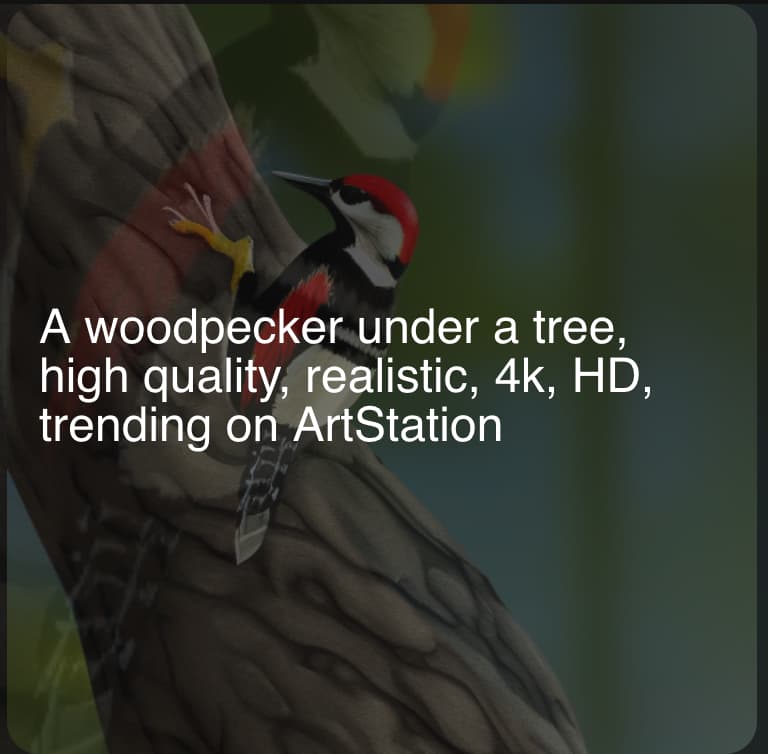
What it CAN’T seem to do is VERBS and PREPOSITIONS very well.
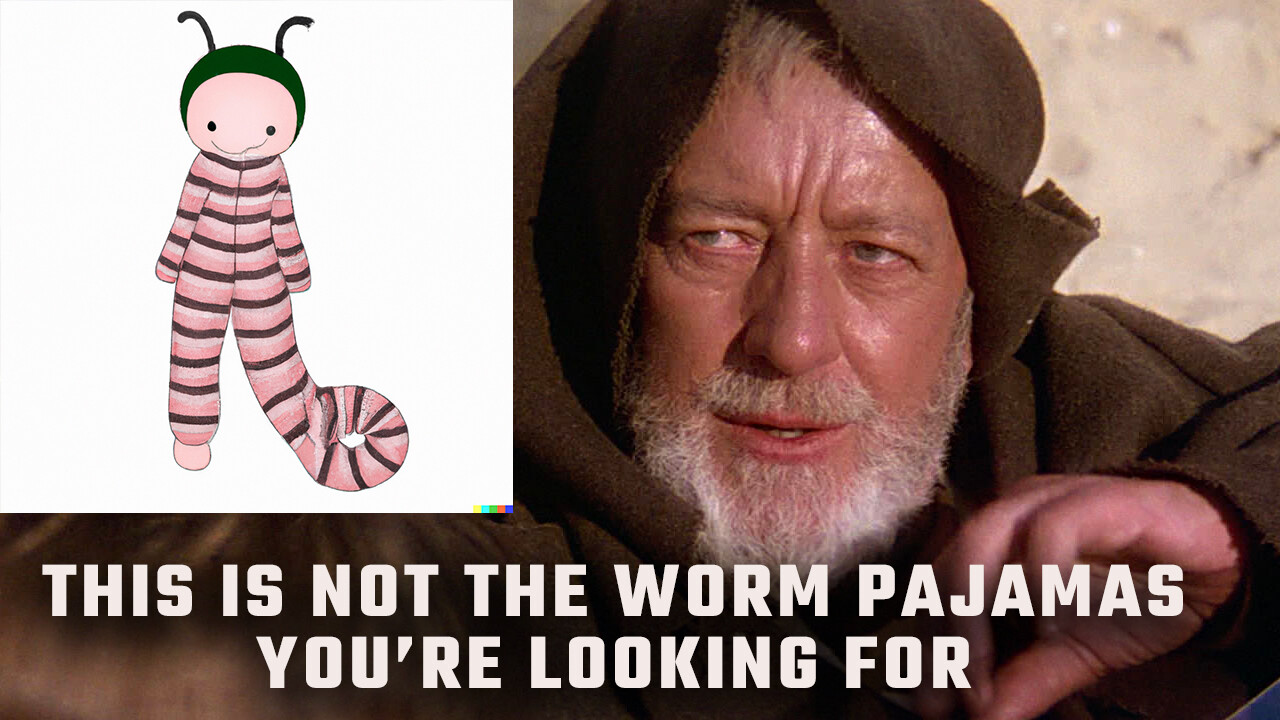
For example “trump holding a can of coke” might work, but “Trump holding a worm that’s wearing pyjamas” won’t.
I wonder if I’m missing something.
I also can’t use a character from one scene and get it into another. Apparently, it’s possible using TEXTUAL INVERSION.
Also, using img2img WITH a text prompt gives the best results. So, being able to draw really helps.
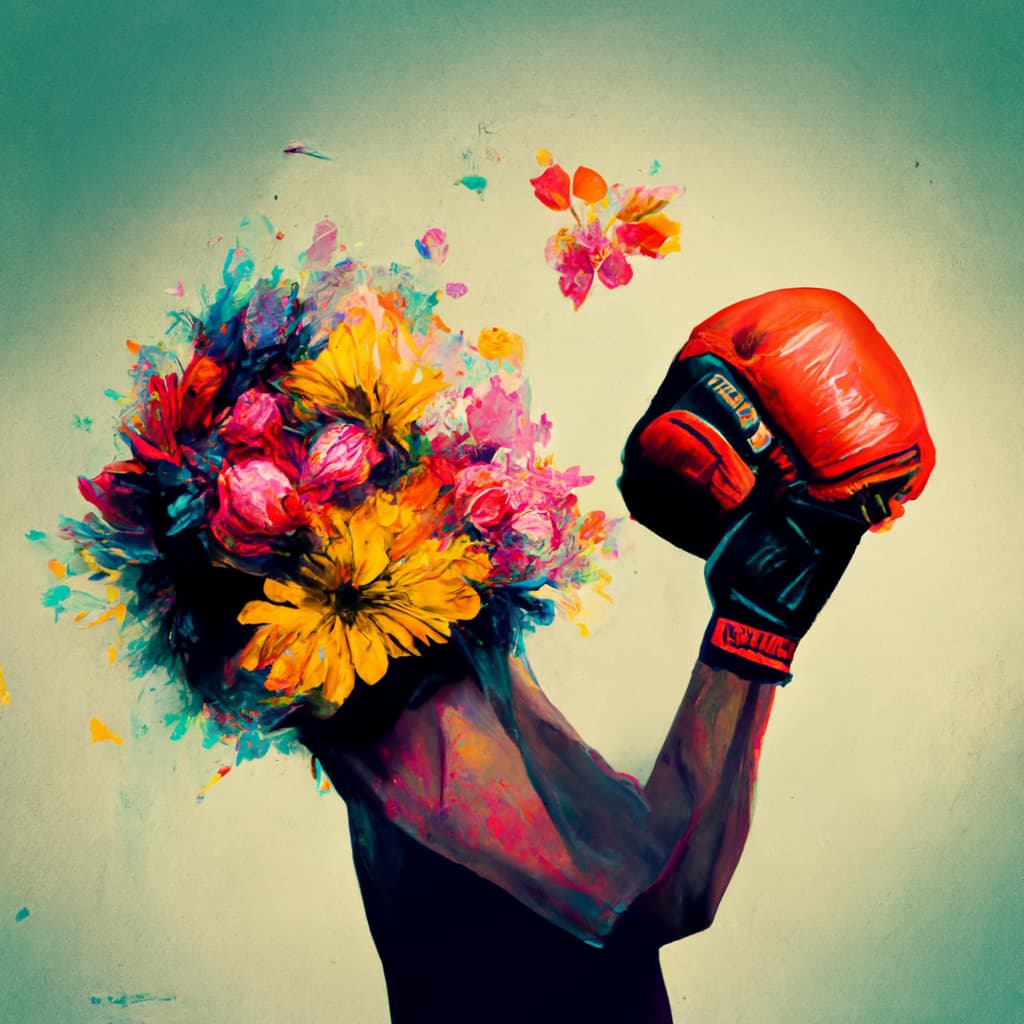
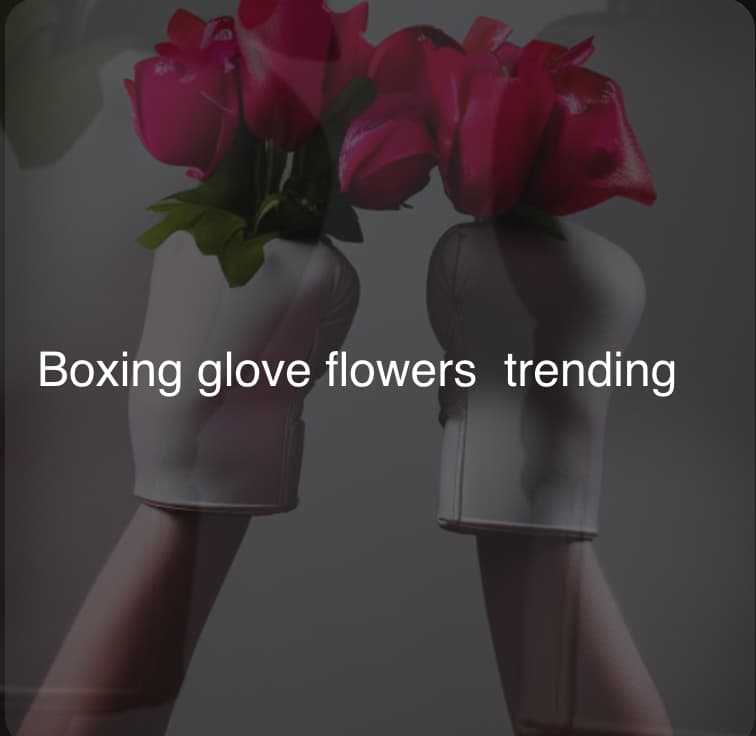
I did this one in midjourney, 9 is boxing glove and the flowers are for the 9th element flourine. Such a great tool. Other examples are a pan with diamonds, a knife with a bear handle etc.
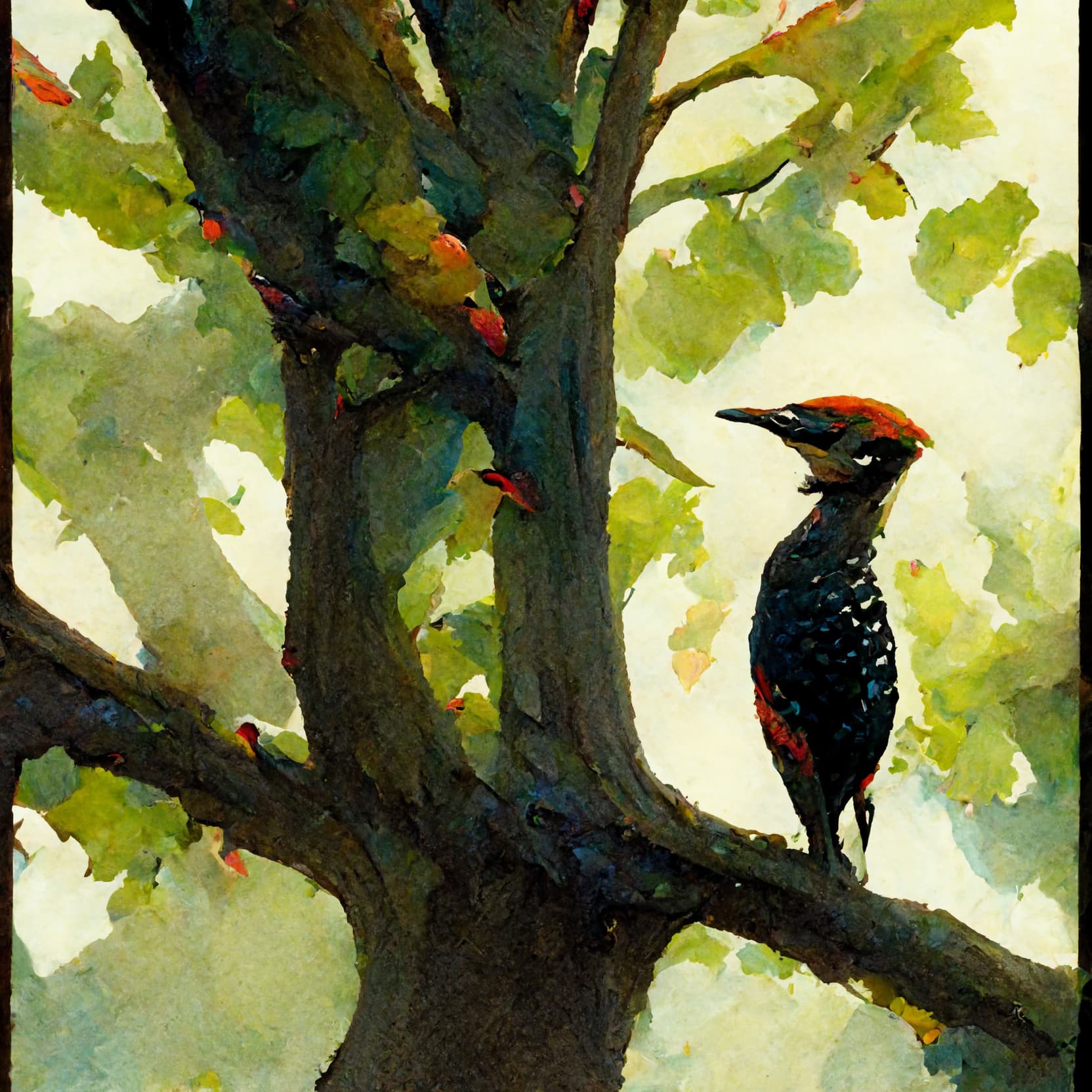
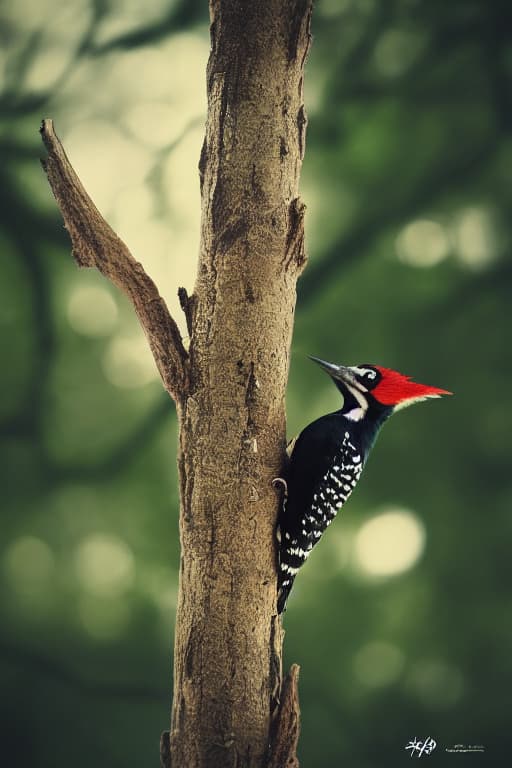
Here is an example of 17 made with midjourney.
I will remaster these to be a little more photoreal as I find that helps for memory.
Curently using --testp will get you closer
The boxing gloves one is an example of the kind of thing I sometimes get as a happy accident. What was the prompt?
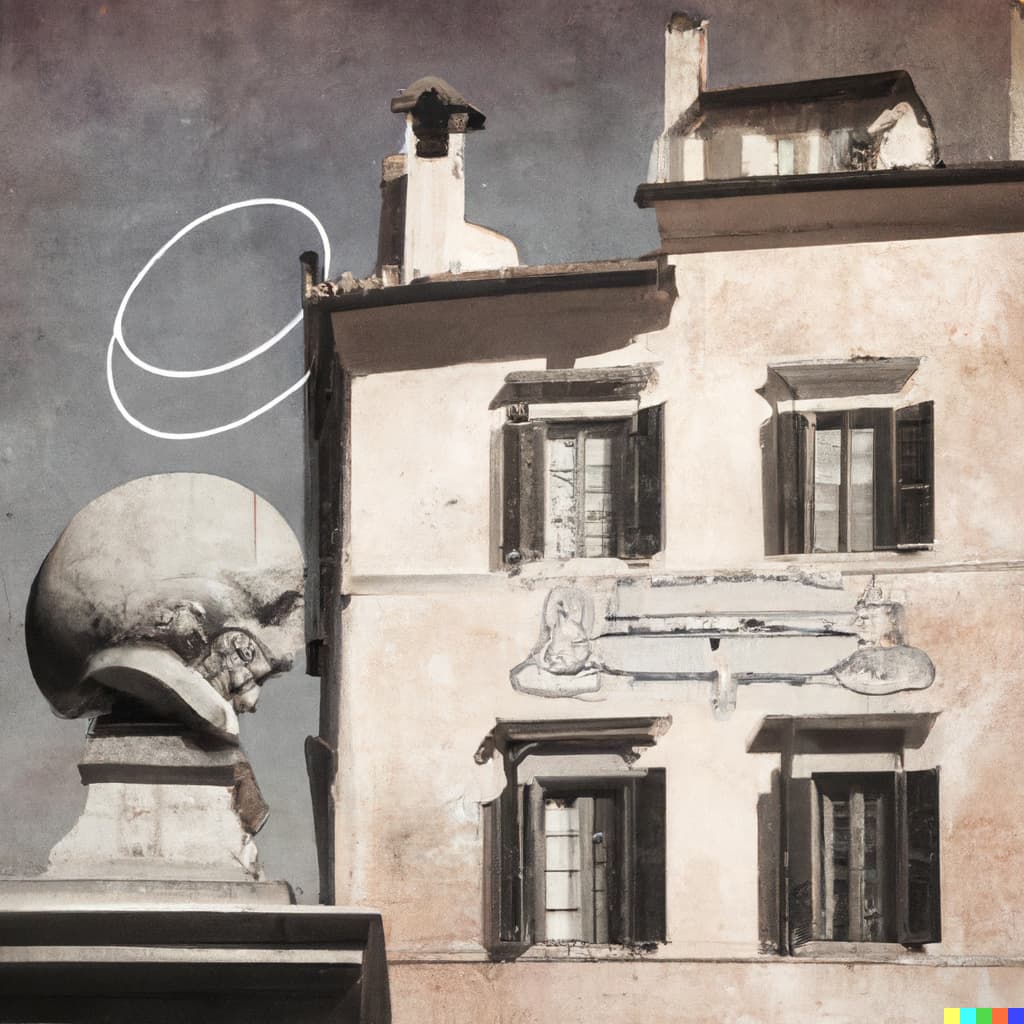
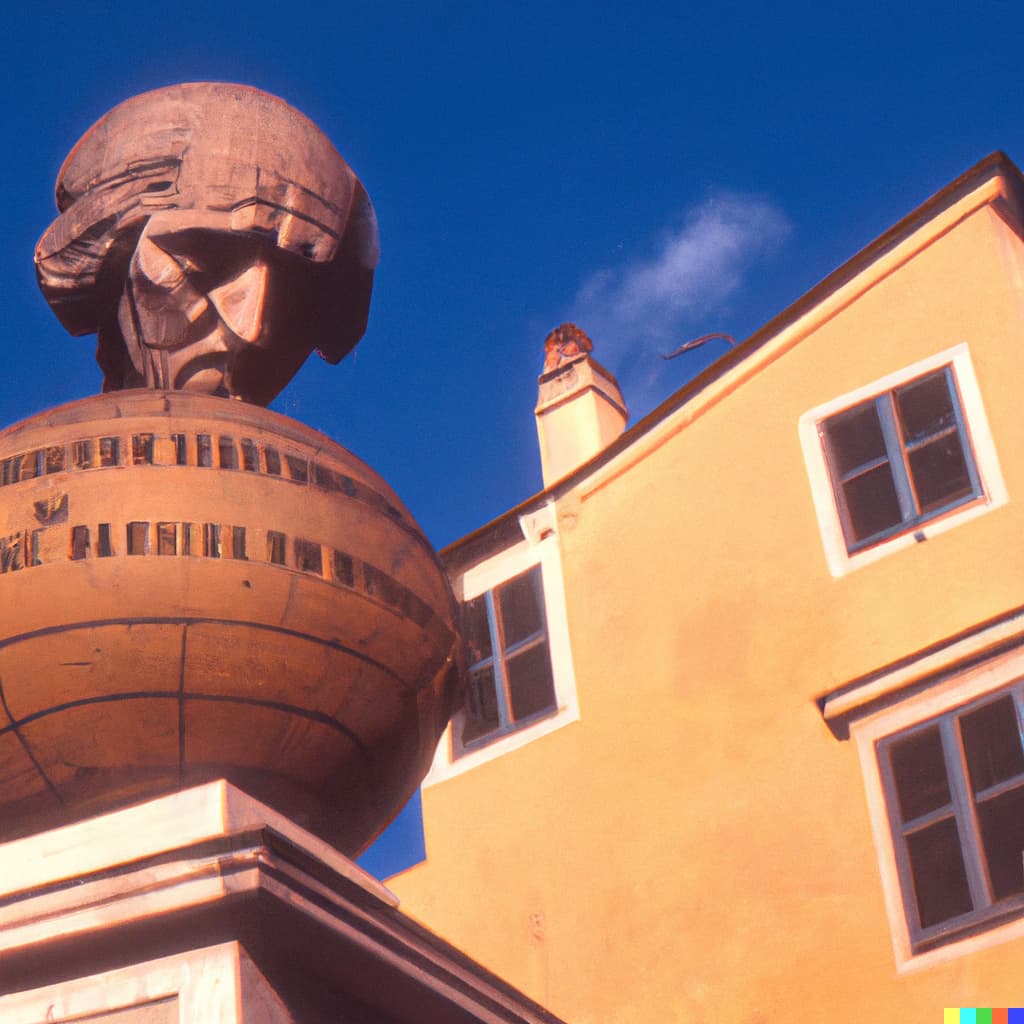
“Giordano Bruno using a memory palace to memorize infinity in the year 1600 at Campo de’ Fiori”
^ Thanks for sharing this prompt Metivier. I think these results help to show what the AI is good at, and not so good at. It’s good at combining things for us. Most obviously NOUNS. For example, in this, I think it’s combined the nouns Giordano Bruno, with memory palace by turning the head into a material (wood) and then PHYSICALLY JOINING it to what looks like a ball memory palace underneath. It’s then put this INTO a setting which is probably Campo de Fiori, from TAGGED TOURIST PHOTOGRAPHS.
I guess this creativity can be useful at points when you can’t think of how to join 2 things. This might help to inspire us in methods, even if we don’t actually use the image itself.
However, what it’s not doing, at this stage, is helping us to draw what we want.
I can see that you probably like to mine the AI for insights. For example, it looks like the AI maybe communicates “memorizing” as looking down, rather than up. But all this might means is that the tagged photos going in tagged with memory related stuff are mostly looking down, or maybe the AI just set it that way due to the inputs given? Or maybe it’s just because the ball is showing infinity and that was already in the scene.
Given what we know about active recall and other aspects of memory science, it’s highly unlikely that having AI generate mnemonic images is going to move the needle for would-be mnemonists.
I’m not sure the limitations have to do with verbs and prepositions only. It appears to me that this software cannot generate anything as such.
Rather, it is lacing together existing images, which we can use to lace together yet other images using Photoshop if we wish.
What I think is fascinating is how these softwares seem to evidence some of the issues in self-referentiality and recursion Hofstadter took such pains to detail decades ago in Gödel Escher Bach.
Not only does recursion seem to stimulate more of itself, but it consistently reveals the recursive nature of things as such.
Bruno intuited all of this very well in his information theory and ruminations on how mnemonics may be a means of experiencing infinity in a very practical way… insofar as our symbols aren’t constantly collapsing inwards on themselves.
My current limitations, are choosing the best images. I have no problem drilling down to a photoreal version of what I am trying to articulate. Promting is a craft, you wont get a one off.
I tend to lean towards realistic circumstances as those memories are more vivid for me, versus worm pajamas. Worm pajamas to me would be pajamas made of worms, and thats easy for ai.
I also have the horrid aphantasia vision, so maybe you can see the worm as real as your childrens face, where I never have the oportunity to see my childs face when I close my eyes.
This ai generation, with or without post processing, will definatley move the bar for me. At least with some specific types of memory techniques. And I have many systems, and 5 years of passion with memory sports.
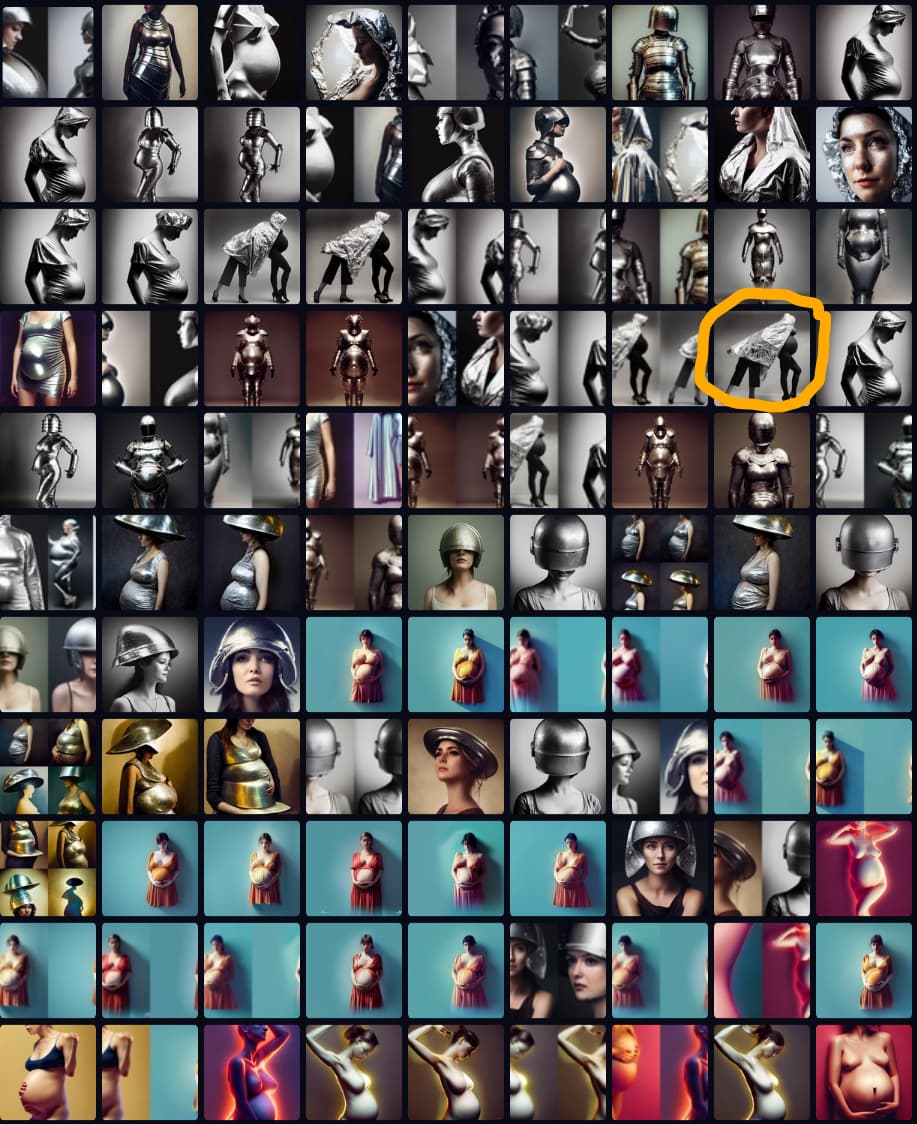
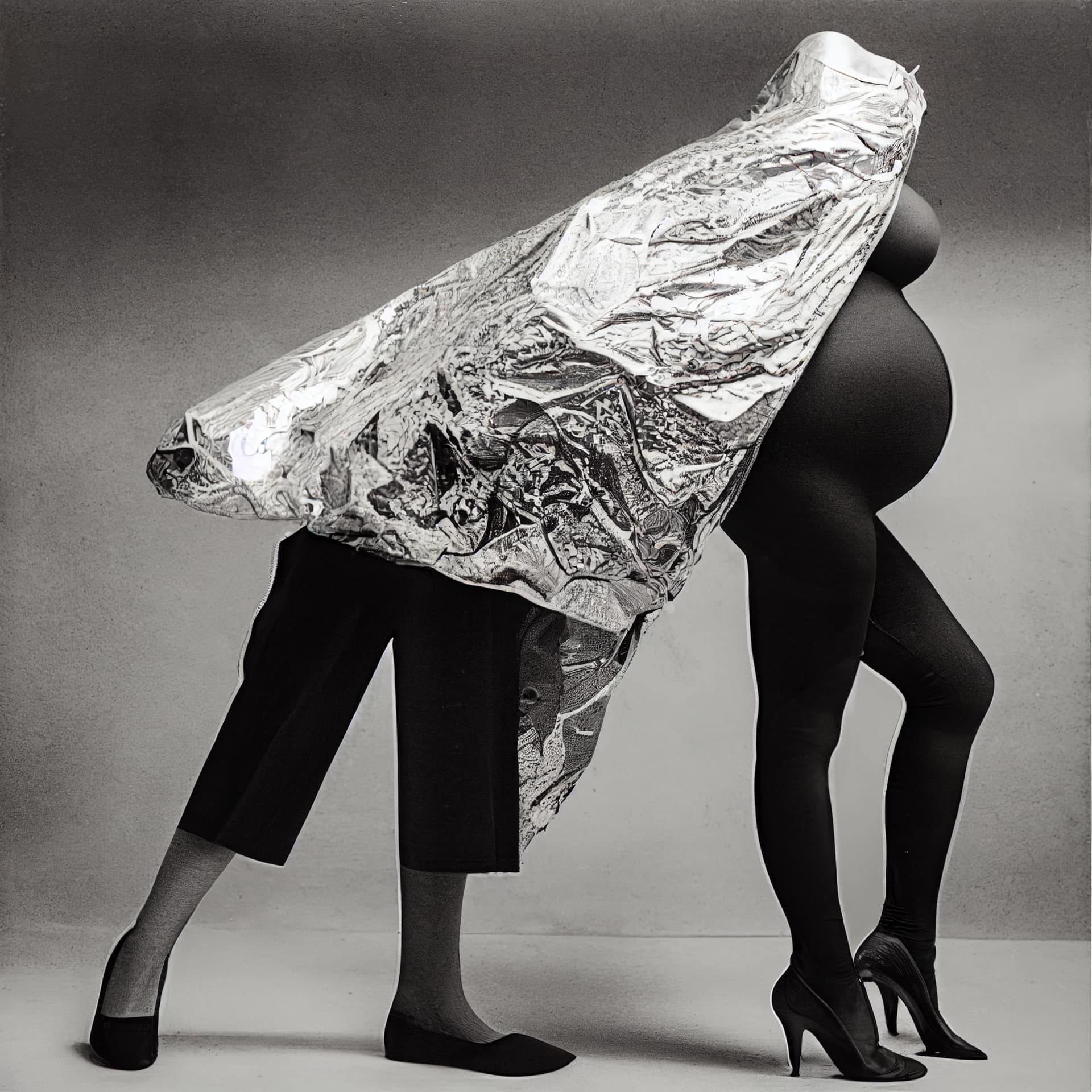
The whole lacing together images simplification doesn’t sit well. It is sort of the way photoshop works, but we are talking about diffusion models, not copy and paste parts off line. It’s in no way a big photoshop. This morning, while working on a deadline, my program was busy, so I churned out some ai online, 150 images of pregnant woman(side profile looks like 13) and she is wearing aluminium foil. A few resinated with me more than others. That is the excitement about AI, it is an idea machine, goes places where you would not have and can inspire with memorable realistic images. Trouble is choosing my favorites. I won’t need to photoshop and photoshop would have take longer. Some people won’t be able to make specific ai images, as it is a craft. Or they try promting something and give up vs learning the ai model.
I was promting a childhood memory of my mother floating in the trees, after she had passed away. She was wearing a long white dress that seemed to wrap every tree in the forest. This was tough for ai to hit the details of my memory, but maybe 20 promts in and 200 images I struck gold. So a great learning process is to make your image, and don’t give up. The lessons learned will help you generate, new ideas and vivid specifics, way faster than photoshop cut and hack.
My paid work is calling, bye.
Its about 7am for me and I churned these out, while working on my paid work.
Not bad. Definately a tool.
Aluminum is the 13th element, and a side profile of a pregnant lady is the shape of 13.
Its like a photo. its weighted well, the contrast between aluminium and and the pregnant woman is amazing. For me, this may forever be 13.
Yeah, my thought is that for our complex memory images we would need to do some things individually and photoshop them together. For example, see if you can just generate a worm wearing pajamas and then photoshop into Trumps hand from another picture.
I hear you, with my image above i hear and feel the tinfoil, also, i can feel the baby kicking. Thats enough for me.
I could do a worm in pajamas, and upload that image, weighted well as an object in trumps hand.
Or like you said, make time for PS.
Woah! That’s a great insight, but think about the system itself. It works on INPUTS, which is the tagging info associated with each image. Some things are tagged better than others. AFAIK, there isn’t much stock photography in the system which is well tagged with spatial information. That is, artists on ArtStation don’t tag their images very well descriptively, because that tagging is a real skill.
Does this lack of tagging skill relate to your statement anyway though?
I found the technical terms for what we probably want here: TEXTUAL INVERSION. With this you can give the system multiple images of the same thing and then give that a label. Then you can take that label and put it into a new CONTEXT. For example, multiple pictures of your own face, tag that with your name #MET and then use that in “#MET standing in a river”, for example.
There is something that helps this process beyond this, but I don’t have a word for it and I didn’t save the thread where I read that
The tools have evolved in a super short period of time. We can train existing ai models to include anything missing. Add faces of friends or ourselves, have them wear anything we want and interact with anything we want. Its a great visual tool.
I am Aphantasia, so making these images and then converting to my type of memory data is very helpful for making a memory.
I thought some crazy ones there would have fun with stable diffusion just as I do, and of course you are!
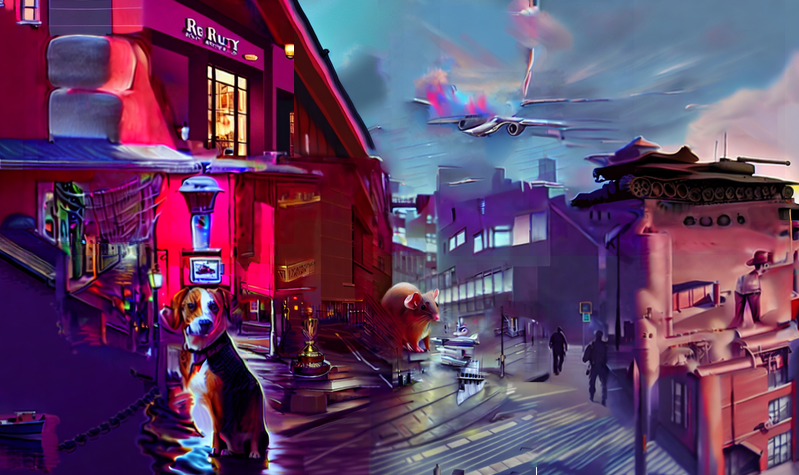
I had plenty of fun using the outpainting feature of stable diffusion to cram multiple images into a single scene.
This was much fun, I am impatient to do it again. But hey, that’s probably impractical for the long term as the activity costs much time, maybe it would cost less with practice. But as I already spend much time on stable diffusion, at least this time it’s for remembering stuff. One thing I noticed is that it takes a bit of time to find a trade off between the images I had in mind, and the images stable diffusion is able to generate. Too many Mickey Mouse attempts went wrong, I finally decided to pick a real mouse instead. It also takes time to use strategically the settings to get the desired outcome. That was a bit frustrating at the beginning.
This is the result of my work this morning, there are like 20 images inside, so that’s not bad. I wonder whether this will stay longer in my memory than classical memory palaces. Maybe I’ll do it often, print the damned paintings, fill a binder with it and show it 20 years later to my grandchild, saying “I did this ■■■■ to remember stuff”, and then continue with “but now I have absolutely no idea what this mess represents”.