unde rogo te, o lector, ne nimium laeteris si multa legeris, sed si multa intellexeris nec tantum intellexeris sed retinere potueris.
The above, from Hugh of St. Victor, is a really good motto for the kind of learning I think we all aspire to. “Don’t be too happy if you read a whole bunch…but rather, if you understand…but uh, well, not so much if you have understood, but really…if you’ve memorized the damn thing.”
–Hugh of St Victor, paraphrased
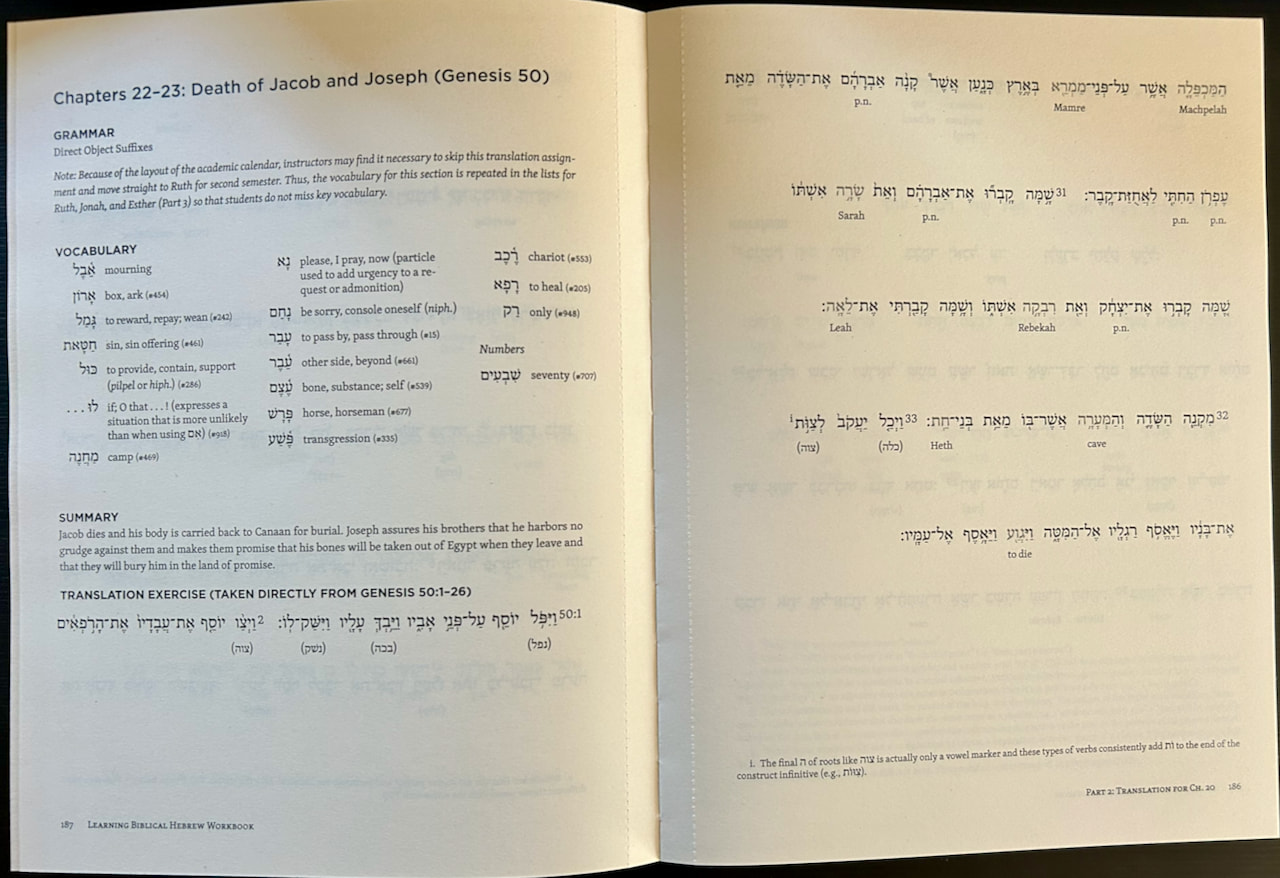
Because I’m converting to Judaism, I’m working on learning Hebrew as my primary mnemonic task, but I’ve also recently added a history memory palace (at least from 1000 BCE to 0), and I aspire to be the sort of person who just has a gigantic memory palace full of all the things he has ever studied.
In the past I have not been convinced of the utility of using memory palaces for language learning, but for Hebrew, which is so different from English, I got frustrated at other exposure-oriented approaches to learning that left me feeling like I really didn’t confidently know anything. I’ve had a lot of success with those massive-exposure styles of language learning for stuff with Latinate alphabets and many cognates, but Hebrew is just a whole other beast.
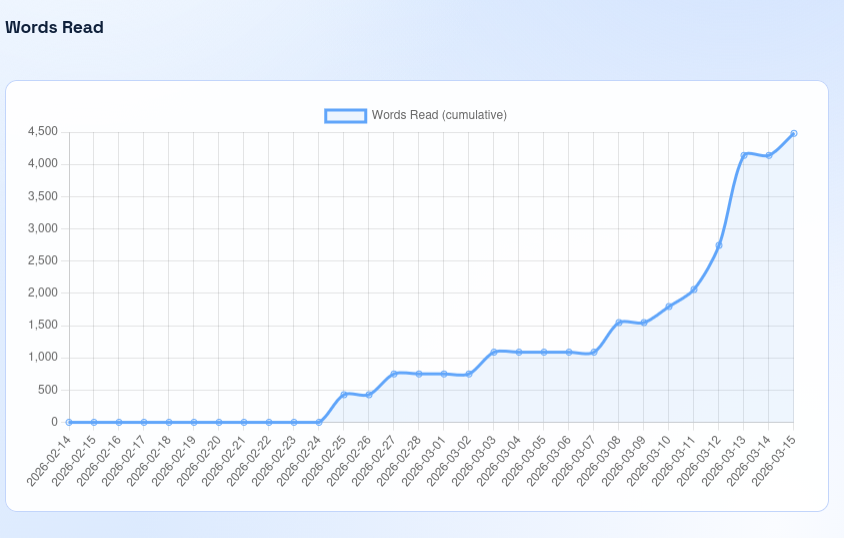
Right now I’ve got probably a 1000-word passive vocabulary and I’ve been adding a locus to a memory palace for every new word I encounter and scheduling reviews of that locus in Anki. So far so good. Probably 200 words added this way, and I feel 100% confident in them – zero fuzziness.
I think of the gold standard for language acquisition as being ten new words a day. I’d like to do twenty because I am a cocky sort of bastard. But this seems to require some more automation that I’ve been able to muster, since I’m old and have a busy professional and familial life. A week ago I put together a big list of a hundred words and a pre-built walk through my town, and that’s made it easy to do twenty new words a day, but…I don’t want to stop for many days, do a bunch of prep, and then start again at 20/day.
The slowest parts are 1) finding the words to add and 2) looking them up. I think this is automatable – I should probably just scan some Hebrew text every day, copy and paste the first 20 confusing words I see into an LLM, and have it spit out a csv file I can edit with locations and stick into anki.
So far this week the words have been from Genesis, but I’d like to learn modern Hebrew too, so I think the next hundred should be from Israeli newspapers or blogs or something.
I’ve also been grinding verb tables in Hebrew for a while since Hebrew verbs are hell. Way harder than Latin. It turns out I don’t have time to copy out tables for an hour a day, so I’ve also just been identifying pain points and encoding those into anki rather than doing the copying. It’s less wholesome but more efficient.