I don’t know… why do we call it a ‘butterfly’? It’s neither a fly made of butter nor a stick of butter that can fly. Maybe we can ask @Josh for a word count across the forum, but I think the terms “memory/mind palace” and “method of loci” are used more commonly (frequently) than ‘Roman room method’.
No worries… French fries are actually from Belgium (not France as the name would suggest). Seeing how the Romans used the ‘Greek method’ it’s neither here nor there… especially, when considering that it’s an English term only and you will not find a ‘römischen Raum’ in German or a ‘stanza romana’ in Italian.
Maybe we should have a separate thread under the title “Is Rom the capital of Italy” where we can discuss what is meant by “the Romans” and “the Greek,” because that would be a little off topic here, but the Holy Roman Empire existed until 1806 and that Julius Cesar place that most people probably think of when they hear Rom covered the entire Mediterranean Sea, including Greece.
Isn’t the burden of proof on you though, when you are trying make it more restrictive? 
Can I suggest you have your research assistant look up information about the “Peripatetic school” under Aristotle around the 4th century BC. I usually don’t like quoting Wikipedia but to save myself all the typing:
The term peripatetic is a transliteration of the ancient Greek word περιπατητικός (peripatētikós), which means “of walking” or “given to walking about”.[1] The Peripatetic school, founded by Aristotle,[2] was actually known simply as the Peripatos.[3] Aristotle’s school came to be so named because of the peripatoi (“walkways”, some covered or with colonnades) of the Lyceum where the members met.[4]
Source: Peripatetic school - Wikipedia
I’d probably rework that a little and compare to ‘memory athletes during competitions’ rather than the method of loci itself. The problem, I guess, is that a lot of literature about this topic over the past 30 years comes from memory competitors and thus the whole approach is a little biased towards that… you can’t really go out and walk through a physical memory palace when memorising a deck of cards… that’s rather impractical, not to mention the time constraints.
Of course if you do have time to walk around, you can even make a YouTube video about it… admittedly, without VR goggle and never having been to the place, you probably need to watch the video twice… and obviously, it’s best to just take it as a practical example and create your own palace with your own imagery afterwards.
However, I doubt that anybody will say that this is not a memory palace only because Alex (the person in the video) is actually walking through the physical space rather that just doing it ‘from memory’.
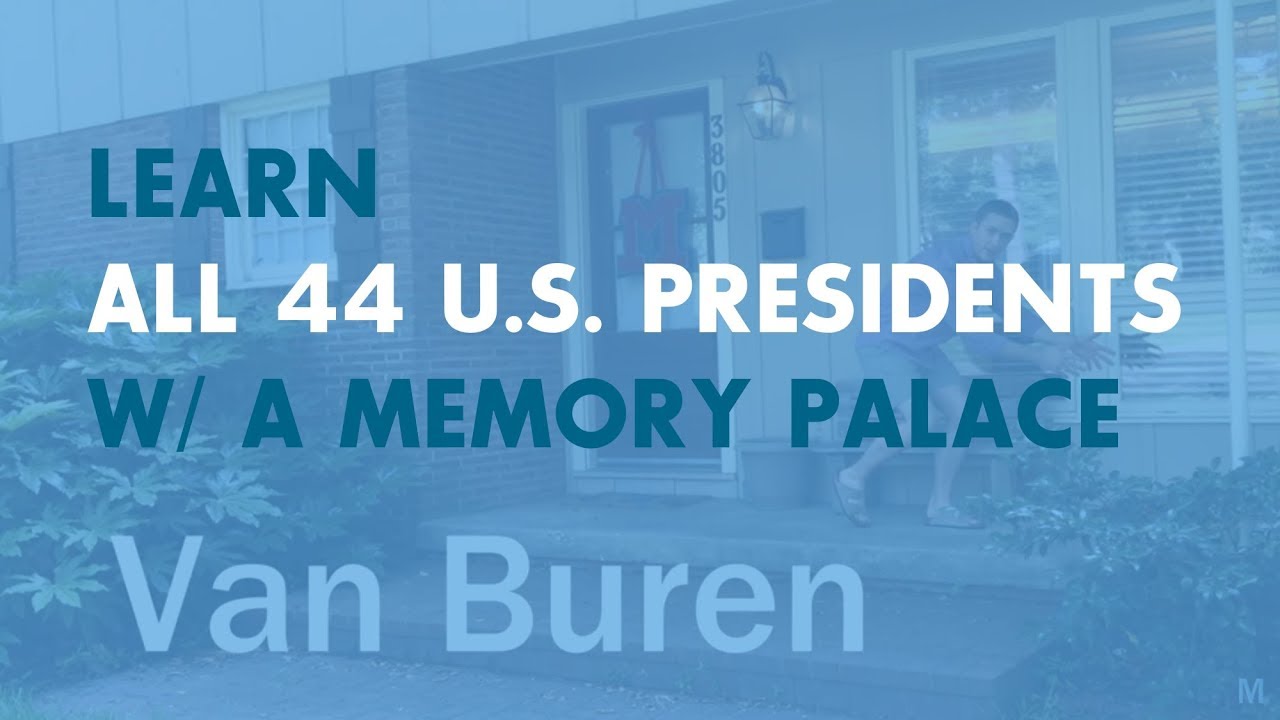
As I pointed out already in the other thread…
So, why did that group have to learn the method on a whiteboard rather than the way it’s done in this video? The childhood home is usually only used to show how strong spacial memory is; afterwards, you’d normally suggest the students use a route from their daily/weekly routine as a memory palace instead.